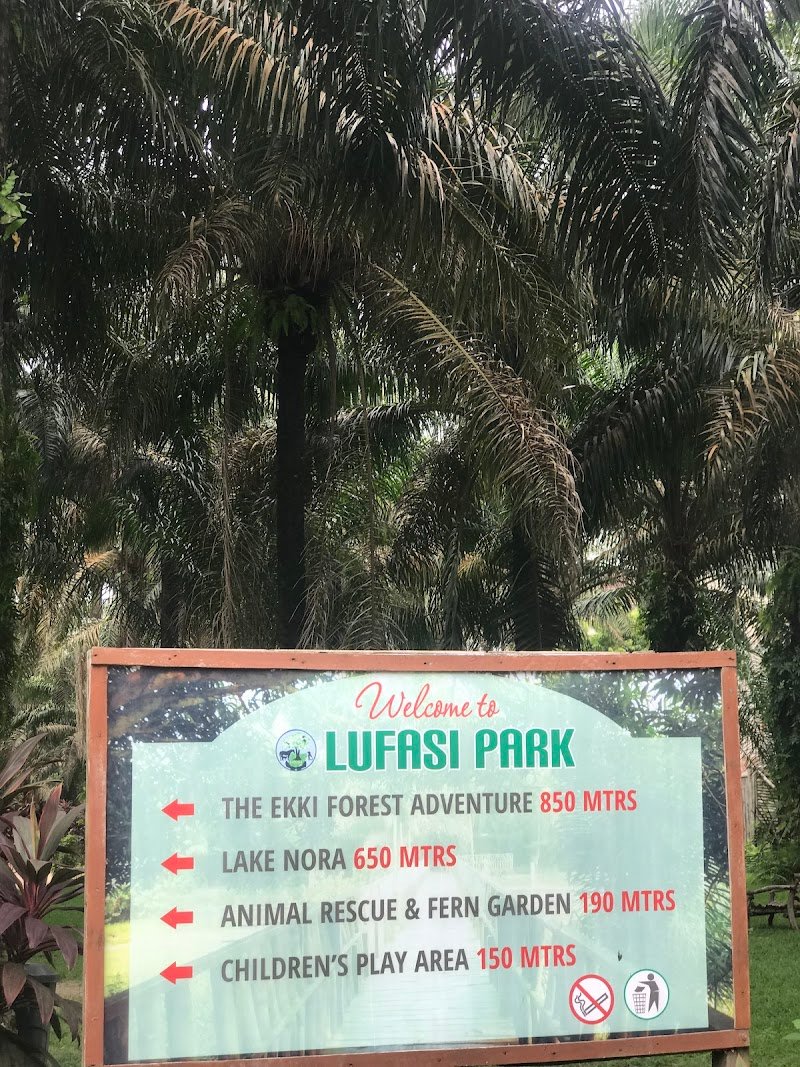
Google Places photo

LUFASI Nature Park Lagos

Lagos, Nigeria
i

Google Places photo

Photo by Adenike Daramola

Green spaces in Lagos often feel like rare treasures, and LUFASI Nature Park stands out as a vibrant escape. Nestled within the Lekki corridor, this park draws visitors who seek peace, learning, and a connection with nature. LUFASI’s mix of native flora, animal encounters, and shaded trails surprises many, offering a fresh breath beyond the city’s concrete rush. Both kids and adults find reasons to linger, from forest walks to watching birdlife or absorbing lessons about local ecology. LUFASI balances playful encounters with education, revealing a quieter, more natural side to urban living on the Lekki axis.

Visiting Info

Currency
Entrance fee
1000 NGN
Hours
Opening hours
Monday: 9:00 AM – 6:00 PM
Tuesday: 9:00 AM – 6:00 PM
Wednesday: 9:00 AM – 6:00 PM
Thursday: 9:00 AM – 6:00 PM
Friday: 9:00 AM – 6:00 PM
Saturday: 9:00 AM – 6:00 PM
Sunday: 12:00 – 6:00 PM

Contact Information

Location
Address
FM73+VR5, Eti-Osa, Lekki 106104, Lagos, Nigeria

Planning your visit

Planning a trip to LUFASI Nature Park rewards those who prepare ahead. While weekends draw families and school groups, the park’s large grounds still leave pockets of quiet for solo explorers or couples. General admissions are managed at the gate, with moderate fees and discounts for children and students. Public buses from Victoria Island, Ikoyi, or Ajah reach LUFASI easily, while e-hailing rides simplify visits for those carrying gear or small children. Most paths are well-kept, but sandy trails require comfortable walking shoes, especially during the wet season. A short drive brings the bustle of Lekki, but inside, time slows and bird calls replace city noise.

  • Best time to visit: Weekday mornings in the dry season (November through March) tend to be less crowded and cooler. Early afternoons can get hot.
  • How to get there: By car, taxi, or bus: take Lekki-Epe Expressway and watch for park signs near Majek Bus Stop, Ajah. Limited on-site parking is available.
  • Accessibility: Kid-friendly and suitable for families with strollers. Elderly visitors should note that some natural trails can be uneven but main paths are mostly level.
  • Average visit duration: Two to three hours covers the core sights and allows some relaxed exploration.

Must see stuff

LUFASI’s grounds blend rescued forest, picnic glades, and small animal sanctuaries. Entry leads to a welcome area with helpful staff who share a detailed map and recent wildlife sightings. Plants native to southwest Nigeria fill the hush of the forest, with signs explaining medicinal uses and conservation efforts. Quiet ponds mirror tall trees, while rare antelope graze in shaded paddocks. Benches and wooden swings beckon on the edge of natural clearings. Some visitors discover little-known art installations halfway down unmarked trails or gather for weekend storytelling festivals under the oldest trees. Each path brings something new, from playful goats to the vibrant calls of weaver birds.

  • Key sights: The rescued Mona monkey enclosure; iconic Ekki tree (a local giant and centerpiece of conservation education); restored wetlands teeming with birdlife.
  • Unique experiences: Guided ecological tours (often led by conservationists), free-roaming donkeys near the picnic area, and kid-friendly adventure playgrounds.
  • Photo-worthy spots: Reflections at Iyabo Lake; ornate footbridge crossing; lush forest corridors alive with butterflies after rain.
  • Cultural/historical facts: LUFASI stands for Lekki Urban Forest and Animal Sanctuary Initiative, a local project to protect endangered forest habitat and teach sustainability to Lagos residents both young and old.

Tips for your visit

Staying comfortable and respectful enhances any visit to LUFASI Nature Park. Early arrivals enjoy the best light for photos and the freshest air. Midday heat encourages a slow pace and extra breaks in shaded zones. Mosquitoes can be plentiful after a rain, so light repellent pays dividends. Picnics are allowed, but littering ruins the natural charm—use the bins provided and avoid single-use plastics. Many staff members enjoy questions about wildlife or conservation work and often share extra insight if given the chance. Children have freedom to explore, but parents should keep an eye near animal enclosures. Gentle wildlife interaction is encouraged, but feeding or startling animals is not.

  • Times to avoid crowds: Avoid public holidays or late Sunday afternoons, when the park fills up fast.
  • What to bring: Water bottles, sunscreens, portable snacks, cameras with charged batteries, sun hats, and sturdy walking shoes.
  • Etiquette: Respect boundary ropes; ask before taking photos of staff or other visitors; never pick plants or feed wild animals.
  • Safety/comfort: Follow designated trails, stay hydrated, and watch younger children near the ponds. Benches and restrooms are scattered throughout the park.

Similar Attractions