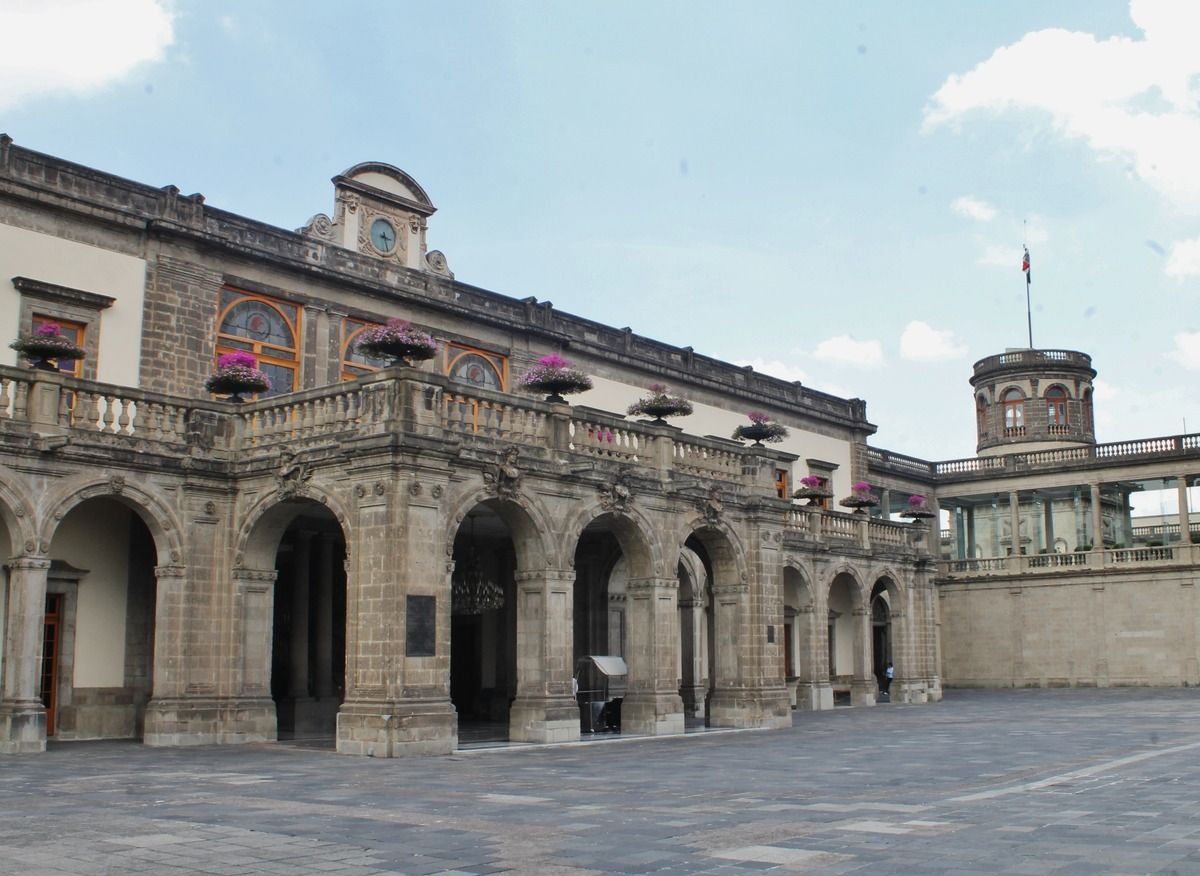
Beautiful view of Museo de Historia Natural

Museo de Historia Natural

Mexico City, Mexico
i

Beautiful view of Museo de Historia Natural

Amid wide green spaces and the hum of weekend laughter, a remarkable dome rises—its white contours hinting at secrets within. Museo de Historia Natural offers far more than fossils and dioramas. This museum sparks curiosity, revealing both Mexico’s deep prehistoric past and the intricate tapestry of life on Earth, all in one inviting place.

Visiting Info

Currency
Entrance fee
32 MXN
Hours
Opening hours
Monday: Closed
Tuesday: 10:00 AM – 5:00 PM
Wednesday: 10:00 AM – 5:00 PM
Thursday: 10:00 AM – 5:00 PM
Friday: 10:00 AM – 5:00 PM
Saturday: 10:00 AM – 5:00 PM
Sunday: 10:00 AM – 5:00 PM

Contact Information

Location
Address
Av. de los Compositores, Bosque de Chapultepec II Secc, Miguel Hidalgo, 11100 Ciudad de México, CDMX, Mexico

Planning your visit

Travelers eager for discovery will find Museo de Historia Natural nestled in Chapultepec Park’s second section, easy to reach yet pleasantly detached from the city center’s bustle. The museum sees its busiest days on weekends and during local school breaks, so timing matters for those who prefer a quieter wander among ancient bones and shimmering minerals. Early mornings, especially midweek, tend to be more peaceful. Exhibits are friendly to children and curated for all ages, though strollers and wheelchairs should expect occasional crowds in narrow halls. Entry is affordable, and tickets are generally available at the door, but popular temporary exhibitions sometimes draw lines outside the entrance dome.

  • Best time to visit: Weekday mornings; spring and fall for mild weather
  • How to get there: Metro Line 7 to Auditorio or Constituyentes, then a short walk or taxi; public buses stop nearby
  • Accessibility: Good overall; ramps, family-friendly facilities, some tight spaces
  • Average visit duration: 1.5 to 3 hours

Must see stuff

Past the ticket gate, domes arranged like a cluster of soap bubbles house galleries brimming with creatures from lost ages and miraculous modern ecosystems. The dinosaur skeletons command the main rotunda, their huge size dwarfing visitors, while immersive dioramas invite closer looks at Mexico’s diverse habitats. Not every highlight receives equal fame—look for the sparkling mineral display tucked in an alcove, or the garden courtyard where native plants attract real-life pollinators. Both young learners and life-long explorers find fascination in interactive zones and hands-on experiments.

  • Key sights or features: Full-size dinosaur skeletons, sabertooth tiger fossils, impressive meteorite collection
  • Unique experiences: Touch tables with fossils and minerals, kid-oriented science labs, seasonal conservatory displays
  • Photo-worthy locations: Dome interior with its translucent light, outdoor sculpture garden, colorful rainforest diorama
  • Cultural or historical facts: The museum first opened in 1964, making it one of Latin America’s earliest public science centers

Tips for your visit

A little planning goes a long way at Museo de Historia Natural. Lines tend to form on weekends and school holidays, so early arrival or a midweek trip will shorten the wait. Bring a refillable water bottle—summer afternoons inside the domes sometimes get warm. Official policy asks guests to avoid flash photography, and local families often pack a picnic for the sprawling park outside, where shaded benches offer a welcome break. Cellular reception dips in some exhibit halls, but museum staff remain quick with friendly directions.

  • Best times to avoid crowds: Midweek mornings, non-holiday periods
  • What to bring: Water bottle, comfortable shoes, camera (no flash), sunhat for park strolls
  • Local etiquette or rules: Use indoor voices, respect barriers, avoid eating in exhibit areas
  • Safety or comfort advice: Keep an eye on younger kids in busy spaces; watch for slippery tiles near entrances after rain

Similar Attractions