Google Places photo

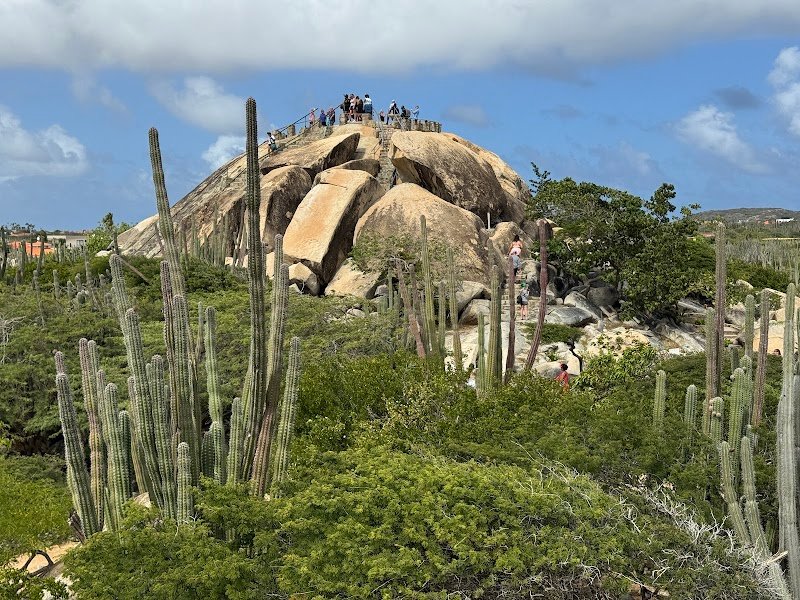
Casibari Rock Formations

Oranjestad, Aruba
i

Google Places photo

Photo by Giant Tiger

Strange shapes rise from Aruba’s warm, sunbaked crust, offering visitors a striking contrast to the island’s beaches. Casibari Rock Formations, a natural labyrinth of boulders, cacti, and narrow passageways, draws the curious to its weathered heights. At this rocky heart, Aruba invites travelers to climb, wander, and imagine how the land formed long before buildings or roads arrived. For those seeking adventure mixed with history, this is where Aruban stories are preserved in stone.

Visiting Info

Currency
Entrance fee
Free
Hours
Opening hours
Monday: Open 24 hours
Tuesday: Open 24 hours
Wednesday: Open 24 hours
Thursday: Open 24 hours
Friday: Open 24 hours
Saturday: Open 24 hours
Sunday: Open 24 hours

Contact Information

Location
Address
G2J3+8CQ, Paradera, Aruba

Planning your visit

A trip to Casibari Rock Formations rewards both spontaneous explorers and travelers who like to prepare. Located inland, north of Hooiberg and a short drive from Oranjestad, Casibari is easy to visit as a morning or afternoon outing. Admission is free, and there are no tickets—just park nearby and start wandering. While early mornings bring softer light and fewer people, midsummer afternoons can feel very hot atop the rocks. Plan for at least an hour to climb and explore the area's nooks.

  • Best time to visit: Early morning or late afternoon for cooler weather and low crowds. Dry season (January to July) feels most comfortable.
  • How to get there: Car rentals offer the most flexibility. Public buses from Oranjestad stop nearby, and taxis are readily available.
  • Accessibility: The main walking paths are uneven and rocky. Families with sturdy shoes fare well, but seniors or anyone with mobility issues may find climbs challenging. However, the lower area near the cafe is accessible to most.
  • Average visit duration: 1-2 hours covers climbing, sightseeing, and a break at the shaded snacks area.

Must see stuff

Casibari Rock Formations feature dramatic, wind-sculpted boulders and panoramic island views. Towering rocks sit piled above a flat, dry landscape. Cacti and bright bougainvillea dot the scene, inviting photographers and nature lovers alike. While much of the fun comes from free exploration, several highlights draw wanderers up and around the formations. Keep an eye out for mysterious petroglyphs—ancient engravings hinting at Aruba’s earliest inhabitants.

  • Climbing the Main Rock: Follow steel railings and narrow stairs up the largest formation for sweeping island views, including glimpses of the coast and Hooiberg in the distance.
  • Exploring the Labyrinth: Wander through stone passageways and tunnels where cacti and birds thrive.
  • Petroglyph Hunt: Spot faint rock carvings by Aruba’s early Caquetio people, who used these rocks for shelter and rituals.
  • Photo Opportunities: Sunrise or sunset casts long, golden light across the rocks—perfect for dramatic photos and memories.
  • Traditional Music Pavilion: Occasionally, local bands perform steel-pan and folk songs under a hut near the parking lot. Step in if the music is playing for a taste of Aruban culture.

Tips for your visit

Although Casibari Rock Formations are welcoming and open, small hurdles come with exploring this rocky landscape. Sun can be intense by midday, and uneven terrain rewards sensible footwear. Water and snacks are sold at a shaded kiosk, but options are limited. Locals appreciate visitors who respect the site’s natural and historical value. Move quietly among the rocks, keep an eye out for birds and shy iguanas, and remember that these stones have sheltered people for centuries.

  • Best times to avoid crowds: Arrive before 10 a.m. or just before sunset, when group tours are rare.
  • What to bring: Carry sturdy shoes, a water bottle, sunhat, and a camera. Sunscreen is essential—even brief climbs feel hot.
  • Local etiquette or rules: Don’t climb outside the marked paths; petroglyphs should never be touched. Noise travels quickly, so keep voices low near others.
  • Safety or comfort advice: The rocks can be slippery after rain. Dress in light clothing and watch for sharp cactus spines along the ground.