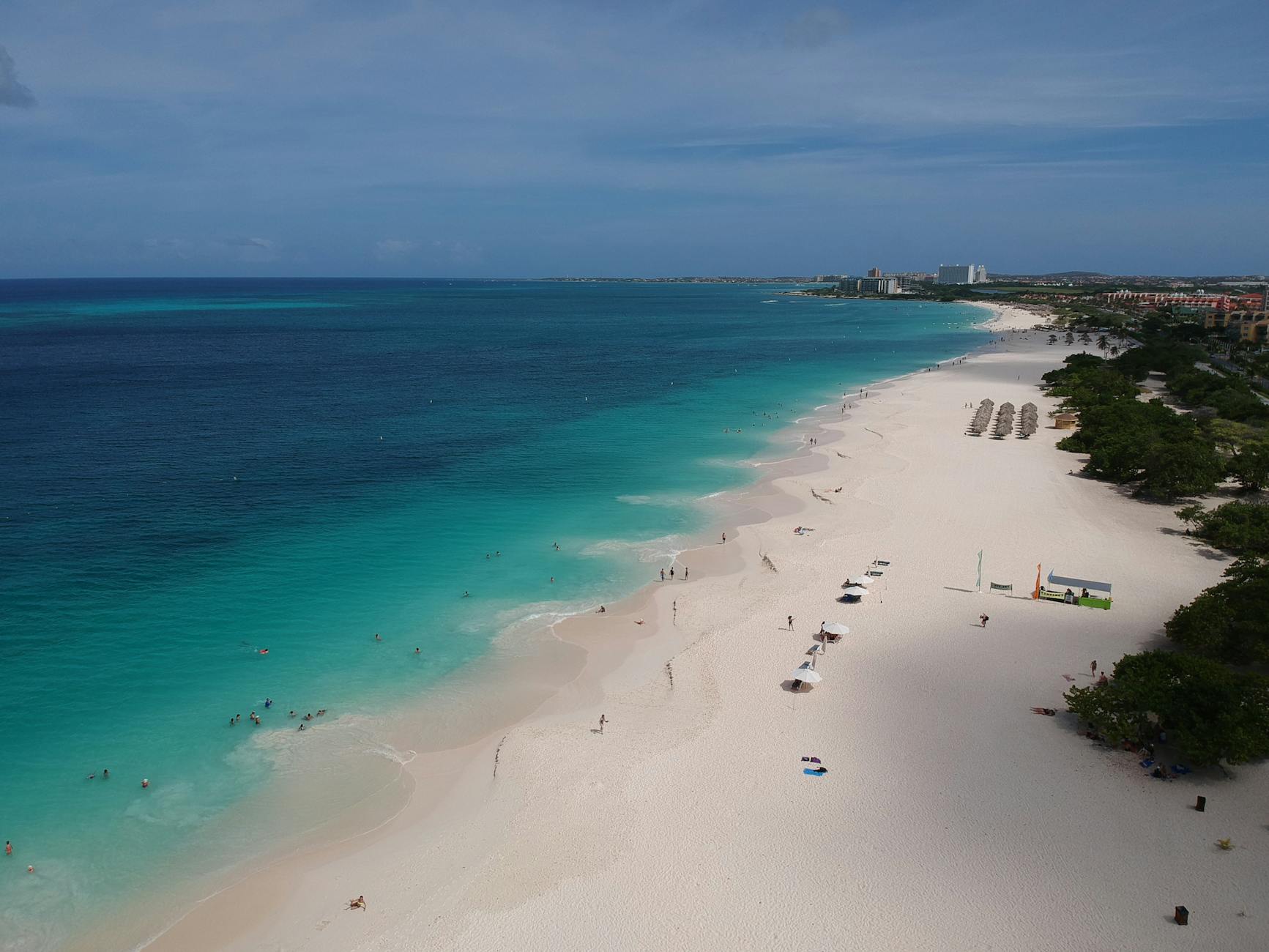
Stunning aerial photograph of a pristine sandy beach in Aruba with clear blue waters.
people walking on the beach during daytime
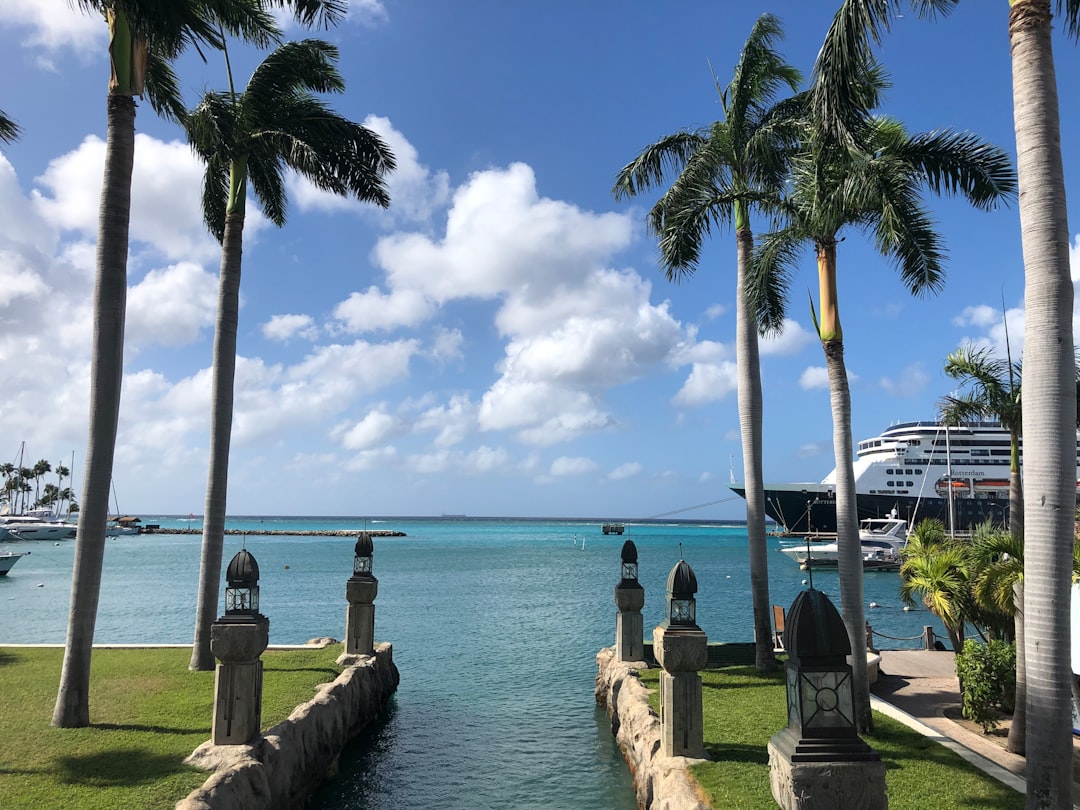
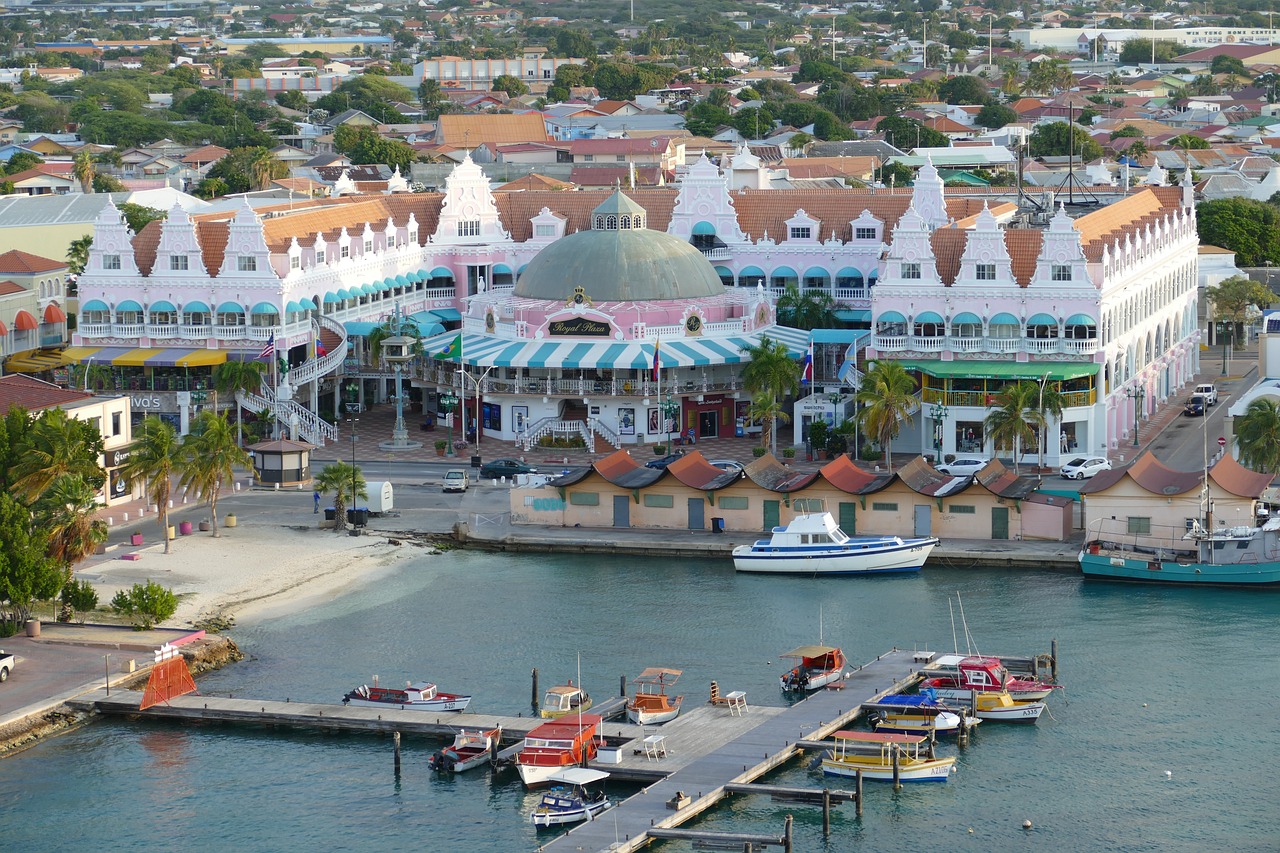
aruba, oranjestad, caribbean, nature, antilles, dutch, netherlands, tourism, cruise, panorama, outlook, city, historical, sea
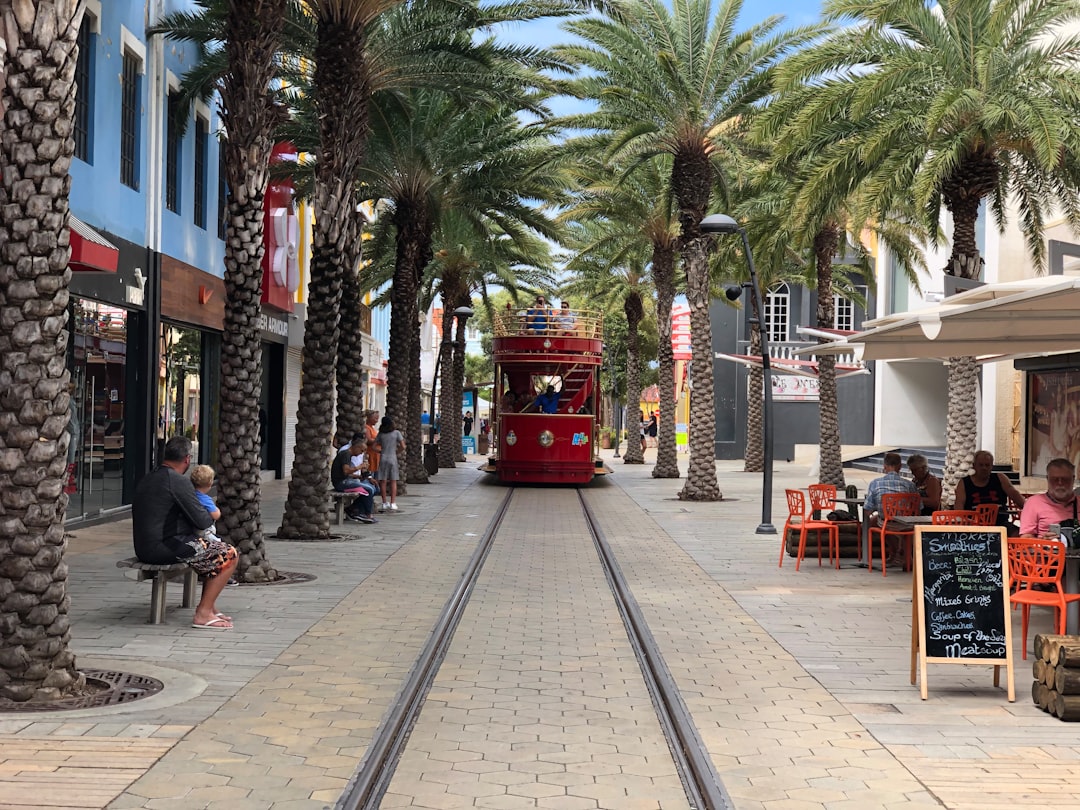
a red trolley car traveling down a street next to palm trees

Oranjestad

Aruba
Art & ArchitectureNatural WondersIconic LandmarksEntertainment & LeisureMarketplace & Shopping
i

Stunning aerial photograph of a pristine sandy beach in Aruba with clear blue waters.

Photo by Leonardo Zunino

Step off the cruise ship in Oranjestad and the air smells like salt and sunscreen. Bright houses line the main street, pastel blues and pinks against a Caribbean sky. Tourists browse markets near the harbour, fingers brushing island jewellery. Beyond the shops, Wilhelmina Park offers shade and the chatter of green parrots. Follow the tram past Dutch façades to find rum bars tucked beside art galleries. Fresh fish sizzles on seaside grills, lime and chilli in every bite. Rent a bike to Eagle Beach, where the sand feels cool at sunset. In San Nicolas, murals splash colour on quiet streets, the island’s history painted in bold strokes. Oranjestad buzzes by day but softens at night, the harbour lights reflected in calm water. Fun, a bit touristy, but with pockets of real island life if you know where to look.

Quick Facts

currency
AWG
languages
Dutch, Papiamento, English, Spanish
airports
Queen Beatrix International Airport
size
Medium City
power
Type A, Type B, Type F
timezone
Atlantic Standard Time (AST, UTC−4)
safety
Very safe
costs
Expensive

General Information

Safety indexOranjestad, the capital of Aruba, is generally considered a very safe destination for tourists with a low crime rate. Petty crimes like pickpocketing can occasionally occur, especially in crowded areas, so standard precautions are advised. Emergency services are efficient, and the city is well-policed.

Best Time to TravelThe best time to visit Oranjestad is from April to August, when the weather is warm, sunny, and relatively dry. Although summer is considered the off-peak season, Aruba lies outside the hurricane belt, making it a year-round destination with little rainfall and pleasant temperatures averaging 28-32°C (82-90°F).

Least crowded and still a good time to visitIf you want to avoid the peak tourist season and still enjoy great weather, plan your trip in May or June. These months see smaller crowds, lower hotel rates, and consistent sunshine, creating an excellent balance between affordability and experience.

BudgetOranjestad can fit different budgets. On average, budget travelers might spend $100–$150 per day (including accommodation in a hostel or budget hotel, street food, and public transport). Mid-range travelers should budget $200–$350 per day, while luxury travelers can expect to pay upwards of $400 per day, especially if staying at high-end resorts or dining in fine restaurants.

Healthcare and VaccinationsHealthcare in Oranjestad is of a high standard. The main hospital, Dr. Horacio E. Oduber Hospital, provides emergency and general medical services. Pharmacies are widely available. No specific vaccinations are required for entering Aruba, but it’s recommended to be up to date with routine vaccines like measles, mumps, rubella, diphtheria, and tetanus. Travel insurance is advised to cover any unexpected medical costs.

Visa RequirementsVisa requirements for Oranjestad (Aruba) depend on your citizenship. Citizens from the US, EU/Schengen countries, Canada, and many South American countries do not need a visa for stays up to 30 days as tourists. Travelers must have a valid passport, proof of return/onward travel, and sufficient funds. Always check the most recent requirements with the Aruba immigration website before travel.

Weather in Oranjestad

°C°F
38100
3392
2983
2475
1966
Jan
Feb
Mar
Apr
May
Jun
Jul
Aug
Sep
Oct
Nov
Dec
3020100
Avg. min. temperature
Avg. max. temperature
Avg. precipitation days

First-time travelers

The Caribbean sun rises over Oranjestad, painting Dutch gables with a citrus glow. You arrive—caught between excitement and the urge to savor everything. The capital of Aruba, this port hums with color and contrast, where pastel houses meet crystalline sea.

Breathe in briny air mingled with baked bread from The Dutch Pancakehouse. Vendors arrange baskets under tamarind trees along the marina, their laughter lifting in warm trade winds. Your senses shift: tropical beats pulse from a café; an iguana reclines on orange-tiled steps outside Fort Zoutman’s silent clock tower.

The Pulse Beneath the Postcards

Main Street (Caya G.F. Betico Croes) buzzes, but veer into Wilhelminastraat. Chef-owned spots like Bistro de Suikertuin dish out creamy keshi yena—aromas of Gouda and spiced beef. At Mercado Centrale, wise locals gather for fried pastechi and fresh papaya juice. Greet them in Papiamento; the smile will last.

  • Walk the morning Malmok Beach sand—sea glass gleams in sunrise gold.
  • Try codfish croquettes at Zeerovers, crafted by hands that know the ocean.
  • Book a sunset tram ride; old Aruba flickers by lamp-lit windowsills.
  • Lose yourself with locals at Saturday’s Carnival parade, feathers swirling, steel drums rolling.

Savoring the Surprises

Let go of the urge to do it all. The best moments sneak up—the scent of aloe drifting from Aruba Aloe Factory, or a stranger’s story told over a shared creole stew. Oranjestad rewards openness, not agendas. You leave with that bright salt tang on your lips and something richer than souvenirs—a new kind of ease. There’s always a reason to return.
Return travelers

The second arrival strips away novelty. Oranjestad’s familiar shoreline greets you—turquoise ribbons, stately palms, soft bustle. But now you’re ready for the city’s quiet corners and deeper stories, where everyday life unfolds beyond the cruise ships and crowds.

This time, mosey through the neighborhood of Cunucu Abao. The pastel facades look sun-faded, windows wide open to let laughter spill out. Old-timers play dominoes under divi-divi trees—a gentle game paced with friendly jeers. Elderly women linger on stoops, offering tales of Aruban weddings and Carnival’s secrets.

Discovering Aruba’s Hidden Rhythm

Skip the beach; start at King’s Palace Asian Food, where locals pick up savory bami and salty-sweet satay—flavors echoing centuries of migration. Swing by the National Archaeological Museum. Here, ceramics and shell necklaces whisper of the Caquetío, Aruba’s first people. In the twilight, step into Plaza Daniel Leo. The pastel facades blush under streetlights. Live jazz tumbles from the Blue Bar. You nurse a Balashi beer; the city hums—slower, private.

  • Order goat stew and cornmeal funchi at Yanti Snack—unpretentious and unforgettable.
  • Browse local crafts at Cosecha, hunting for vibrant dioramas and island-made jewelry.
  • Hike Hooiberg’s stone steps at dawn; the panorama is just for you.
  • Swap stories with artists at Atelier ‘89, Aruba’s creative heart.

Lean Into the Unexpected

Oranjestad reveals new layers with each visit. Don’t chase nostalgia; let routine moments surprise. Scrape knees climbing boulders by Casibari, or join evening dominoes at a corner bodega. Old attractions become fresh discoveries. Returning deepens your bond—subtle, sun-warmed. An invitation to become—just for a while—a local yourself.

Must-see locations

Eagle Beach

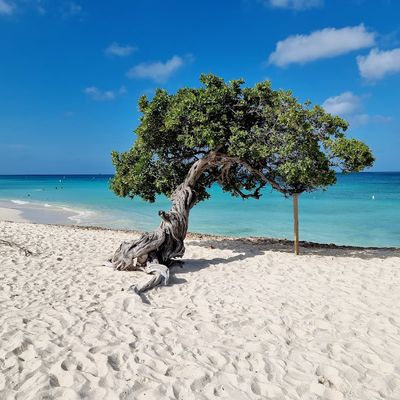
Soft white sand and turquoise water make Eagle Beach near Oranjestad a top Aruba spot for swimming, sunbathing, and spotting sea turtles. Divi-divi trees lean beside calm surf. Nearby, local shops and food stands share lively Caribbean flavors.

Learn More
Google Places photo
i

Google Places photo

Photo by Giant Tiger

Casibari Rock Formations

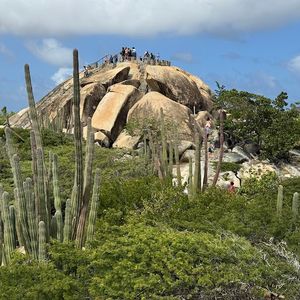
Massive quartzite boulders rise from Aruba’s desert landscape at Casibari Rock Formations, offering sweeping island views from winding steps and trails. Visitors climb ancient rocks, explore mysterious caves, and spot Arawak rock paintings.

Learn More
Google Places photo
i

Google Places photo

Photo by Maritza Álava

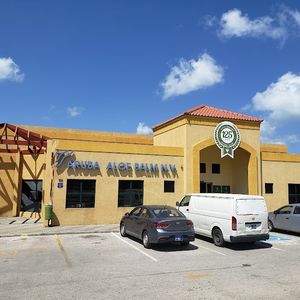
Aruba Aloe Factory Museum and Store

At Aruba Aloe Factory Museum and Store in Oranjestad, visitors can see century-old aloe fields and watch workers craft natural skin products. Touch fresh aloe, tour the old machinery, and learn how aloe shaped Aruba’s heritage.

Learn More

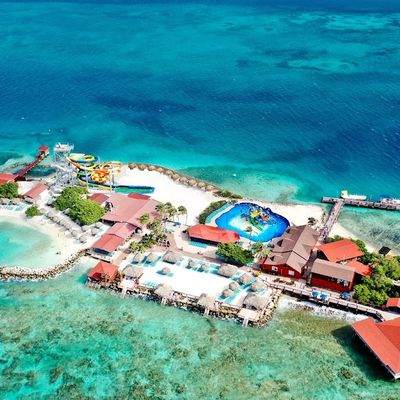
De Palm Island

Bright blue waters surround De Palm Island, a private escape near Oranjestad featuring all-inclusive snorkeling, water parks, and colorful Caribbean flamingo encounters. Local cuisine, lively music, and sandy beaches set the scene.

Learn More

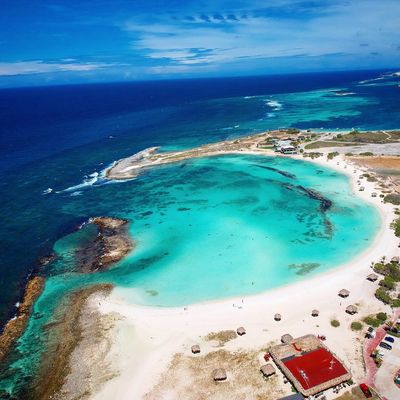
Baby Beach

Curved like a shallow lagoon, Baby Beach in Oranjestad draws families with crystal-clear water and soft sand perfect for swimming. Calm waves invite snorkeling, while nearby food stands share local snacks. Caribbean breeze. Relaxation, right here.

Learn More

How to get there

By air

The most common way to reach Oranjestad, Aruba, is by flying into Queen Beatrix International Airport (AUA), located a few kilometers from the city center. Many international airlines offer direct flights from North America, South America, and Europe.
Options to get to town:
Taxi
Price:
approx. $21–$25 USD
Duration:
10–15 minutes
Where to buy:
Directly from the taxi rank outside the airport terminal
Airport bus
Price:
approx. $2.60 USD (4.50 AWG)
Duration:
15–20 minutes
Where to buy:
Tickets purchased on board of Arubus (local public bus)
Train/shuttle
Price:
Hotel shuttles may be complimentary or range $5–$10 USD
Duration:
10–20 minutes
Where to buy:
Arranged via hotel desk or in advance with your accommodation

By train

There is no passenger rail service on Aruba and no train connections to Oranjestad.
Useful websites for train tickets:

    By car

    You can rent a car at Queen Beatrix International Airport or in Oranjestad. Driving is on the right, and roads are well marked. Car rental agencies are widely available. No tolls are charged on Aruban roads.
    Additional charges to be aware of:
    Toll / vignette / emission sticker
    Cost:
    None
    How to pay:
    N/A
    Other driving costs
    Cost:
    Rental car prices typically start at $35 USD/day; gasoline is about $1.20 USD/liter
    How to pay:
    Major rental agencies at the airport and in town; gas stations throughout the island

    How to get around

    Public transport

    Public buses operated by Arubus are the main form of public transport in Oranjestad and across Aruba. The central bus station is centrally located downtown, making it easy to access different parts of the island, including beaches and hotels. Buses generally run from early morning until late evening, and service is reliable but less frequent at night.

    Ticket options:
    Ticket TypePriceWhere to buy
    Single ticketApprox. USD $2.60 (one-way)At the Oranjestad bus station or onboard the bus (cash only)
    Day passApprox. USD $10 (unlimited rides for one day)Oranjestad bus station

    Taxis & ridesharing

    Taxis are plentiful and have set rates for most destinations—there are no meters. Taxis can be hailed at stands, called by phone, or arranged via hotels. Ridesharing apps like Uber and Lyft do not currently operate in Aruba.

    Service providers:
    ProviderPriceHow to book
    Local taxiVaries by destination; for example, about USD $18 from airport to downtownTaxi stands, phone call, or via hotel concierge
    Ridesharing appN/ANot available in Oranjestad

    Car rental

    Car rental is very popular for exploring Oranjestad and the rest of the island at your own pace. Several international and local agencies operate downtown and at the airport, offering a variety of vehicles.

    Rental options:
    ServicePriceHow to book
    Daily rentalStarting from USD $35–$50 per dayAt the airport, car rental offices in Oranjestad, or via hotel desks
    Weekly rentalStarting from USD $210–$300 per weekAt the airport, car rental offices in Oranjestad, or via hotel desks

    Bike & scooter rental

    Bike and scooter rentals are a great way to get around Oranjestad, especially for short trips and exploring the city’s beachfront and downtown. Several shops rent regular bicycles, e-bikes, and scooters for a few hours or by the day.

    Rental options:
    ServicePriceHow to book
    Bike rentalApprox. USD $15–$20 per dayLocal bike shops or rental kiosks in Oranjestad
    Scooter rentalApprox. USD $35–$50 per dayLocal scooter rental shops in Oranjestad

    What to eat

    Oranjestad wakes you up with the scent of fried fish and baking sweet bread drifting over turquoise waves. As the sun glances off colorful Dutch facades, open-air cafés fill with clatter, laughter, and a swirl of Caribbean spices. You can walk a single block and pass Venezuelan arepas, Dutch pancakes, and Aruban pastechi—each stall brimming with families proud of their flavor. Every plate here narrates the city’s immigrant soul. And if you listen close, you’ll hear home-cooked stories in every bite.

    Signature Dishes

    • Keshi Yena – Spiced meat, raisins, and olives baked inside a Gouda shell. Dutch-African-Curaçao roots, pure comfort.
    • Pastechi – Golden crescents filled with Gouda, ham, or seasoned chicken. Ideal for breakfast or late-morning cravings.
    • Stoba – Hearty beef or goat stew, slow-cooked with vegetables and local spices. Often paired with plantain, soul-warming on a hot day.
    • Fresh Red Snapper – Line-caught, grilled perfectly, served with simply dressed salad and funchi (cornmeal mush). A staple along the harborfront.

    Street Food & Markets

    In the middle of town, Oranjestad’s morning market sways with buzzing scooters, gossip, and fresh catch. Look for the nutty, crusty pan bati flatbreads slathered with butter at stalls by the water’s edge. Follow the scent to an arepa di pampuna stand, where pumpkin pancakes sizzle. Fish shacks beside the marina serve spicy fried snapper from sunrise—locals line up early. If you get there before the crowds, claim a seat at the Old Fisherman for a bowl of hearty stoba or a flaky empanada. Don’t shy away from food trucks—try grilled skewers or coconut water served from the shell.

    Sweet Treats & Drinks

    For something sweet, try bolo di cashupete—cashew cake laced with rum and gooey meringue. You’ll see plates of coconut-topped cocada at coffee counters in the afternoon. To sip like a local, order ponche crema (eggnog with spice) or a cool glass of awa di lamunchi—limeade, bracing and bright on humid days. Plenty of bars pour Balashi, the Aruba-brewed lager, at sunset.

    Why Travelers Eat Here

    • Mix of Dutch, Latin, and Caribbean flavors invents something new with every meal.
    • Freshest seafood off bright-blue fishing boats, served meters from the sea.
    • Street food and family-run cafés deliver home cooking with zero pretension.
    • Desserts, breads, and local drinks capture the island’s vibrant, multicultural spirit.

    Eating in Oranjestad, taste the island’s crossroads history—tart, sweet, bold, and joyful. This city promises food full of stories. Each meal, another postcard memory.

    Top Rated Restaurants

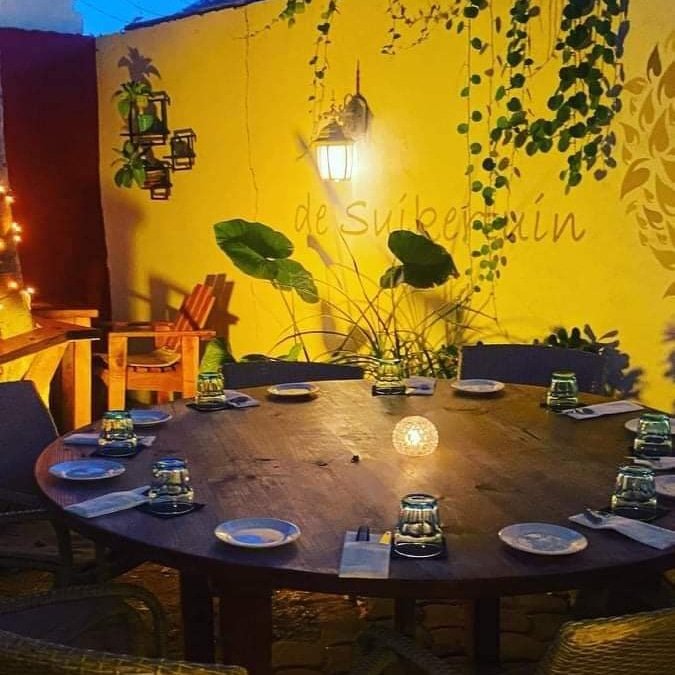
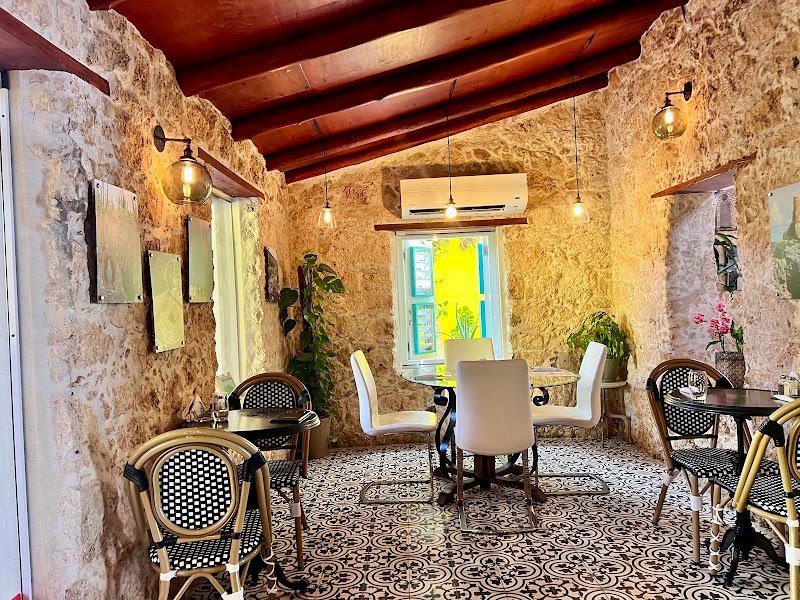
    City Garden Bistro de Suikertuin

    City Garden Bistro de Suikertuin

    4.7 (643 reviews)
    $$
    LocationWilhelminastraat 64, Oranjestad, Aruba
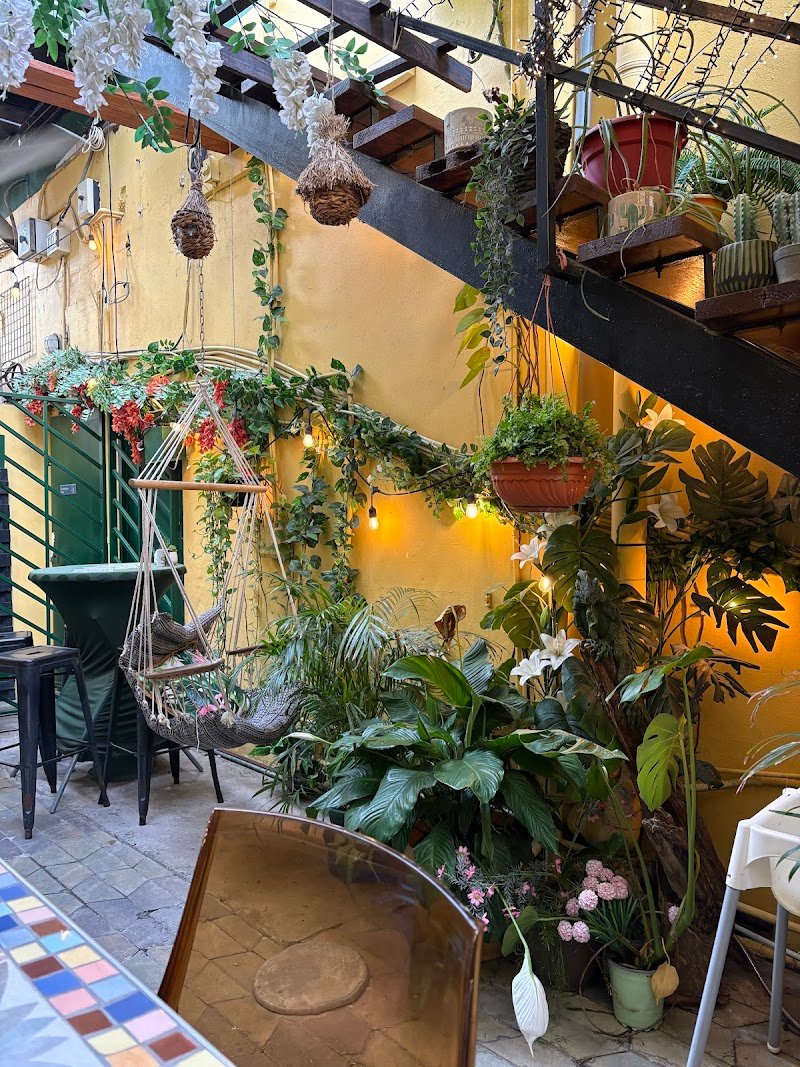
    Aruba Experience Café - Pâtisserie

    Aruba Experience Café - Pâtisserie

    4.7 (672 reviews)
    $$
    LocationJohn G. Emanstraat 37, Oranjestad, Aruba
    Dushi Delicious Breakfast Cafe

    Dushi Delicious Breakfast Cafe

    4.7 (351 reviews)
    LocationCaya G. F. Betico Croes 8, Oranjestad, Aruba
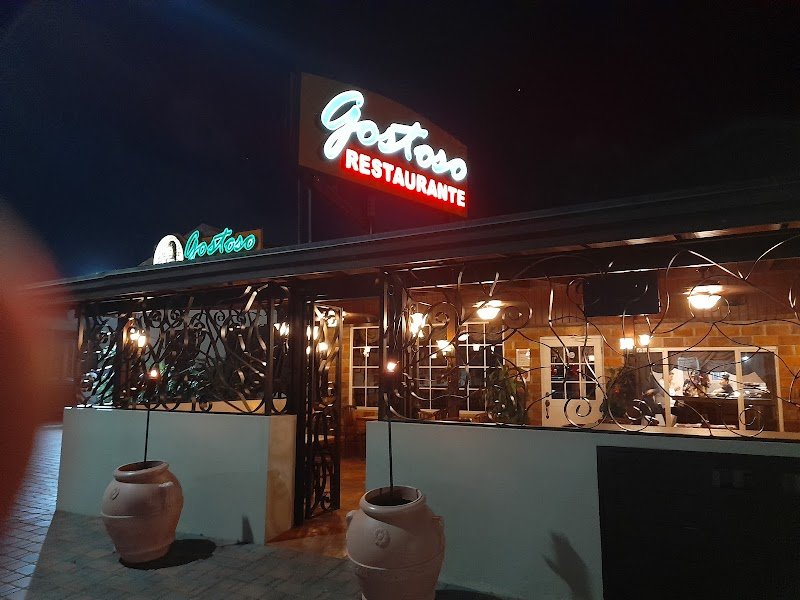
    Gostoso Restaurant

    Gostoso Restaurant

    4.7 (630 reviews)
    $$
    LocationCaya Ing. Roland H. Lacle 12, Oranjestad, Aruba
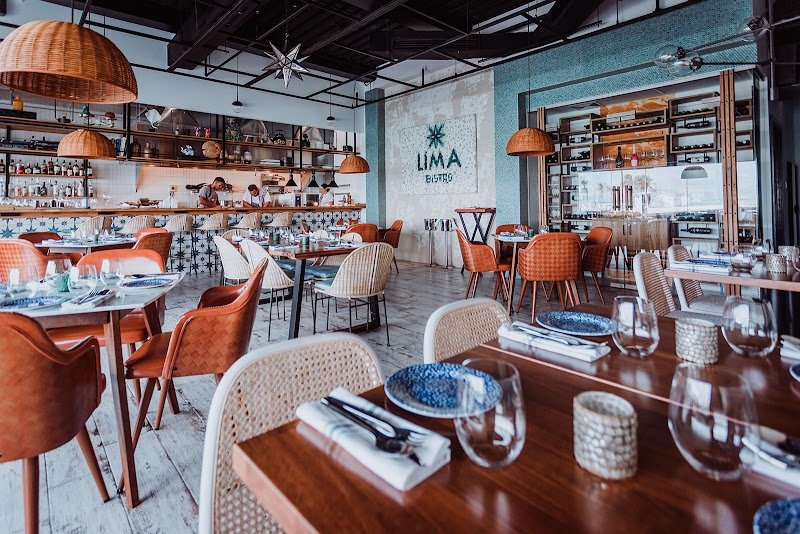
    Lima Bistro

    Lima Bistro

    4.7 (859 reviews)
    LocationHarbour House Aruba, Weststraat 2, Oranjestad, Aruba

    Accommodations

    People come to Aruba craving blue water and soft sand, but finding your place in Oranjestad matters just as much. A night feels different if you can hear waves, or if night markets call from down the lane. Your choice shapes your trip. Stay in the buzz or by the breeze. In Oranjestad, neighborhoods carry real flavors. Picking the right one helps ensure your island dream fits your rhythm.

    Neighborhood Overview

    • Downtown Oranjestad: This busy core feels lively and colorful. Sugar-cube buildings line the waterfront, shops and eateries glow after dark. Couples and night owls walk everywhere, but car traffic and cruise crowds can overwhelm mornings.
    • Punta Brabo: Just west, this upscale pocket settles on the edge of white beaches and high-rise hotels. Travelers craving smooth service, spa days, and sea breezes find space to breathe. Families like the calm beaches, while golfers reach Tierra del Sol in minutes.
    • Tarabana and Caya Betico Croes: Locals fill these main drag areas a few minutes from the center. Here, smaller apartments sit near pan bakeries, gyms, and phone shops. Prices drop, but nightlife fades early. Solo travelers and digital nomads enjoy cafés and friendly, low-key neighbors.
    • Wilhelminastraat: This leafy street, east of Main Street, feels quiet, residential, and safe. Restored cottages become cozy guesthouses or boutique inns. Couples chasing peace—or anyone after restful sleep—feel at home here, still just steps from culture and food.
    • L.G. Smith Boulevard Strip: Big resorts and casinos hug the coast between downtown and Eagle Beach. Here, waves roll up to glamorous pools. Travelers that want all-in leisure—water sports, buffets, kids' clubs—never need to leave the grounds. But it can feel touristy and less "Aruban" than other spots.

    Types of Accommodation

    • Resort Hotels: Renaissance Wind Creek and Aruba Marriott offer full amenities with stylish pools and on-site dining. Nightly rates average $220–$480.
    • Boutique Inns & Guesthouses: Wonders Boutique Hotel and Solar Villa suit couples or solo travelers. Expect $90–$170 per night. Personal service and local touches abound.
    • Vacation Rentals & Apartments: Centrally located studios or family condos (like Oranjestad Suites) cost $65–$140. These offer kitchens and space for groups, but book fast in high season.

    Insider Tips for Booking

    Reserve early for stays around Carnival or Christmas—rooms sell out fast. Peak season spikes prices by 30%, while September softens rates. Most lodgings add a 12.5% local tax and a service fee, so check the fine print before confirming.

    Stepping outside at sunrise, street vendors open shutters and waves lap near the pier. Oranjestad wakes with the scent of sweet bread and salt. Whoever you are—a sun-seeker, a foodie, or a night wanderer—you can settle in and savor Aruba, finding your own pocket of the city’s charm.