Google Places photo

Indigenous Eyes Ecological Reserve

Punta Cana, Dominican Republic
i

Google Places photo

Photo by Juraj Sasko

Hidden just beyond Punta Cana’s beach resorts, the Indigenous Eyes Ecological Reserve unfolds like a pocket of wildness. Forested trails, clear lagoons, and cool shade offer escape from the busier coast. Here, the sounds of birds replace party music and palm-thatch cabanas line clear freshwater springs. Conservation, education, and natural beauty come together in these 1,500 protected acres, creating a place where visitors can slow down, reconnect, and learn something meaningful about the Dominican Republic’s native landscape.

Visiting Info

Currency
Entrance fee
50 USD
Hours
Opening hours
Monday: 9:00 AM – 4:30 PM
Tuesday: 9:00 AM – 4:30 PM
Wednesday: 9:00 AM – 4:30 PM
Thursday: 9:00 AM – 4:30 PM
Friday: 9:00 AM – 4:30 PM
Saturday: 9:00 AM – 4:30 PM
Sunday: 9:00 AM – 4:30 PM

Contact Information

Location
Address
Punta Cana 23000, Dominican Republic

Planning your visit

Good planning makes a trip to the Indigenous Eyes Ecological Reserve smooth and rewarding. The site sits on private land managed by the Punta Cana Ecological Foundation. Access is controlled, which helps protect the area’s fragile habitats. While the reserve welcomes respectful visitors, crowds can build up during mid-morning and early afternoon. Advance tickets can help, and visiting earlier or later in the day means more chances to spot wildlife and enjoy a quieter walk.

  • Best time to visit: Early morning or late afternoon for cooler air, fewer people, and active wildlife. The dry season (December–April) is most comfortable.
  • How to get there: Most visitors use taxis or hotel shuttles. The reserve sits about 10–15 minutes’ drive from main Punta Cana resorts. Some tours offer group transportation.
  • Accessibility: Flat trails work well for families and people with limited mobility, but some roots and sandy paths can be tricky for strollers or wheelchairs.
  • Average visit duration: Plan for two to three hours to enjoy the main lagoons and a slow walk through the forest.

Must see stuff

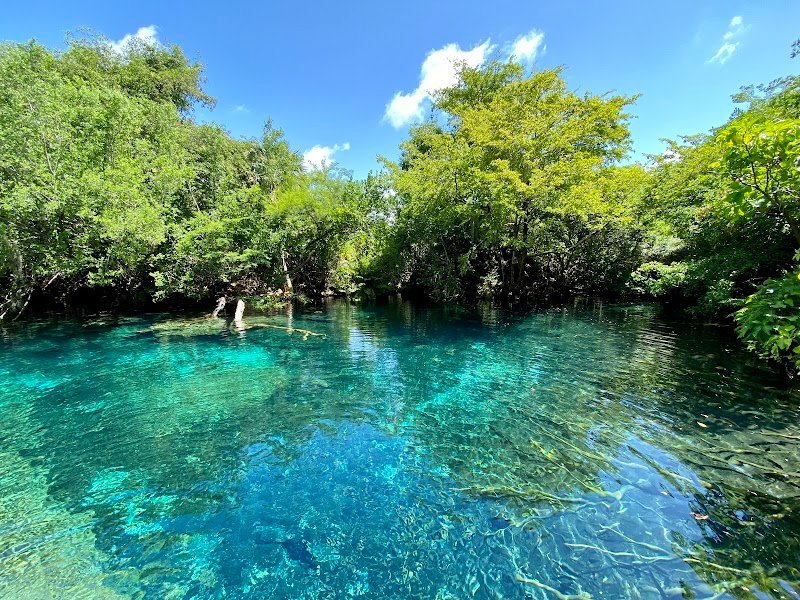
The real magic lies just beyond the welcome center. Twelve clear freshwater lagoons, called “ojos” (eyes) for their deep blue color, form the heart of the reserve. These pools, fed by underground rivers, feel cool and refreshing on a hot Caribbean day. Footpaths wind through a tangle of native trees where lizards, butterflies, and up to 80 bird species make their home. A small sugarcane exhibit and iguana habitat offer glimpses of Dominican ecology beyond the beaches.

  • Laguna Guama: The most famous lagoon, perfect for swimming and photos. Steep wooden steps lead down to the water’s edge.
  • Laguna Yauya and Lagoon La Felipa: Lesser-known pools where silence and birdsong rule. Some lagoons allow swimming, others remain untouched for research.
  • Circular nature trail: This loop offers canopy shade, interpretive signs, and a chance to spot cigua palmera birds or bright-green anole lizards.
  • Habitat for Rhinoceros iguanas: A protected enclosure near the trails showcases one of Hispaniola’s rare native reptiles.
  • Photo spots: Walkways lined with arching trees, lagoons reflecting sky, and rustic wooden docks make perfect backdrops.
  • Historical note: The reserve’s “Indigenous Eyes” name honors both Taino heritage and the freshwater lens that supports this ancient landscape.

Tips for your visit

A few local secrets help make the most of a day in the shade of the Indigenous Eyes. The forest shelters plenty of mosquitoes, especially after a rain. Some lagoons are chilly and deeper than they look. While staff provide guidance, snacks and drinks are not sold inside—pack smartly or plan to picnic outside the main gate. Respectful behavior—quiet voices, no music, and no removal of plants or animals—helps preserve the peace and the future of this unique reserve.

  • Best times to avoid crowds: Arrive at opening or after 3 p.m., especially on weekends.
  • What to bring: Water, insect repellent, sunblock, swimsuit, towel, and walking shoes with good tread.
  • Local etiquette: Swimming is only allowed in designated lagoons. No loud music, littering, or collecting plants.
  • Safety and comfort: Watch for slippery roots and steps. Avoid lagoons if heavy rain causes strong currents. Limited cell reception—plan ahead for communication.

Similar Attractions

Indigenous Eyes Ecological Reserve – Tickets, Hours & Visitor Guide