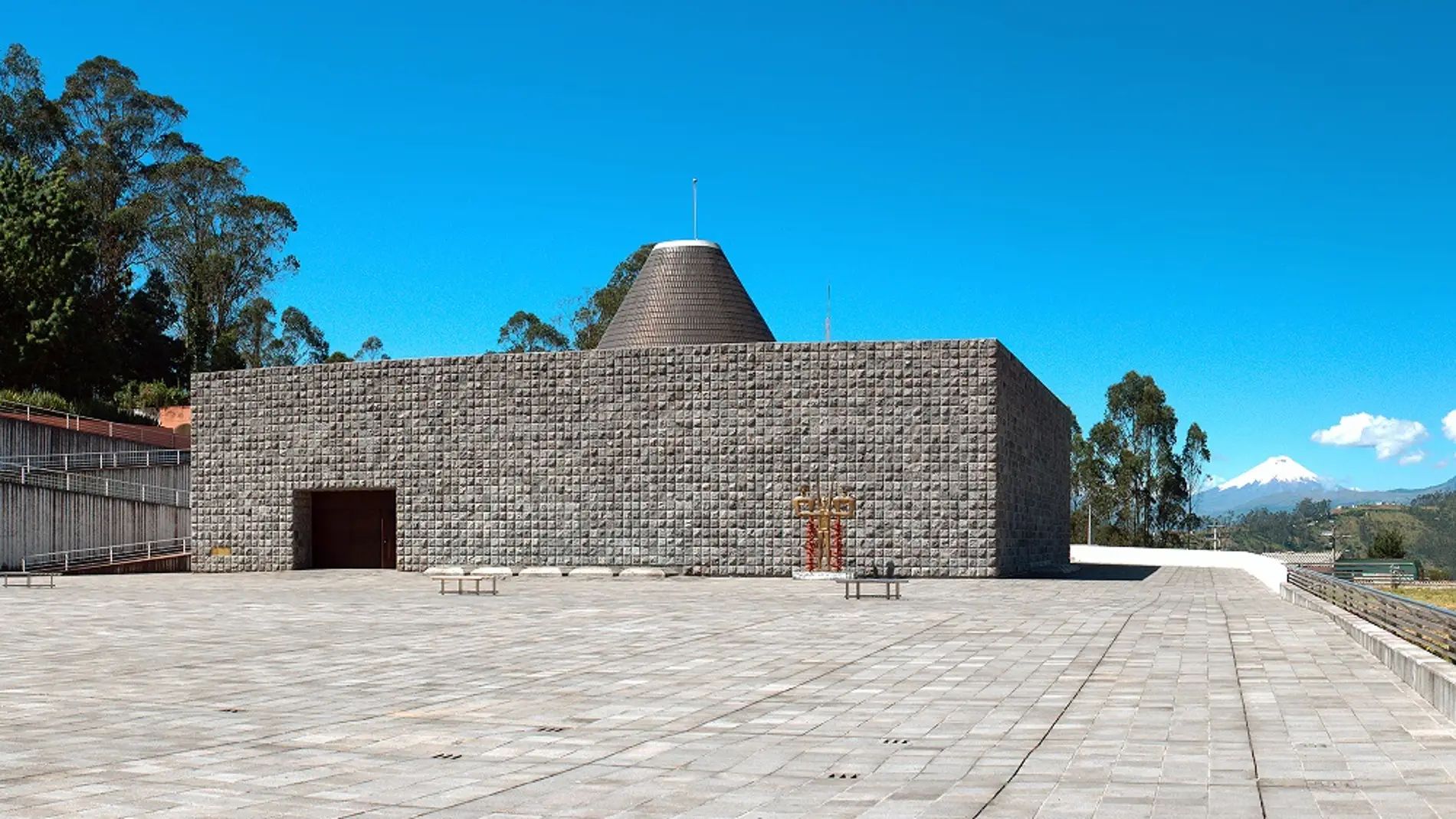
Beautiful view of Capilla del Hombre

Capilla del Hombre

Quito, Ecuador
i

Beautiful view of Capilla del Hombre

High on a green slope above Quito, Capilla del Hombre rises with intent. Those who come find much more than walls or paintings—they walk into the soul of a continent. Here, sharp Andean air mixes with colors, stone, and the whispered stories of a hundred years. Art, memory, and spirit meet in one place, offering a glimpse beyond the surface of Ecuador and Latin America.

Visiting Info

Currency
Entrance fee
10 USD
Hours
Opening hours
Monday: 9:30 AM – 4:45 PM
Tuesday: 9:30 AM – 4:45 PM
Wednesday: 9:30 AM – 4:45 PM
Thursday: 9:30 AM – 4:45 PM
Friday: 9:30 AM – 4:45 PM
Saturday: 9:30 AM – 4:45 PM
Sunday: Closed

Contact Information

Location
Address
Mariano Calvache E18-94 y, Quito 170135, Ecuador

Planning your visit

Travelers eager for artistic immersion should plan for an unhurried experience at Capilla del Hombre. Quito’s shifting skies can make each visit feel different, but thoughtful timing can mean fewer crowds and richer moments. Because the museum sits slightly above the city, a taxi or organized shuttle tends to work best, though local buses climb this hill with regularity. While most visitors arrive for the murals and gardens, practical planning can turn a simple outing into an indelible memory.

  • Best time to visit: Weekday mornings offer quiet galleries and softer light. June to September brings clearer skies.
  • How to get there: Taxis or ride shares from Quito’s Centro Histórico usually take 20 minutes and are affordable. Buses run from central stops near El Ejido Park, though may involve some uphill walking.
  • Accessibility: Capilla del Hombre features ramps and elevators, though some outdoor paths are steep or uneven. Strollers and wheelchairs are possible, but sturdy shoes make a visit easier.
  • Average visit duration: Two to three hours covers main galleries, gardens, and a pause for reflection or photos.

Must see stuff

The centerpiece of Capilla del Hombre is the bold, circular hall packed with Oswaldo Guayasamín’s murals and massive canvases. Sunlight from above glazes shapes and images that burn with grief, hope, and solidarity. Spend a quiet moment beneath the dome to soak in the emotional power that ripples across every wall. Elsewhere, landscaped terraces, a water mirror, and abstract sculptures reveal how the museum connects art, nature, and history into a single flow. Farther in, the adjacent Casa Taller preserves the artist’s home as he left it—a more intimate space, alive with sketches, collections, and personal treasures.

  • Key sights or features: The main mural chamber, called the Chapel (Capilla), anchors the visit; don’t miss the eternal flame or the deep, symbolic mural “El Muro del Dolor.”
  • Unique experiences: Guided tours in Spanish or English tell the stories behind Guayasamín’s most moving works. Walking the open-air sculpture gardens at sunset gives a sense of the building’s harmony with the mountains.
  • Photo-worthy locations: The broad terrace offers sweeping city views, particularly dramatic in late afternoon; the water feature mirrors both sky and mountains for striking shots.
  • Cultural or historical facts: Built as a tribute to the suffering and resilience of Latin America’s people, the museum’s design and art echo indigenous cosmology, colonial history, and the struggles of the contemporary era.

Tips for your visit

While Capilla del Hombre rarely feels crowded, weekends and local holidays can mean lines, especially midday. For quieter contemplation, avoid late mornings and opt for an early start. Quito’s highland weather can change fast—layers help on cool, misty days, and sturdy shoes are wise for wandering outside. Photography is allowed in many outdoor spaces but is more restricted inside—staff will guide with a friendly reminder. Quiet voices and respect for the space matter: everyone comes for the art, but also for the sense of reflection and dignity.

  • Best times to avoid crowds: Arrive just after opening or midweek. Local schools may bring field trips on Fridays.
  • What to bring: Bring a camera for outdoor shots, a refillable water bottle, and a light jacket. The sun can be strong when it appears.
  • Local etiquette or rules: Photography inside the main chapel may be limited. Maintain a respectful hush in galleries. Touching artwork is not allowed.
  • Safety or comfort advice: Quito sits high—move slowly if not used to the altitude. Taxis are safest for door-to-door travel, especially in the evening.