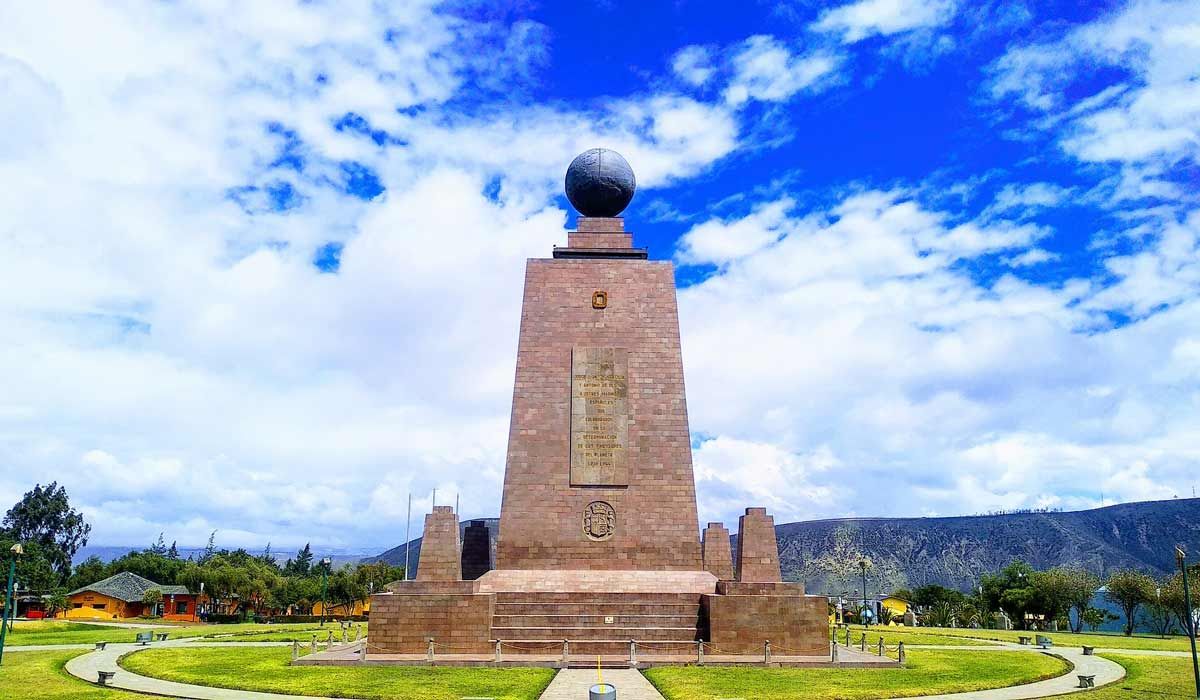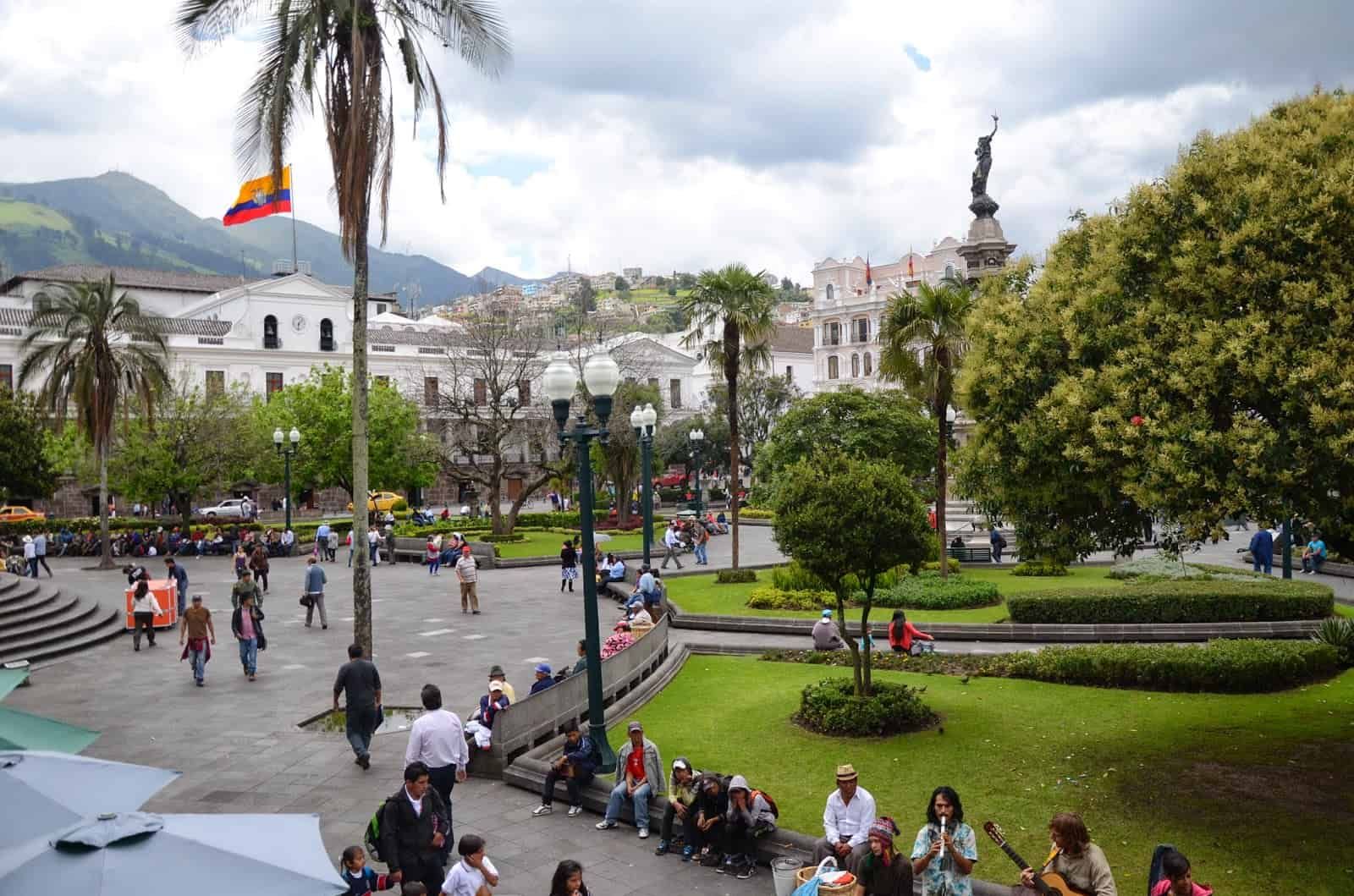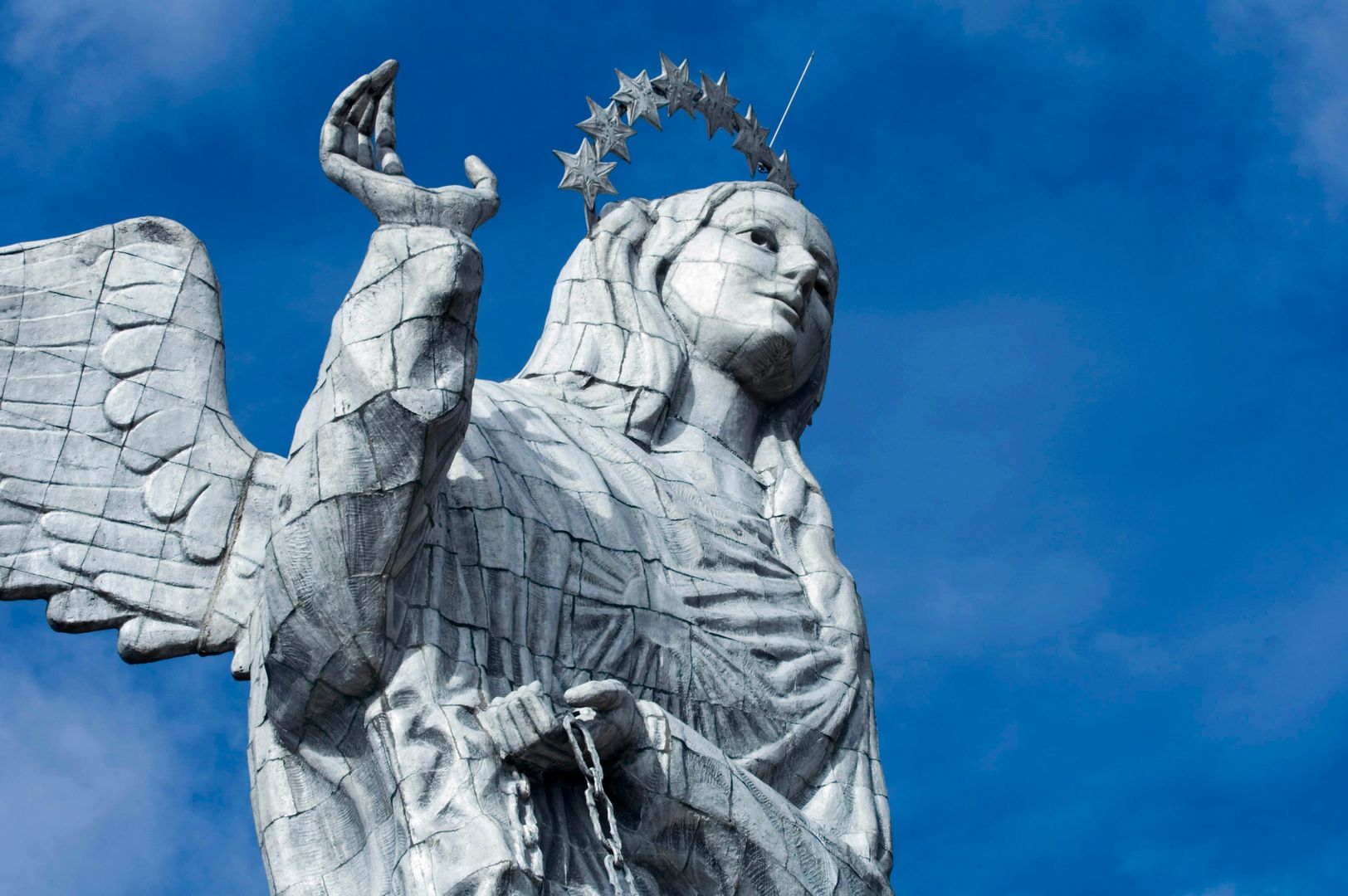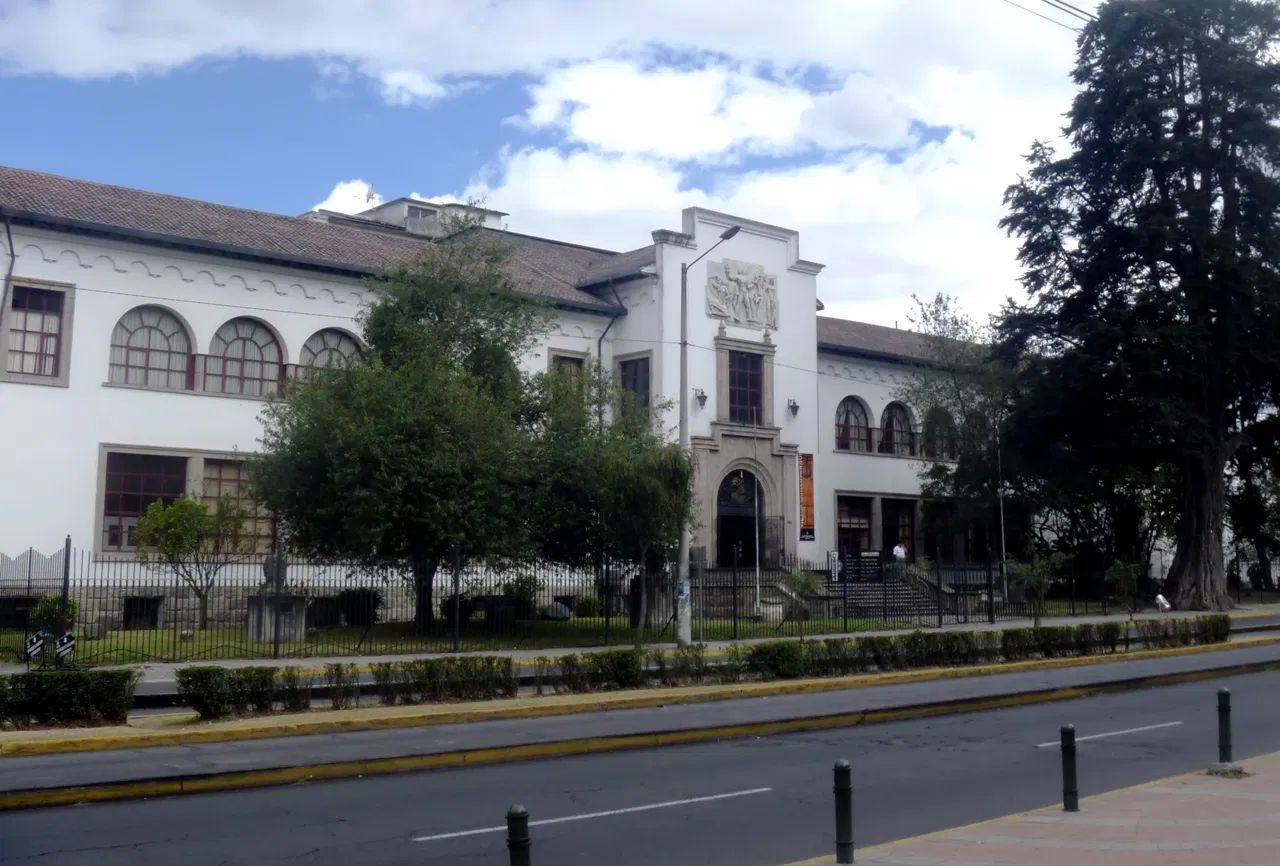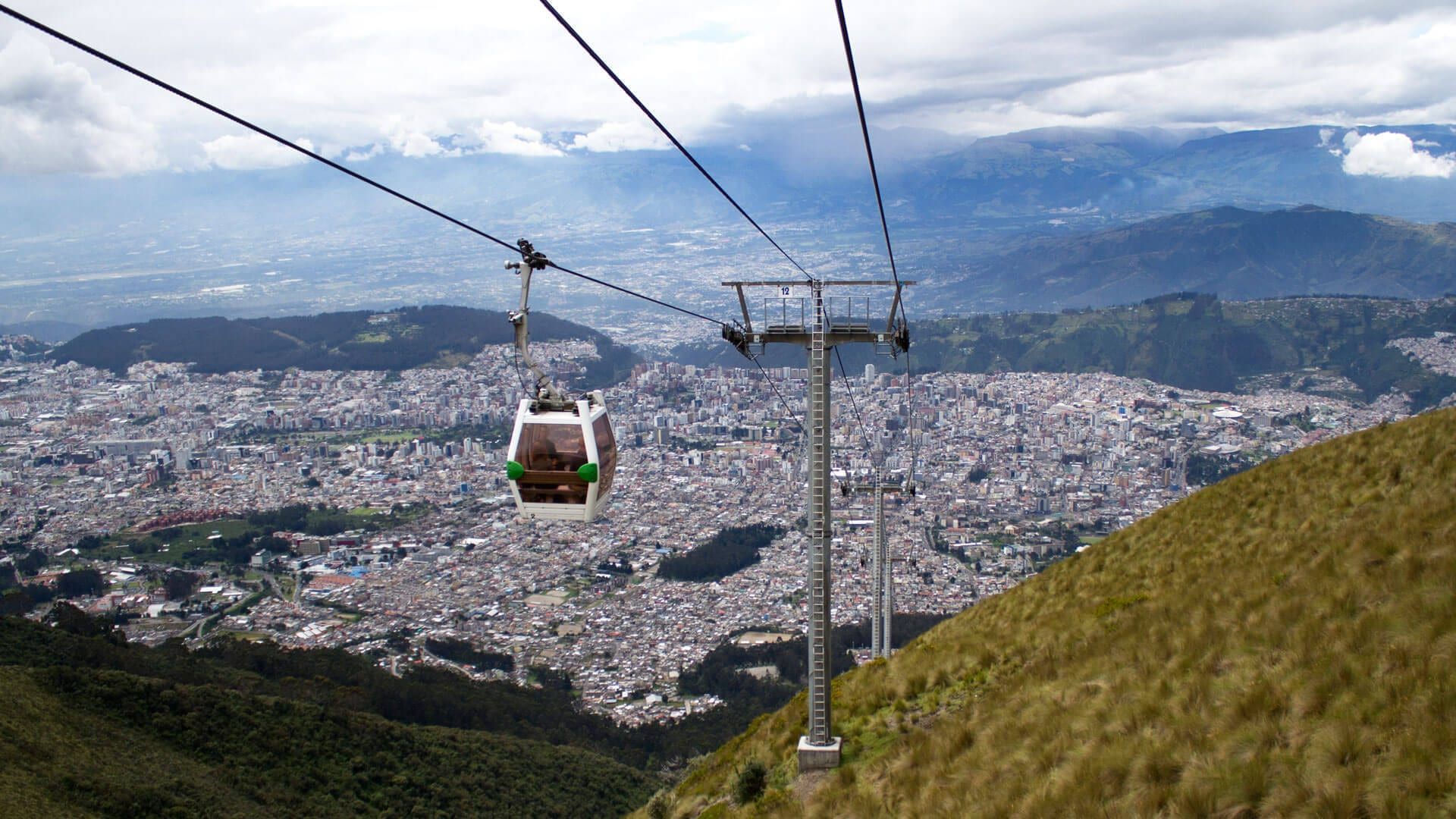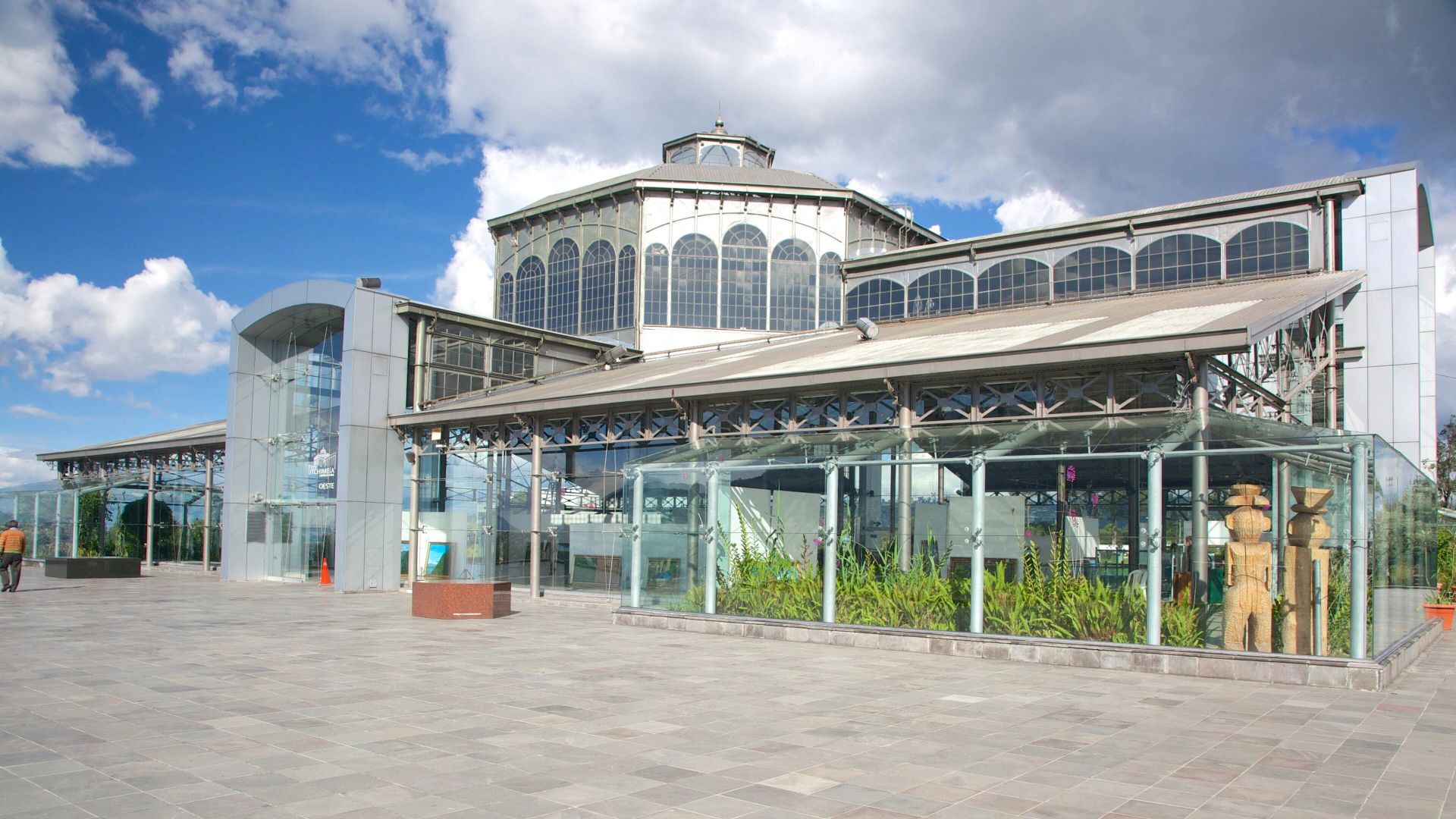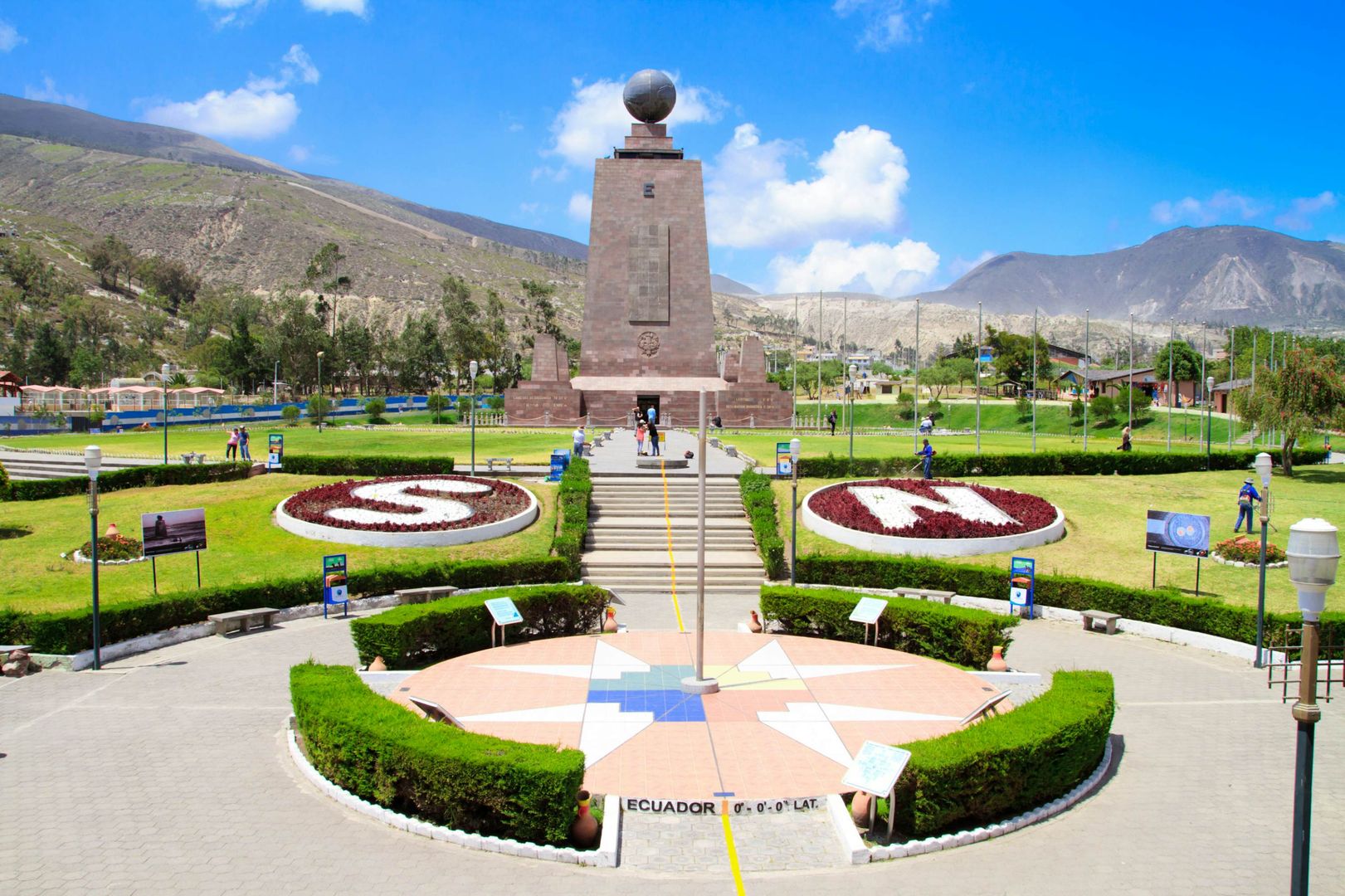
Beautiful view of Intiñan Equator Museum

Intiñan Equator Museum

Quito, Ecuador
i

Beautiful view of Intiñan Equator Museum

Standing just outside Quito, the Intiñan Equator Museum invites travelers to experience the true middle of the world. Beyond the yellow painted “0°” line lies a hands-on science park, bursting with legends, oddities, and vivid Andean heritage. This open-air museum offers more than answers—it raises questions about geography, culture, and the feats and fables woven into Ecuador’s identity.

Visiting Info

Currency
Entrance fee
5 USD
Hours
Opening hours
Monday: 9:30 AM – 5:00 PM
Tuesday: 9:30 AM – 5:00 PM
Wednesday: 9:30 AM – 5:00 PM
Thursday: 9:30 AM – 5:00 PM
Friday: 9:30 AM – 5:00 PM
Saturday: 9:30 AM – 5:00 PM
Sunday: 9:30 AM – 5:00 PM

Contact Information

Location
Address
XGXW+W9F, Manuel Cordova Galarza, Quito 170133, Ecuador

Planning Your Visit

Careful planning makes a trip to the Intiñan Equator Museum smooth and fun. Located about a half-hour north of Quito’s historic district, the museum is easy to reach by car, guided tours, or affordable public buses. Weekdays feel quieter, while weekends buzz with local families. Tickets are sold at the entrance, and most visitors move about in guided groups, which keeps things interesting—but can mean waiting for the next wave of demonstrations. Streets can be cobbled, and some exhibits are outdoors, so sturdy shoes help. On cooler, rainy afternoons, a light jacket comes in handy.

  • Best time to visit: Early mornings during the dry season (June-September), or weekdays for fewer crowds.
  • How to get there: Public buses from Quito (headed to Mitad del Mundo) stop nearby, or take a taxi/Uber for convenience.
  • Accessibility: Mostly accessible for families and seniors, though some paths may challenge wheelchairs on rainy days.
  • Average visit duration: 90 minutes for a guided tour, longer for photos or exploring exhibits at your own pace.
Must See Stuff

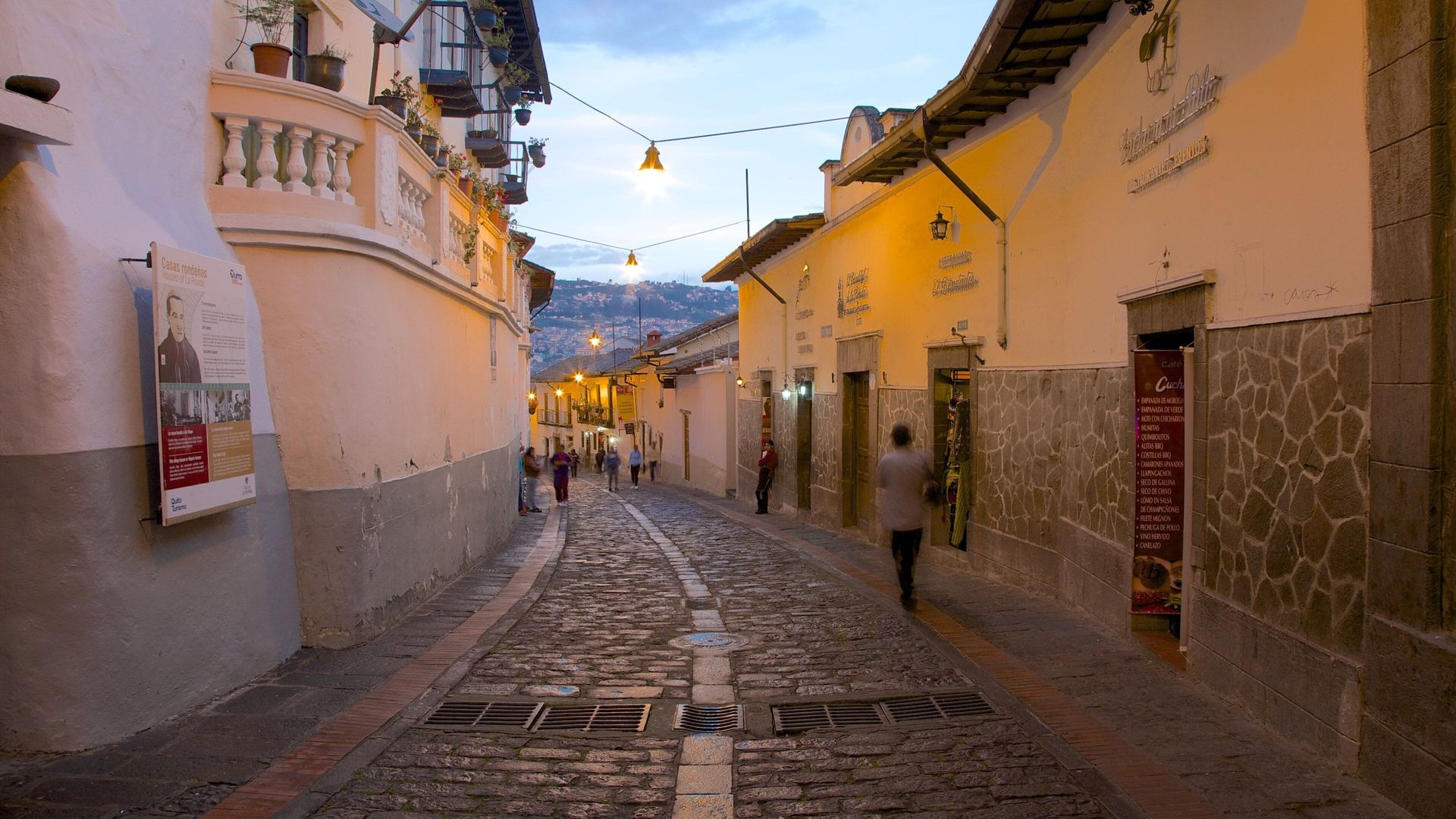
The Intiñan Equator Museum mixes science, folklore, and fun into a truly engaging experience. With hands-on experiments that seem like magic and displays of native cultures, the site draws in visitors of all ages. Many come for the equator line, but stay for the oddities—like balancing eggs or watching water spin. Small indoor museums and lush gardens reveal Ecuador’s biodiversity and ethnic history, while sun-bleached walkways lead to statues, shrunken head displays, and shadowy totem poles. A camera catches something odd and memorable around every corner.

  • Key sights: The authentic GPS-calculated Equator line, ancient sun clocks, and rooms displaying Amazonian shrunken heads.
  • Unique experiences: Balancing an egg on a nail at the ‘exact center’, watching water drain in different directions, and joining traditional dances on festival days.
  • Photo-worthy spots: The striped equator markers, open-air bamboo huts, and the colorful mural walls.
  • Cultural or historical highlights: Stories about indigenous Quechua rituals, the truth behind the “Mitad del Mundo” monument, and lessons on how pre-Inca peoples tracked the seasons.

Tips for Your Visit

A few smart moves make the museum more enjoyable. Arriving just after opening keeps you ahead of tour groups; guides often speak both English and Spanish, so don’t hesitate to join whichever starts first. If traveling with kids or curious teens, leave time for the simple science games sprinkled along the paths—they’ll keep everyone engaged. Sunscreen and water bottles are helpful, since equatorial sun feels strong, even on overcast days. There’s a small café and clean restrooms, though snacks vanish early. Souvenir shops lean toward touristy trinkets, but a handful offer handmade crafts worth a second look. While the area is safe, keep wallets secure and stick to the main loop when moving between sites.

  • Best times to avoid crowds: Arrive before 10am or later in the afternoon, weekdays preferred.
  • What to bring: Water, camera, light jacket, and sturdy shoes for uneven ground.
  • Local etiquette: Ask before taking close-up photos of guides or performance groups, and respect roped-off areas.
  • Safety and comfort: Use sunscreen, watch slick walkways when it rains, and keep an eye on small children around fountains or artifacts.