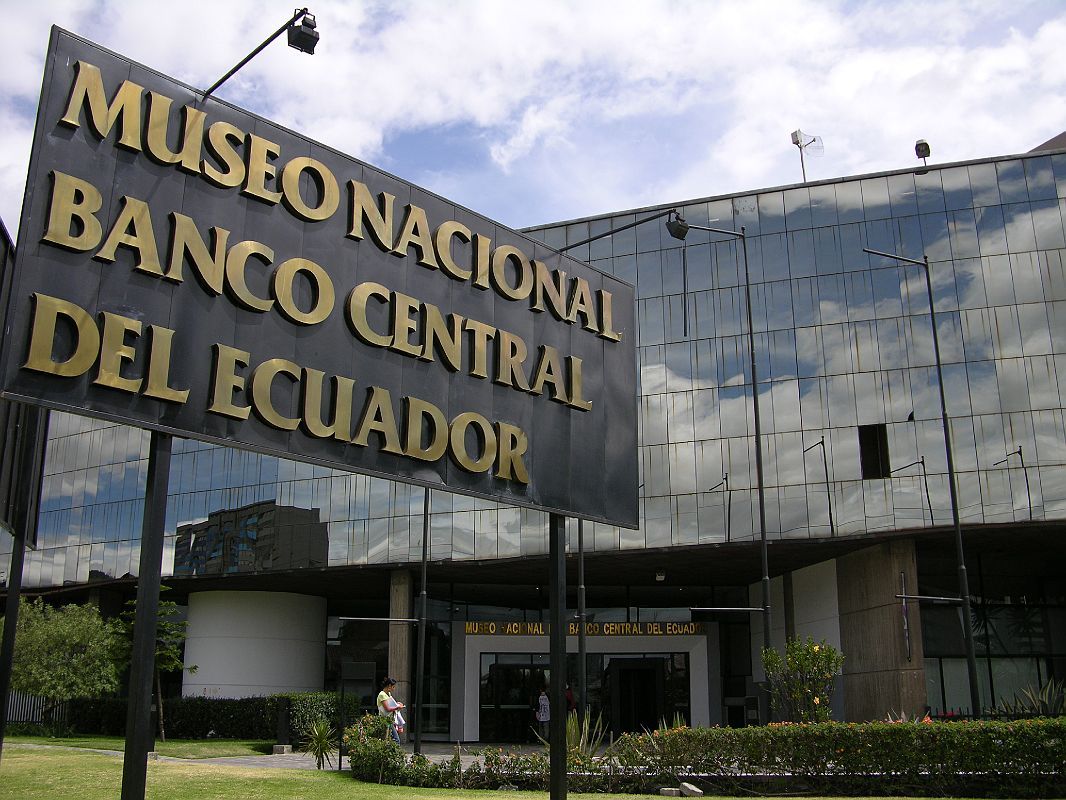
Beautiful view of National Museum of Ecuador

National Museum of Ecuador

Quito, Ecuador
i

Beautiful view of National Museum of Ecuador

Brimming with treasures both ancient and modern, the National Museum of Ecuador draws visitors on a journey through centuries of culture and artistry. Set within the city’s bustling urban core, this landmark introduces the nation’s story through vibrant displays, sacred objects, and interactive galleries. Families, solo travelers, and art lovers alike find this museum rewarding—not just for its artifacts, but also for the unexpected moments of beauty and reflection inside quiet galleries and well-curated halls.

Visiting Info

Currency
Entrance fee
Free
Hours
Opening hours
Monday: Closed
Tuesday: 10:00 AM – 5:00 PM
Wednesday: 10:00 AM – 5:00 PM
Thursday: 10:00 AM – 5:00 PM
Friday: 10:00 AM – 5:00 PM
Saturday: 10:00 AM – 5:00 PM
Sunday: 10:00 AM – 4:00 PM

Contact Information

Location
Address
Edificio de los Espejos, Avenida Patria (between, Av. 6 de Diciembre, Quito, Ecuador

Planning your visit

Visiting the National Museum of Ecuador is a rewarding, half-day adventure. Smart planning helps travelers avoid long waits and crowded rooms. Mornings during weekdays usually offer softer lighting, fewer tour groups, and the best time to linger near favorite exhibits. The museum, located on Avenida Patria and 6 de Diciembre, sits within the Casa de la Cultura building—easy to access by taxi, bus, or on foot from several neighborhoods. Wheelchair users and families with strollers find entryways and all major exhibits accessible, though crowds can sometimes clog the hallways on weekends and holidays. While most visitors spend between 90 minutes to 2 hours, art aficionados often stay longer, drawn deeper into the details.

  • Best time to visit: Weekday mornings, especially from March to May and September to November.
  • How to get there: Easily reached by Ecovía bus line, taxi, or a 15-minute walk from Mariscal Sucre neighborhood.
  • Accessibility: Fully accessible entrances and elevators; suitable for seniors, wheelchair users, and families.
  • Average visit duration: 1.5 to 2 hours for most; longer if exploring special collections or attending workshops.

Must see stuff

The National Museum of Ecuador divides its treasures across eras—from ancient indigenous cultures to shimmering colonial altarpieces and glowing modern canvases. The archaeology gallery stuns first: gold masks, ceramic burial offerings, and stone monoliths that once belonged to societies long vanished. Next come soaring galleries of devotional art and post-colonial paintings that paint a vibrant portrait of Ecuador’s evolving identity. Between grand display rooms, lesser-known gems—tiny Andean jewelry pieces and everyday objects—catch many visitors by surprise.

  • Key sights: The legendary Gold Room, pre-Columbian ceramics, and the monumental stone sculpture Stela of Shamán.
  • Unique experiences: Interactive digital displays that animate ancient stories; regular free artist workshops in the creative lab.
  • Photo-worthy locations: The sunlit central atrium with geometric skylights; intricately painted wooden retablos from the colonial era.
  • Cultural facts: The collection includes over 5,000 works, spanning more than 11,000 years of history—a record unmatched in Ecuador.

Tips for your visit

Several small strategies can make a trip to the National Museum smoother and more memorable. Early mornings offer the most tranquility, and bringing a water bottle helps combat the effects of high-altitude air. Cameras are allowed, but flash photography is not. Loud voices and cell phone use in galleries are discouraged, out of respect for other guests and the art itself. Museum staff are often eager to share small anecdotes—don’t hesitate to ask. A minor drawback: signage on some older exhibits remains in Spanish only, so a translation app or phrasebook might help non-Spanish speakers.

  • Best times to avoid crowds: Arrive at opening or after 3:00 pm on weekdays.
  • What to bring: Water, a camera (no flash), and comfortable shoes; light jacket for cool, highland weather.
  • Local etiquette: Speak quietly; don’t touch objects or ropes; photography allowed except in special exhibits.
  • Safety or comfort advice: Keep valuables close; rest areas and accessible bathrooms are easy to find.