Google Places photo

Baphuon Temple

Siem Reap, Cambodia
i

Google Places photo

Photo by Ngọc Trương

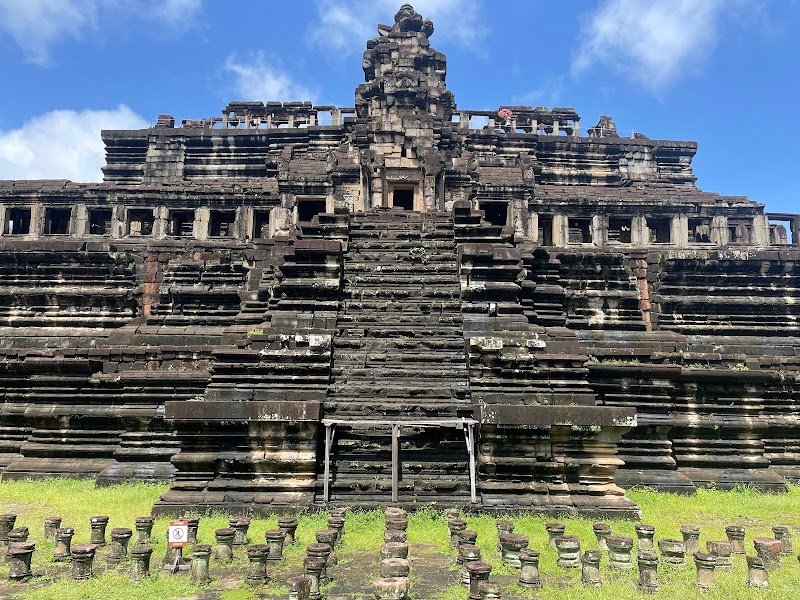
Ancient stones rise above the jungle in the heart of Cambodia, where Baphuon Temple towers over its tree-filled landscape in serene, silent grandeur. Travelers come for a brief escape from the crowds, to stand among the echoes of lost empires. Time blurs here, on weathered causeways and dizzying terraces. For many, Baphuon offers both mystery and stillness—a tangible link to mysteries of the Khmer past.

Visiting Info

Currency
Entrance fee
37 USD
Hours
Opening hours
Monday: 5:00 AM – 6:30 PM
Tuesday: 5:00 AM – 6:30 PM
Wednesday: 5:00 AM – 6:30 PM
Thursday: 5:00 AM – 6:30 PM
Friday: 5:00 AM – 6:30 PM
Saturday: 5:00 AM – 6:30 PM
Sunday: 5:00 AM – 6:30 PM

Contact Information

Location
Address
Angkor Archaelogical Park, Krong Siem Reap, Cambodia

Planning your visit

Planning a trip to Baphuon Temple rewards those willing to venture beyond Angkor’s main headline sights. Unlike Angkor Wat’s endless swells of tour buses, Baphuon sits quietly north of the Bayon, within Angkor Archaeological Park, welcoming explorers who value atmosphere as much as architecture. Expect a bit of walking, high humidity, and unforgettable views at the summit. Mornings often mean cooler air and softer light. Tickets are part of Angkor’s park pass, not sold on site, and the temple closes by late afternoon.

  • Best time to visit: Early mornings (7-9am) or late afternoons (3-5pm), especially from November to February when the weather is cooler.
  • How to get there: Tuk-tuks and bicycles from Siem Reap take 20-30 minutes. Guided tours often include Baphuon on a “Small Circuit” route. Motorbikes are not allowed within the park.
  • Accessibility: The temple has steep stairs and elevated wooden walkways, which can be challenging for strollers and those with mobility issues. Families with young children should supervise climbers closely.
  • Average visit duration: 45 minutes to 1.5 hours, longer for photographers or history enthusiasts.

Must see stuff

Every stone at Baphuon tells a story, from the ceremonial sandstone bridge to the topmost terrace where jungle trees spread like living tapestries. Once the center of King Udayadityavarman II’s city, Baphuon now offers a journey through vivid carvings, collapsed galleries, and wide views over Angkor Thom’s moats and ramparts. Visitors enter over a raised causeway flanked by shadowy pools, then climb through a maze of passageways to the pinnacle where breezes carry the scent of frangipani. In some corners, restoration efforts leave puzzle-like blocks and silent worktables—testament to the temple’s turbulent history and modern revival.

  • The Elevated Sandstone Causeway: Walk the 200-meter bridge flanked by water and jungle. Feel the hush before the climb begins.
  • Main Pyramid and Summit: Climb steep stone stairs for sweeping, 360-degree views. These terraces once supported a golden tower visible across the city.
  • Reclining Buddha Relief: On the west side, spot a giant stone carving added in the 16th century—an unexpected contrast to the temple’s original design.
  • Baphuon’s Bas-Reliefs: Look for subtle narrative carvings in the galleries: depictions of battles, sacred animals, and mythic tales.
  • Restoration Zone: Glimpse hundreds of labeled stones waiting to be fit together, the result of a decades-long “giant jigsaw” restoration by French and Cambodian teams.
  • Photo spots: Dawn light on the main causeway; jungle-framed views from the summit; intricate carvings in low side corridors.
  • Cultural facts: Baphuon was once called the “horizontally lying Shiva.” Its layered construction makes it unique among Angkor temples, and its later conversion to Buddhist use shaped many unusual features.

Tips for your visit

To get the most from a visit to Baphuon, a few local secrets can go a long way. The early morning brings fewer crowds and softer light, but the wooden walkways can be slippery after rain. Sand, heat, and occasional insects are realities, so comfort comes from lightweight clothes and sturdy shoes. Peaceful corners abound, especially in shaded corridors along the temple’s base. Most visitors pause at the summit, but hidden benches near the pools give respite from the climb. Respectful dress is expected—shoulders and knees covered—like many sacred sites in Cambodia. Photographers often linger behind to catch soft color at sunset, but rangers ask everyone to leave before dark.

  • Best times to avoid crowds: Weekdays and early mornings. Avoid weekends and major holidays if possible.
  • What to bring: Bottled water, sunscreen, a hat, sunglasses, and a camera. Good sandals or walking shoes are a must for the uneven stones.
  • Local etiquette or rules: Dress modestly. Avoid climbing on decorative sculptures. Take photos respectfully, and don’t enter restricted areas.
  • Safety or comfort advice: Hold onto handrails. Watch for crumbling steps, especially after rain. Supervise children closely and pack snacks for young travelers. Mosquito repellent helps, especially in shady spots.

Similar Attractions

Baphuon Temple – Tickets, Hours & Visitor Guide