Google Places photo

Skopje Aquaduct

Skopje, North Macedonia

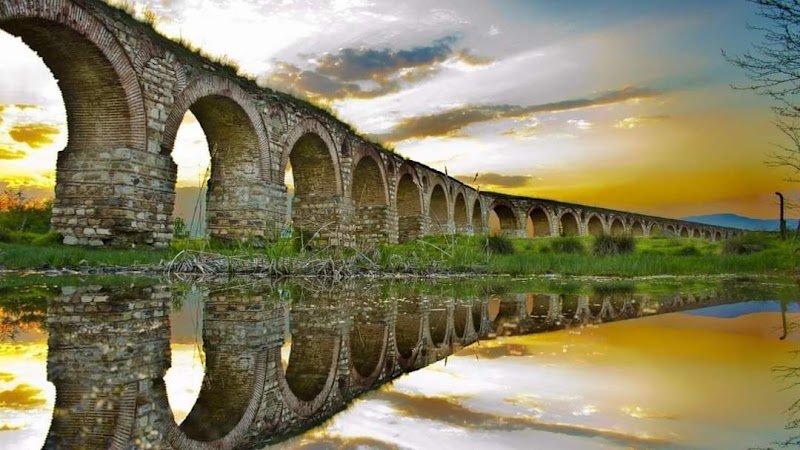
Stretching quietly over an open field on the outskirts of Skopje, the Skopje Aqueduct embodies centuries of lost stories. Its repeating arches, weathered stone, and peaceful surroundings offer an arresting contrast to the modern city nearby. For history lovers and wandering travelers, this ancient landmark stands as a silent reminder of civilizations and connections, inviting exploration that combines reflection and curiosity.

Visiting Info

Currency
Entrance fee
Free
Hours
Opening hours
Monday: Open 24 hours
Tuesday: Open 24 hours
Wednesday: Open 24 hours
Thursday: Open 24 hours
Friday: Open 24 hours
Saturday: Open 24 hours
Sunday: Open 24 hours

Contact Information

Location
Address
2CC9+XG9, Skopje 1000, North Macedonia

Planning your visit

Without the bustle of ticket booths or waiting lines, the Skopje Aqueduct provides easy access for those willing to venture just north of the city center. Most visitors arrive by taxi, while agile travelers might choose a short bus ride or even a half-hour cycle from central Skopje. Early mornings and late afternoons often deliver quieter moments, with golden sunlight flickering through the ancient arches. Although the site is mostly open and unguarded, there are no official entrance fees or timed visits. Mobility might be challenging, however, as the uneven terrain isn’t ideal for strollers or wheelchairs. For a quieter experience and the best light for photos, thoughtful timing pays off.

  • Best time to visit: Spring or autumn afternoons for comfortable weather and fewer crowds; sunrise or sunset for unique lighting.
  • How to get there: Short taxi ride from downtown Skopje; bus number 19 towards the Vizbegovo area; cycling for the adventurous.
  • Accessibility: Moderate; uneven grassy fields may deter those with limited mobility; no visitor facilities on site.
  • Average visit duration: 30-60 minutes depending on interest in photos and exploring nearby.
Must see stuff

The Skopje Aqueduct’s ancient stones draw the eye immediately. With nearly 55 of the original 70 brick-and-stone arches standing, the aqueduct stretches for more than 300 meters, creating a dramatic silhouette against the Macedonian sky. While the age and builder of the aqueduct remain topics of local debate—some claim Roman, others Byzantine or Ottoman—every carved stone hints at a rich, layered past. The tranquil setting offers the chance for unique photographs, reflective strolls, and impromptu picnics. Even without exhibits or official tours, the site brims with atmosphere and provides space for the imagination to wander.

  • Key sights or features: The preserved span of soaring arches, with a rugged, weathered texture; panoramic views of open fields and distant mountains.
  • Unique experiences: Exploring underneath the arches; walking the entire visible length; listening for local stories from Skopje residents sometimes found nearby.
  • Photo-worthy locations: The site at sunrise or sunset, especially from the southern end; framing pictures from beneath an arch looking outward.
  • Cultural or historical facts: Debate about the aqueduct’s origin sparks curiosity, as it may date as far back as the Roman Empire or as recently as 16th-century Ottomans.

Tips for your visit

A little planning ensures a smooth stop at this underrated landmark. Once at the site, wear comfortable shoes, as grassy stretches hide dips and rocks waiting to trip distracted visitors. No water fountains or shops exist nearby, so a full water bottle and snacks never go amiss. Those sensitive to sun should pack hats or sunblock, especially on cloudless days. While the Aqueduct feels safe, its open location means solo travelers should remain aware. Respect the stones by resisting climbs, as centuries-old mortar crumbles under unnecessary pressure. Kicking up dust or leaving litter spoils the clean simplicity of the fields. With thoughtful preparation and a respectful attitude, the Skopje Aqueduct rewards curious travelers with a rare, unpolished glimpse into Macedonia’s ancient heritage.

  • Best times to avoid crowds: Early morning or late afternoon on weekdays, outside peak tourist season.
  • What to bring: Walking shoes, camera or phone, water, snacks, sun protection.
  • Local etiquette or rules: Avoid climbing the structure or disturbing the site; take any trash out with you; greet passing locals with a polite smile or hello, "zdravo".
  • Safety or comfort advice: Field can be dusty in summer or muddy in spring; mind the uneven ground and stay aware of your surroundings.

Similar Attractions

Skopje Aquaduct – Tickets, Hours & Visitor Guide