Google Places photo

National Archeological Museum of the Bulgarian Academy of Sciences

Sofia, Bulgaria
i

Google Places photo

Photo by N.B. K.

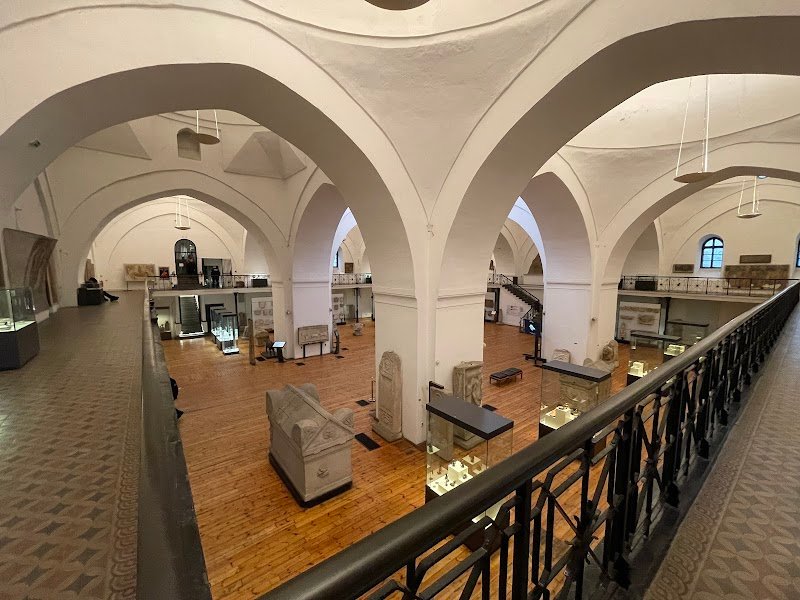
In the heart of Sofia stands an unassuming building whose walls have witnessed centuries of change. Stepping into the National Archaeological Museum of the Bulgarian Academy of Sciences is like opening a time capsule for Southeast Europe. Mosaic floors, ancient weapons, golden funeral masks—these treasures whisper the stories of conquering kings, everyday Romans, and mysterious Thracians. The impressive halls and cool stone corridors promise a journey deep into Bulgaria’s ancient roots, far from the city’s busy streets.

Visiting Info

Currency
Entrance fee
10 BGN
Hours
Opening hours
Monday: Closed
Tuesday: 10:00 AM – 5:00 PM
Wednesday: 10:00 AM – 5:00 PM
Thursday: 10:00 AM – 5:00 PM
Friday: 10:00 AM – 5:00 PM
Saturday: 10:00 AM – 5:00 PM
Sunday: 10:00 AM – 5:00 PM

Contact Information

Location
Address
Sofia Center, пл. „Атанас Буров“, 1000 Sofia, Bulgaria

Planning your visit

For travelers ready to dive into Bulgaria’s layered history, a little preparation makes the experience richer. The museum, set in a landmark former Ottoman mosque, is easy to find in central Sofia. Summers bring many tourists, while winter carries a quieter charm and smaller crowds. Standard tickets are affordable, and most displays have English labels, though guided tours reveal the juiciest legends.

  • Best time to visit: Spring and early autumn offer comfortable weather and fewer groups; arriving just after opening (10 a.m.) avoids the midday rush.
  • How to get there: The museum sits near major tram and metro lines, within a short stroll from Serdika subway station; taxis are also convenient and inexpensive in central Sofia.
  • Accessibility: Most galleries are on the ground floor, but a few small sections upstairs require climbing; staff can help families and older visitors navigate uneven stone steps.
  • Average visit duration: Two hours covers the essentials, while true history buffs sometimes linger well into the afternoon.

Must see stuff

The museum shelters not only Bulgaria's oldest written artifacts but also some of Europe’s finest gold. Fans of ancient civilizations and dazzling objects will find plenty to entrance them. Each main gallery highlights a different era, and regular pop-up exhibits pack surprises. The dusky Main Hall often fills with hushed voices examining funerary masks, rare jewelry, and more.

  • Main Hall: Home to the celebrated Panagyurishte Treasure—over six kilograms of Thracian gold drinking vessels, glinting beneath spotlights.
  • Prehistory Hall: Tools and figurines dating as far back as 1.6 million years; the oldest gold jewelry ever discovered, from Varna necropolis.
  • Medieval Gallery: Byzantine coins, icons, and arms hint at Bulgaria’s turbulent times between empires.
  • Temporary exhibitions: Rotating displays dig deep into topics like ancient trade routes or mysterious tombs recently unearthed.
  • Photo-worthy corners: The monumental stone portal by the entrance; shadowy corridors lined with statues and mythic beasts; sunlight slanting across Roman mosaics in the small courtyard.
  • Cultural facts: The building itself—once the largest mosque in Sofia—stands as a lesson in the city’s shifting identity.

Tips for your visit

Some travelers breeze through the museum, while others return for new discoveries. Keeping a few practical suggestions in mind guarantees a more vivid experience. Knowing what to bring, recognizing local habits, and planning a break at a nearby café can make art, history, and stories linger long after leaving the museum’s ancient walls.

  • Best times to avoid crowds: Midweek mornings and winter afternoons are usually the most peaceful.
  • What to bring: A camera (flash photography not allowed), a notebook for sketching or jotting down details, and a reusable water bottle—the gift shop sells refillable bottles, too.
  • Local etiquette: Speak quietly in galleries and avoid blocking exhibits while taking photos; many locals use the museum for school excursions, so expect groups of children on weekdays.
  • Safety and comfort: Stone floors can get slippery when wet; comfortable shoes help on old steps and long corridors. The museum doesn’t have air conditioning, so dress in layers during Sofia’s changeable seasons.

Similar Attractions