Rakia museum
Rakia museum

Rakia museum

Sofia, Bulgaria
i

Rakia museum

Photo by GG MOTO1

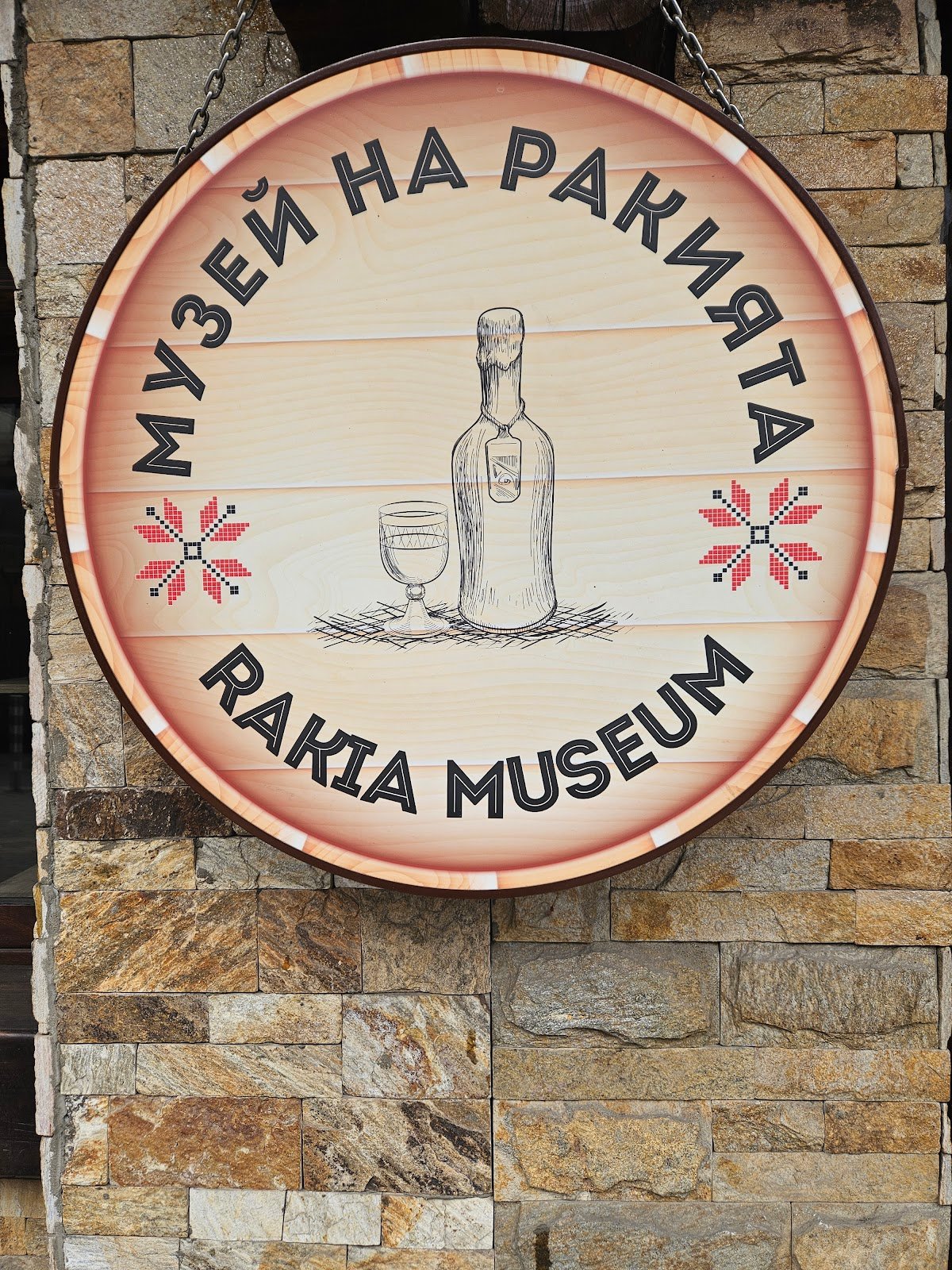
Among Sofia’s quieter treasures, the Rakia Museum offers a lens into one of Bulgaria’s most spirited traditions. Here, history, flavor, and folklore mix together for a museum experience that feels alive—with laughter, informed guides, and hints of plum and apricot in the air. The Rakia Museum brings a centuries-old craft into the present, serving as both an educational stop and a lively celebration of local culture and hospitality.

Visiting Info

Currency
Entrance fee
15 BGN
Hours
Opening hours
Monday: 12:30 – 7:00 PM
Tuesday: 12:30 – 7:00 PM
Wednesday: 12:30 – 7:00 PM
Thursday: 12:30 – 7:00 PM
Friday: 12:30 – 7:00 PM
Saturday: 12:30 – 7:00 PM
Sunday: 12:30 – 7:00 PM

Contact Information

Location
Address
1000, Old City Center, bul. "Patriarh Evtimiy" 22, 1000 Sofia, Bulgaria

Planning your visit

The Rakia Museum sits in Sofia’s central Lozenets district, surrounded by leafy streets and away from tourist-packed boulevards. Travelers should expect a boutique, indoor space with an intimate atmosphere rather than a sprawling museum complex. Entry lines are rare, but evenings can fill up, as tastings double as social outings for locals and travelers alike. Guided tours run on a relaxed schedule, and tastings book up quickly during weekends or holidays. Families, seniors, and small groups all find the space welcoming, though the focus on spirits leans adult-oriented. The museum’s approach is casual, but advance planning helps make the most of the visit.

  • Best time to visit: Late afternoons on weekdays; spring and autumn offer pleasant walking weather nearby.
  • How to get there: Take tram 10 from downtown Sofia, or walk 15 minutes from the NDK metro station. Taxis are plentiful and affordable.
  • Accessibility: Entry is on the ground level with minimal steps; most exhibits are accessible for strollers and wheelchairs. Seating is available during tastings.
  • Average visit duration: 60 to 90 minutes, including tasting session.

Must see stuff

What sets the Rakia Museum apart is more than its display of bottles and photos. The real highlights come from personal stories, lovingly preserved equipment, and the sensory experience provided by skilled staff. Everything is connected—family stills, hand-written labels, and the national pride behind every distilled batch. Interactive exhibits invite visitors to discover how fruit, fire, and tradition combine to create rakia, Bulgaria’s fiery fruit spirit.

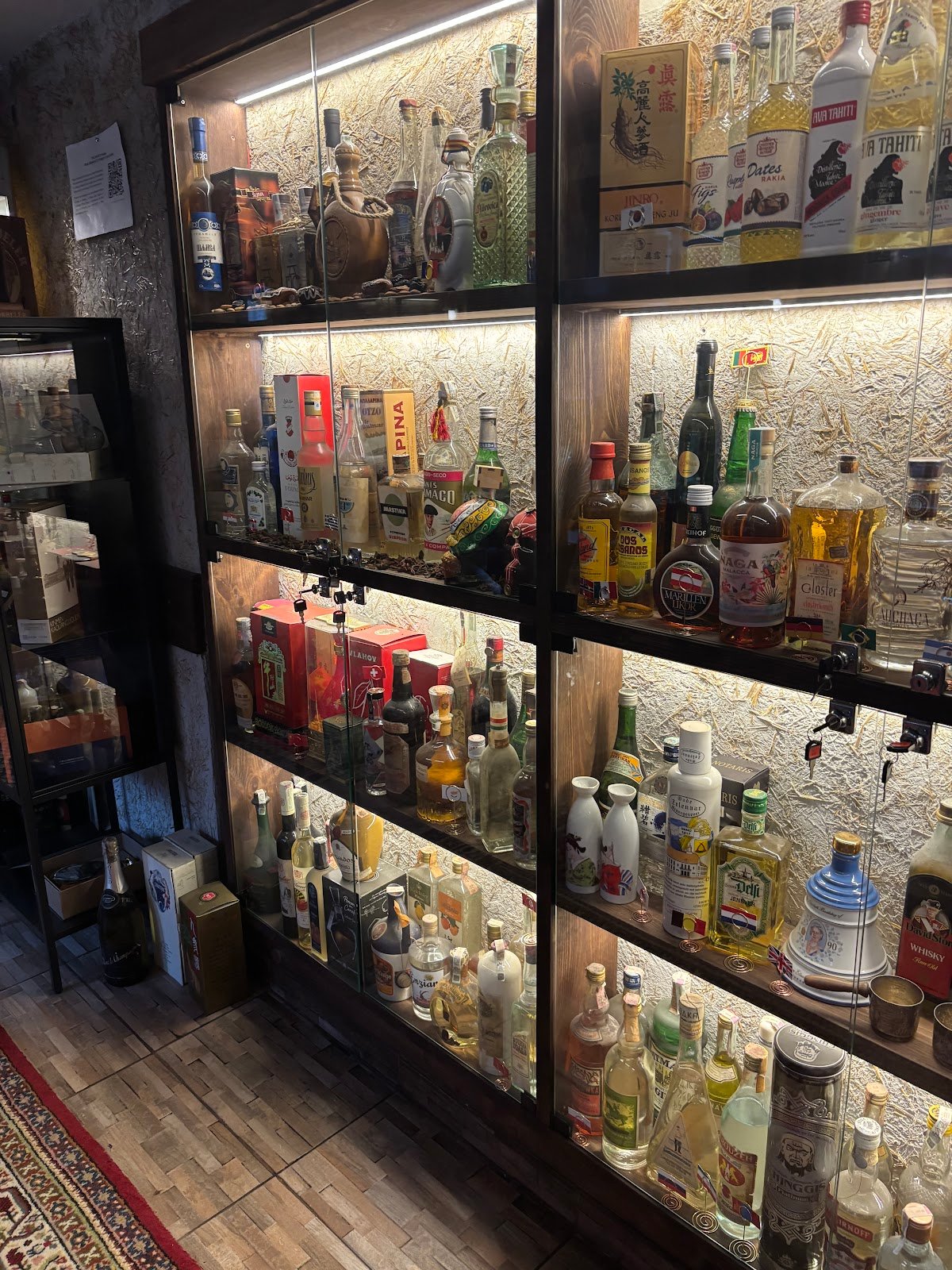
  • Key sights or features: Historic distillation devices, hand-blown glass bottles, vintage advertising posters, and rare old rakia from rural regions.
  • Unique experiences: Tasting sessions with local guides who offer pairing tips (try the rakia with pickled vegetables). Seasonal workshops for those curious about the distillation process.
  • Photo-worthy locations: The cabinet of rare rakia varieties, shelves lined with brightly colored fruit preserves, and a quirky mural celebrating Bulgaria’s fruit harvests.
  • Cultural or historical facts: Explanations about rakia’s role in Bulgarian celebrations, how customs vary by village, and why many families still make their own to this day.

Tips for your visit

A Rakia Museum visit rewards curiosity with local insight, but a bit of preparation helps make the most of each stop. Busy evenings mean slower service and less room for questions, while late afternoons and weekday slots are quieter. Comfortable shoes are sensible, and a light snack before or after is advisable—rakia tastings pack a punch. Group etiquette favors attentive listening during tastings and respect for the hosts, who are proud to share their stories. Most staff speak English, but trying a few Bulgarian phrases, even as simple as “blagodarya” (thank you), goes a long way. The compact space rarely gets overwhelming, but without much seating outdoors, plan accordingly if traveling with young children or anyone needing a break.

  • Best times to avoid crowds: Arrive before 4 pm on weekdays, especially outside tourist season.
  • What to bring: Charged phone or camera for photos, curiosity, and a readiness to taste. Water is available, but bringing your own is welcome.
  • Local etiquette or rules: Tasting portions are generous; sip slowly and avoid loud voices during guided segments.
  • Safety or comfort advice: Tastings contain notable alcohol content. Eat beforehand, and have a plan if using public transport afterward.

Similar Attractions