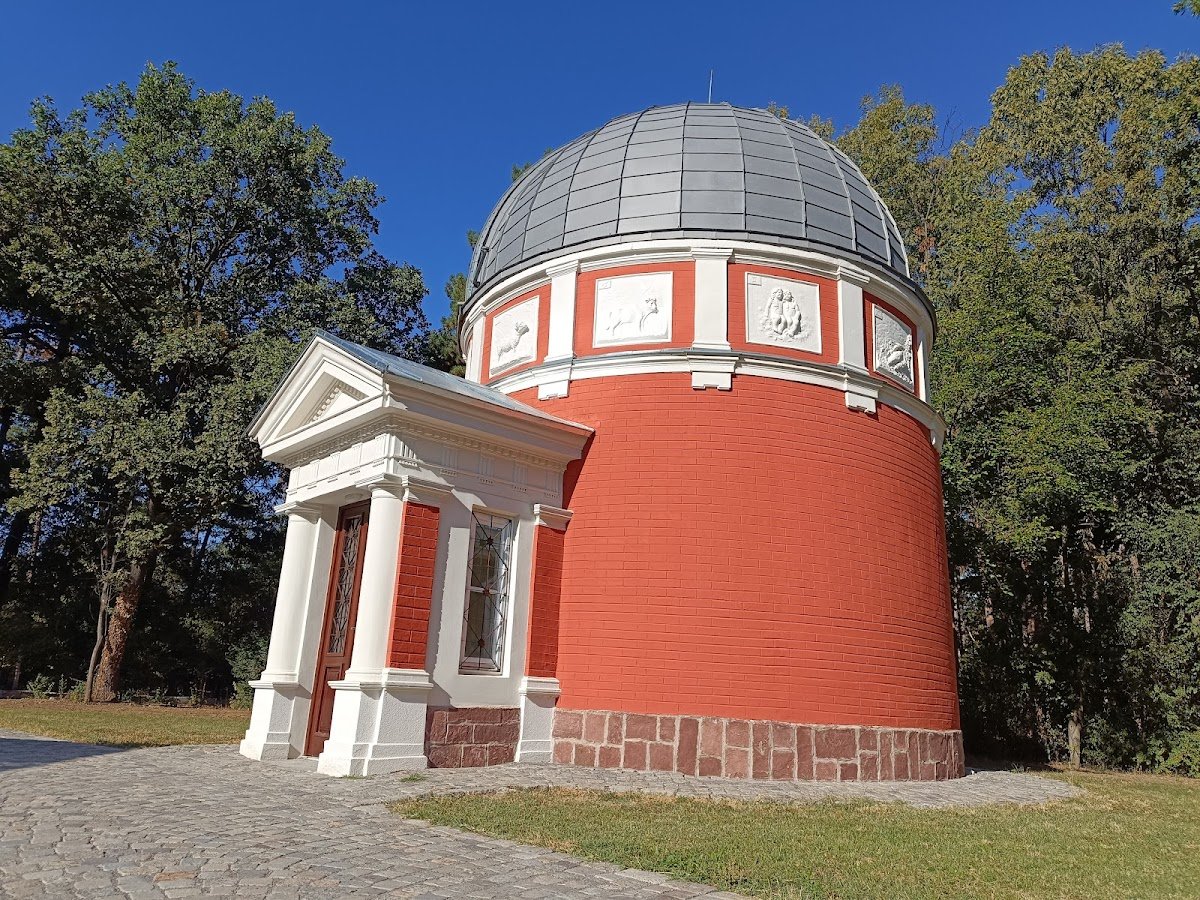
Sofia University Astronomical Observatory

Sofia University Astronomical Observatory

Sofia, Bulgaria

Above the gentle northwestern slopes of Borisova Gradina, Sofia University Astronomical Observatory waits behind tall trees, shining softly among shadows and streetlights. Built in 1897, this historic observatory stands as Bulgaria's oldest and serves as a bridge between scientific discovery and public wonder. On clear nights, a hushed anticipation fills the grounds, visitors and astronomers alike drawn by a shared curiosity about the stars. The observatory hums with old-world charm, yet pulses with the excitement of ongoing learning. Whether stargazing from the lawns or attending expert-led sessions, anyone curious about the universe will find something memorable here.

Visiting Info

Currency
Entrance fee
Free
Hours
Opening hours
Monday: Closed
Tuesday: Closed
Wednesday: Closed
Thursday: 10:00 AM – 4:00 PM
Friday: 10:00 AM – 4:00 PM, 8:45 PM – 12:00 AM
Saturday: Open 24 hours
Sunday: 12:00 AM – 8:45 PM

Contact Information

Location
Address
Borisova Gradina, 1164 Sofia, Bulgaria

Planning your visit

Fans of astronomy or local culture will find Sofia University Astronomical Observatory rewarding with just a bit of forward planning. The observatory doesn’t keep touristy hours or flashy signage; admission is often tied to scheduled events, public lectures, or open observation nights. Approaching from the city center, the observatory feels like a hidden retreat just minutes outside bustling Sofia streets. Evening trips offer the clearest skies, but mild afternoons show off the building's grandeur as well. Most visits remain pleasantly uncrowded, except during popular seasonal sky events or school group outings. The tree-lined path to the entrance makes for a peaceful walk but expect low lighting on night visits.

  • Best time to visit: Spring and early autumn evenings; public observation nights are ideal.
  • How to get there: Take Metro Line 1 to Joliot-Curie Station or use bus lines 94 or 280, a short walk from either stop.
  • Accessibility: The grounds feature paved paths, though some steps and older doorways may challenge wheelchairs and strollers. Families and seniors will be comfortable but may want to avoid crowded event nights.
  • Average visit duration: 1 to 2 hours covers most activities.

Must see stuff

This century-old observatory offers more than a look through a telescope. Its walls echo with stories, and its domed roofs provide views both into space and across Sofia’s skyline. Visitors can explore outdoor lawns, peer at antique telescopes, and soak in displays explaining Bulgaria's contributions to astronomy. On clear, scheduled evenings, skilled astronomers share views of planets, moons, and distant galaxies. The observatory’s smaller domes sometimes open to smaller groups, where one can admire original mechanics and classic refracting scopes. Photographers linger over sunset shots with the city lights below or focus lenses on moonlit domes. History buffs appreciate the mix of 19th-century equipment and modern research projects still ongoing in tucked-away rooms.

  • Key sights or features: Main observation dome with a 15cm Zeiss refractor; preserved murals and scientific plaques inside halls; small outdoor stargazing terrace.
  • Unique experiences: Public star parties (with live telescope feeds); astronomy lectures with university staff; rare access to the library’s historic star charts.
  • Photo-worthy locations: The main dome against dusk skies; brass telescopes glinting in lamplight; leafy park vistas beyond the gates.
  • Cultural or historical facts: The observatory hosted Bulgaria’s earliest systematic meteor observations and remains a center for both university research and citywide outreach.

Tips for your visit

Some small details make a difference for comfort and enjoyment at Sofia University Astronomical Observatory. Night skies can turn chilly even when daytime seems mild, so a light jacket is useful. Personal flashlights help on the darker walkways leading in and out of the park, but bright phone lights can disturb observation, so use sparingly. The atmosphere here stays friendly and informal, but respectful quiet is appreciated inside observation areas—enthusiastic kids are welcome, but supervisors might want to preview what’s hands-on. Expect basic facilities; snacks and drinks are not for sale, though small cafes wait near the local bus stop. For those hoping to see a certain planet or rare constellation, check event calendars online or call ahead for guidance.

  • Best times to avoid crowds: Mid-week evenings and dates outside major celestial events.
  • What to bring: Warm layers, water, a camera, flashlight, and comfortable shoes for walking on uneven lawns.
  • Local etiquette or rules: No eating near observation equipment; turn off phone lights or set screens to dim red mode during stargazing.
  • Safety or comfort advice: Walk slowly at night; some roots and low branches line the park paths. Supervise children near older machinery.

Similar Attractions