Google Places photo

Jupiter's Temple

Split, Croatia
i

Google Places photo

Photo by 젼이스져니

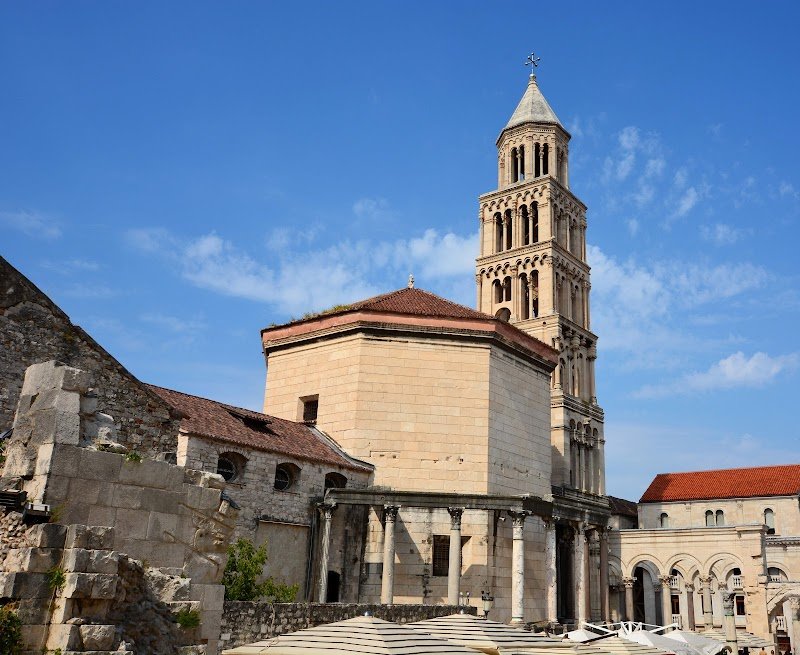
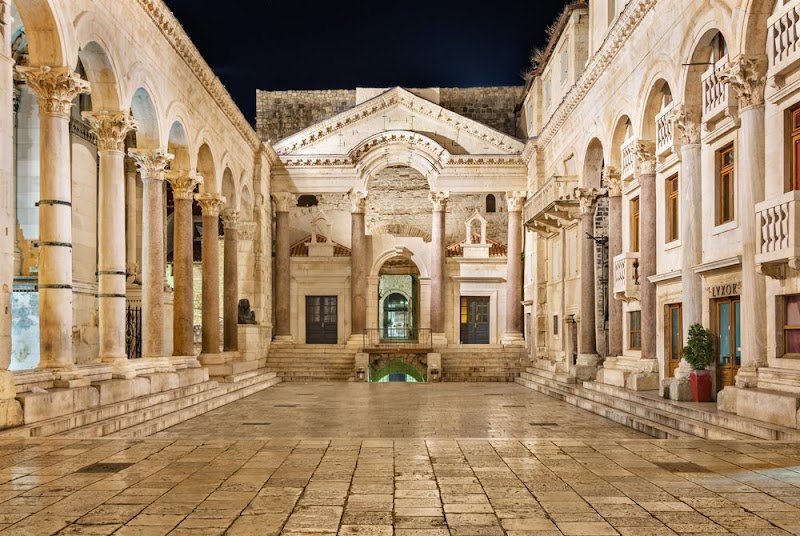
Few historic shrines blend antiquity and living culture quite like Jupiter’s Temple. Once the heart of a Roman emperor’s fortress, today the temple stands quietly—stoic among the lively streets and laughter-filled cafés outside its ancient doors. Every visitor finds something lasting here: the echoes of ancient rituals, the weight of stone carved nearly two millennia ago, and the contagious magic of Croatian urban life that wraps this tiny monument in constant movement and conversation.

Visiting Info

Currency
Entrance fee
Free
Hours
Opening hours
Monday: 8:15 AM – 7:30 PM
Tuesday: 8:15 AM – 7:30 PM
Wednesday: 8:15 AM – 7:30 PM
Thursday: 8:15 AM – 7:30 PM
Friday: 8:15 AM – 7:30 PM
Saturday: 8:15 AM – 7:30 PM
Sunday: 10:15 AM – 5:30 PM

Contact Information

Location
Address
Ul. Kraj Svetog Ivana 2, 21000, Split, Croatia

Planning your visit

Planning an excursion to Jupiter’s Temple rewards those who go a bit beyond the guidebook. The narrow lanes of Diocletian’s Palace can get busy by midday, so knowing when and how to arrive matters. No need to set aside a whole day; the temple nestles compactly among other treasures, making it easy to pair with a stroll through central Split. Tickets are generally available at the entrance, but during summer weekends, brief queues are common. While the site offers few modern amenities, its straightforward layout does lend itself to quick drop-ins and thoughtful returns later in the day.

  • Best time to visit: Early morning or late afternoon, especially from May to September to avoid crowds and midday heat.
  • How to get there: Walk from most hotels or the Old Town harbor; public buses and taxis stop just outside Diocletian’s Palace walls.
  • Accessibility: Entryway steps and original stone flooring can challenge visitors with limited mobility; families with young children or strollers may want to plan ahead.
  • Average visit duration: 15–30 minutes; allow extra time for nearby attractions.
Must see stuff

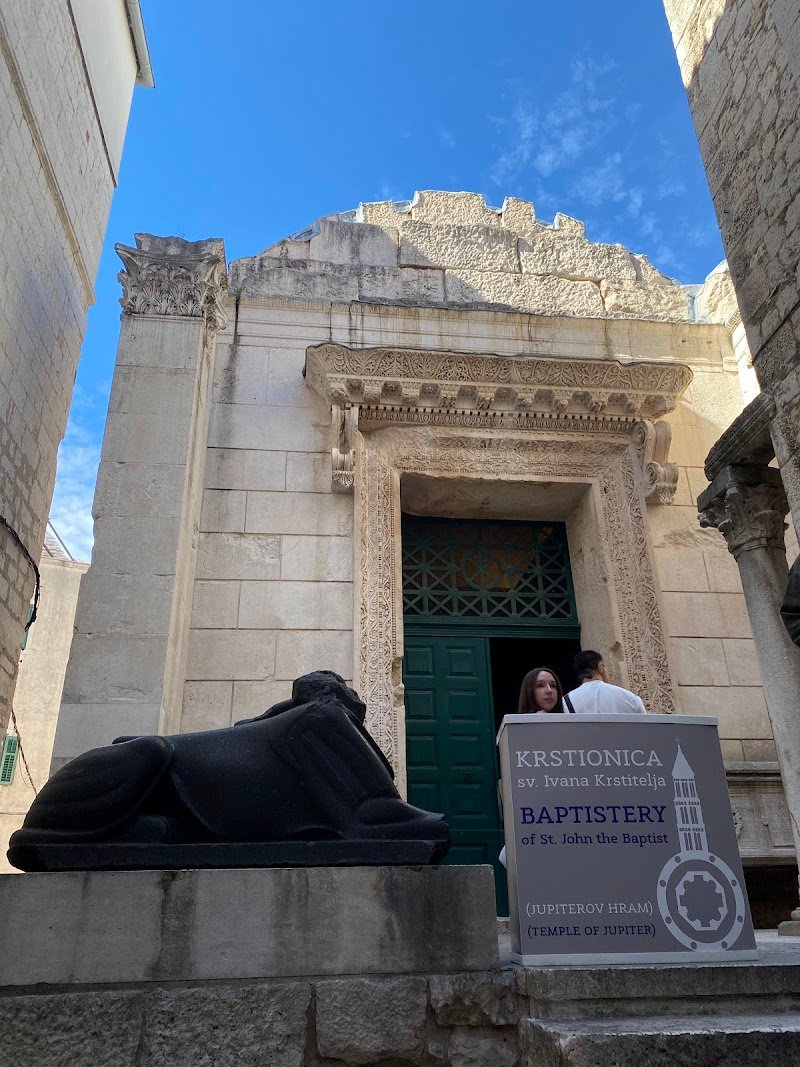
Stepping inside Jupiter’s Temple feels like slipping into another century. Thick stone walls dampen the outside chatter, creating a cool, quiet pause just steps from Split’s busiest squares. What started as a Roman temple to Jupiter later became a Christian baptistery, leaving ornate carvings alongside Christian iconography. One recent highlight is the preserved 12th-century baptismal font, featuring reliefs of Croatian king figures—unexpected medieval notes amongst Roman harmony. The ornate bronze doors, though rebuilt, hint at the temple’s original grandeur. Knowledgeable stewards occasionally share brief tales—ask about the hidden head of the god carved above the portal, often missed by rushed visitors.

  • Key features: Ancient bronze doors, Roman carvings, and the medieval baptismal font.
  • Unique experiences: Quiet midday moments, guided storytelling, and spotting the mysterious faces among the stonework.
  • Photo-worthy locations: Arched entryway, coffered ceiling, and the shaded alley outside where Roman meets medieval Split.
  • Cultural/historical facts: Built for Emperor Diocletian’s personal worship in the 4th century, later adapted as St. John’s Baptistery. Myths connect the temple’s layout to sacred numbers in Roman mythology.

Tips for your visit

Some simple planning can turn a quick stop at Jupiter’s Temple into a real highlight. The cool shade of the temple offers welcome relief during warm afternoons, when local guides occasionally pause nearby for impromptu stories or music. Photography is encouraged, but be mindful—flash disrupts the quiet interior. Many visitors find the short climb to the entrance tricky, especially when stones are slick from rain. Light, supportive shoes make the difference here. While formal tours aren’t required, asking questions often opens doors to local stories or fun legends seldom found in books. A moment of silence rarely goes unnoticed or unappreciated by fellow visitors who may be seeking their own sense of wonder beneath the ancient ceiling.

  • Best times to avoid crowds: Before 9 a.m. or after 5 p.m.; weekdays quieter than weekends.
  • What to bring: Camera, water bottle, hat, and grippy walking shoes.
  • Local etiquette: Speak quietly inside, avoid blocking passageways, and never touch carvings or artifacts.
  • Safety/comfort advice: Slippery floor in wet weather; watch your step and supervise children closely around historic stonework.

Similar Attractions