Natural History Museum and Zoo

Natural History Museum and Zoo

Split, Croatia
i

Natural History Museum and Zoo

Photo by Aleksey

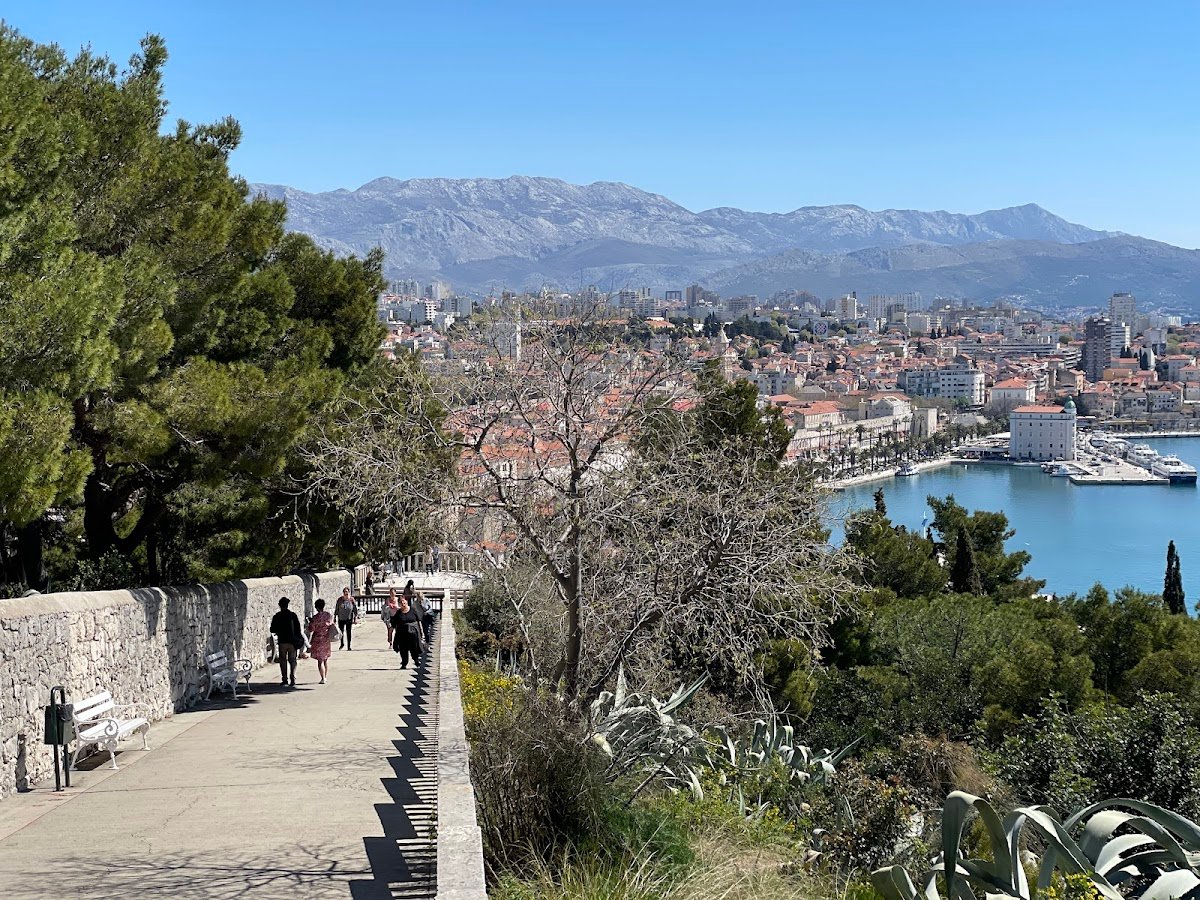
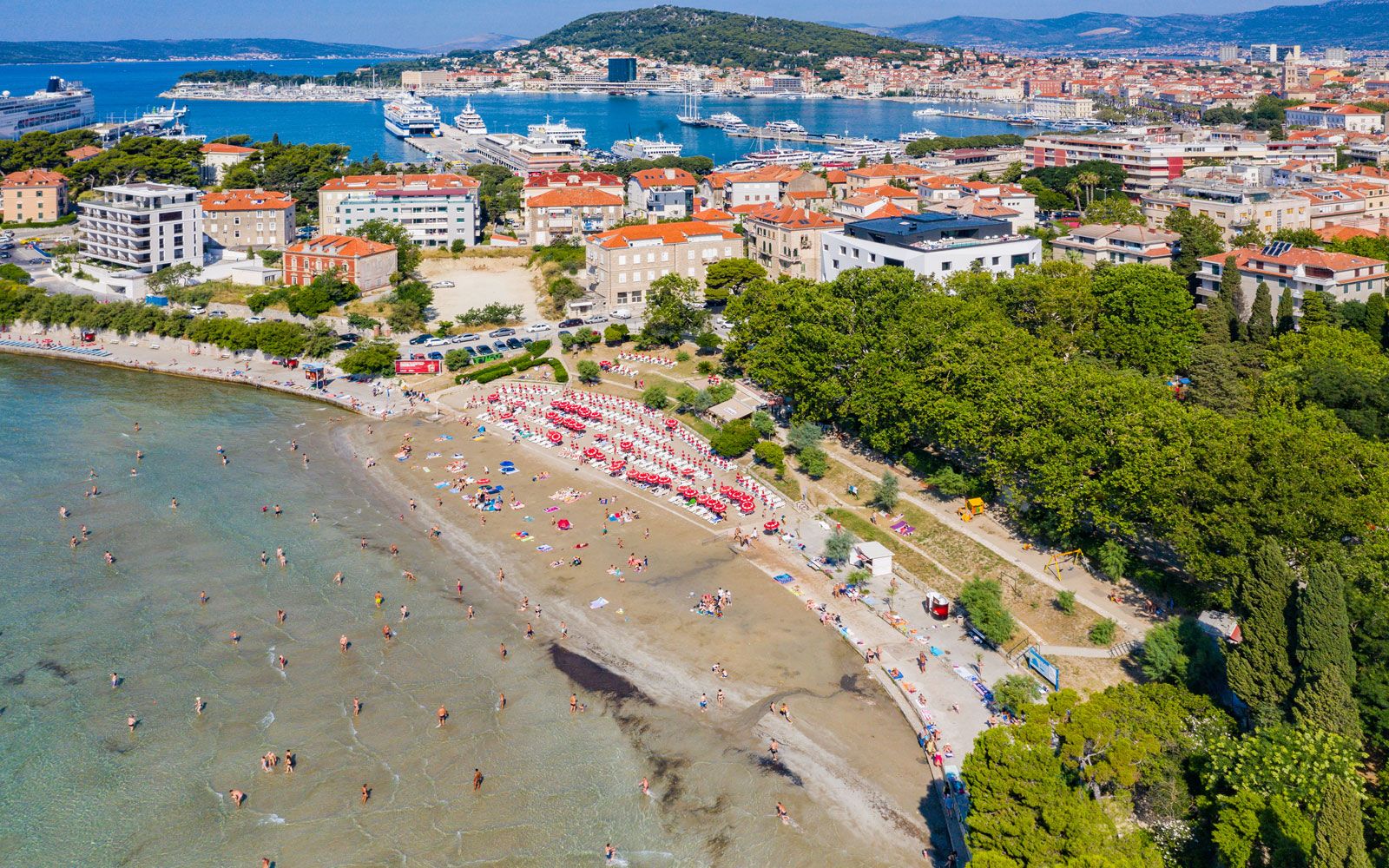
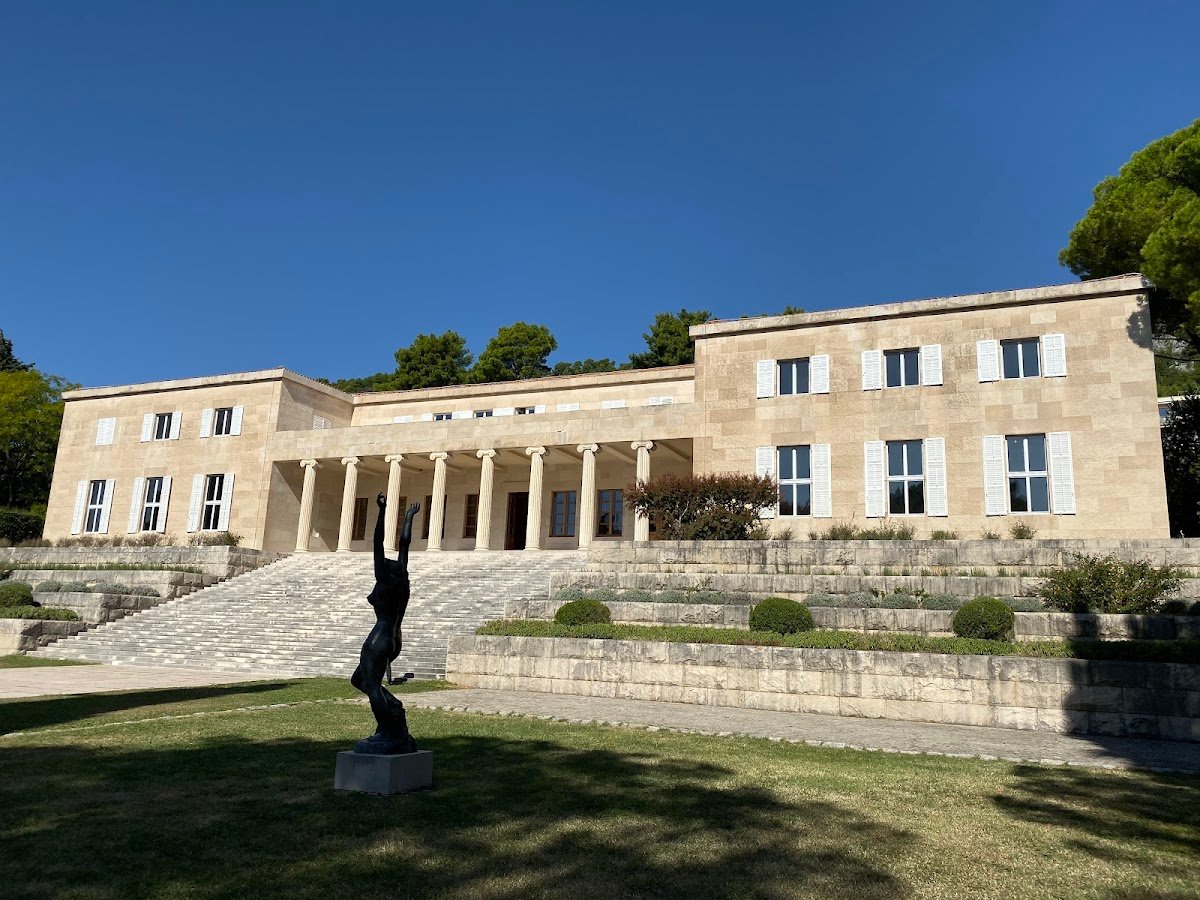
In the shade of ancient pine trees, hidden just away from Split’s busy harbor, the Natural History Museum and Split Zoo offer a peaceful green escape for families, students, and travelers. This unique destination connects science, animals, and local heritage in a compact area perfect for an easygoing half-day adventure. Between school trips and locals seeking weekend calm, this combined landmark blends accessible fun with some surprises that look beyond typical tourist fare.

Visiting Info

Currency
Entrance fee
Free
Hours
Opening hours
Monday: 8:00 AM – 4:00 PM
Tuesday: 8:00 AM – 4:00 PM
Wednesday: 8:00 AM – 4:00 PM
Thursday: 8:00 AM – 4:00 PM
Friday: 8:00 AM – 4:00 PM
Saturday: 8:00 AM – 4:00 PM
Sunday: 8:00 AM – 4:00 PM

Contact Information

Location
Address
Kolombatovićevo šetalište 2, 21000, Split, Croatia

Planning your visit

Planning ahead helps visitors make the most of their time at the Natural History Museum and Split Zoo. Located in Marjan Forest Park, getting there usually involves a short climb or a scenic walk. Bus and taxi services drop guests near the entrance, while determined walkers often combine this stop with other Marjan sights. Summer draws crowds from across Europe, but spring and autumn promise milder air and more personal space. Tickets for both attractions are purchased at the main entrance, and while no one feels rushed, some weekends see bursts of excited schoolchildren.

  • Best time to visit: Weekday mornings in spring or fall see fewer crowds and comfortable temperatures.
  • How to get there: Local bus line 12 stops nearby, or take a 20-minute uphill stroll from Split’s city center. Bike and taxi options remain available, with parking nearby for drivers.
  • Accessibility: Mostly flat paths suit families with strollers and visitors with limited mobility, but a few gravel trails in the zoo may prove less smooth.
  • Average visit duration: Two hours allow for a relaxed wander and short animal encounters. Add more time if combining with a broader Marjan Forest hike.
Must see stuff

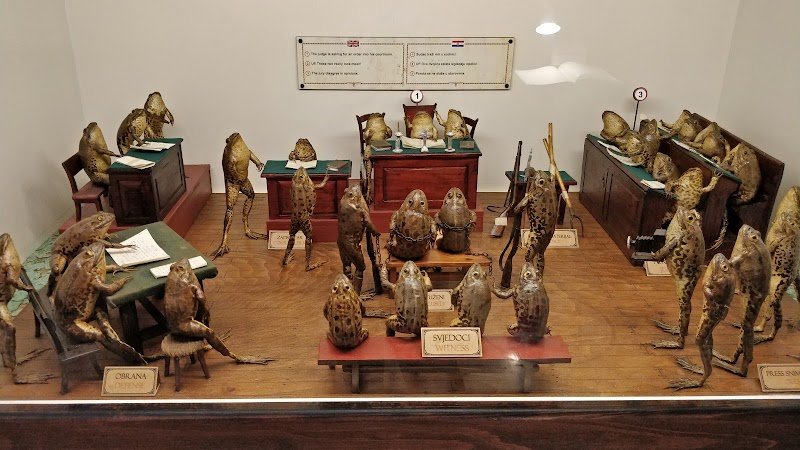
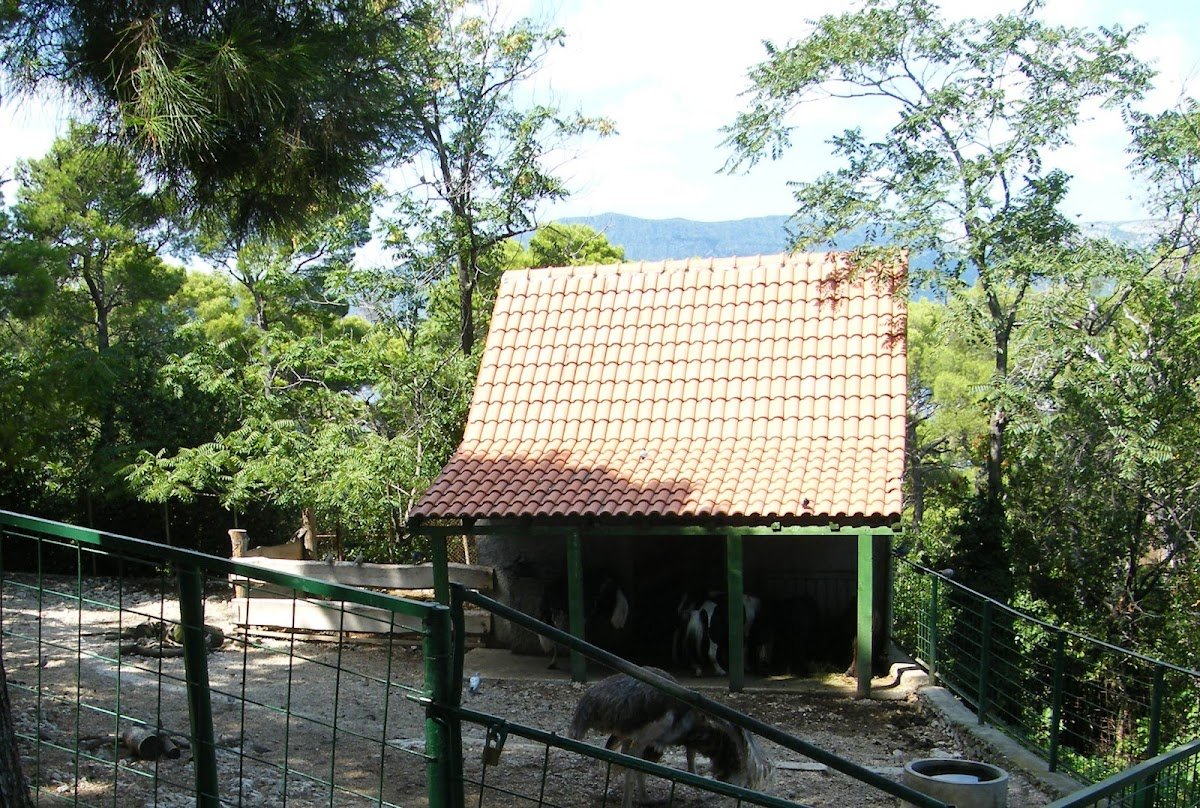
Even with modest size, the Natural History Museum and Split Zoo each tempt visitors with locally-focused displays and gentle surprises. The museum weaves through classic rooms filled with coral, fossils, and the region’s sea life, while the zoo’s leafy enclosures house rescued animals and Croatian farm breeds. A model of a dinosaur jaw greets guests at the museum’s entrance, hinting at a playful yet informative approach to science. In the animal area, peacocks strut freely and dwarf goats eagerly greet visitors, blurring the line between exhibit and encounter. Don’t skip the aquarium room or the old stone amphitheater, both favorite photo spots among young families and curious travelers alike.

  • Key sights or features: Dalmatian rock fossils, Adriatic fish tanks, live reptiles, and the zoo’s rescued birds of prey.
  • Unique experiences: Meet-the-goat feeding times in the zoo, hands-on touch stations in the museum, view of Marjan Forest from the upper path.
  • Photo-worthy locations: Side courtyard with historic statues, dinosaur model in the foyer, garden paths winding through animal pens.
  • Cultural or historical facts: The museum’s roots date to 1924, collecting Split’s unique geology; the zoo serves as a refuge for injured native animals rather than a showcase for exotics.

Tips for your visit

A bit of preparation makes the day run smoother and leaves visitors focused on discovery rather than logistics. Weekdays avoid bigger crowds, especially outside of local school holidays. Shoes with grip handle gravel paths in the animal park, and a refillable water bottle comes in handy—shade helps, but Split’s sun is relentless. Snacks are welcome outdoors, but feeding animals is only allowed during official sessions. Staff speak English and happily answer questions, though information signs sometimes lack depth or translations. The attractions rarely wow those seeking wild animals or grand spectacle; their charm lies in intimacy and a warm, community spirit.

  • Best times to avoid crowds: Early weekday mornings work best; avoid Friday afternoons and public holidays.
  • What to bring: Comfortable walking shoes, sunhat, light snacks, camera, and water bottle.
  • Local etiquette or rules: Only touch animals with a keeper present; keep noise low in museum rooms.
  • Safety or comfort advice: Watch young children near animal enclosures, and prepare for short stretches without shade.

Similar Attractions