Dihua Street

Dihua Street

Taipei, Taiwan

Dihua Street stands as one of Taipei’s most evocative historic neighborhoods, weaving tradition and modern life into a living, breathing showcase of Taiwanese heritage. Along this stretch, baroque facades and vibrant storefronts frame lanes where incense, tea, and herbal medicine have flourished for centuries. Shoppers and wanderers find the air rich with the warm aroma of roasting nuts, the sweetness of dried fruit, and the brisk steps of a community where everyday life continues much as it always has—only now sharing space with global visitors.

Visiting Info

Currency
Entrance fee
Free
Hours
Opening hours
Monday: 9:00 AM – 8:00 PM
Tuesday: 9:00 AM – 8:00 PM
Wednesday: 9:00 AM – 8:00 PM
Thursday: 9:00 AM – 8:00 PM
Friday: 9:00 AM – 8:00 PM
Saturday: 9:00 AM – 8:00 PM
Sunday: 9:00 AM – 8:00 PM

Contact Information

Location
Address
Section 1, Dihua St, Datong District, Taipei City, Taiwan 103

Planning your visit

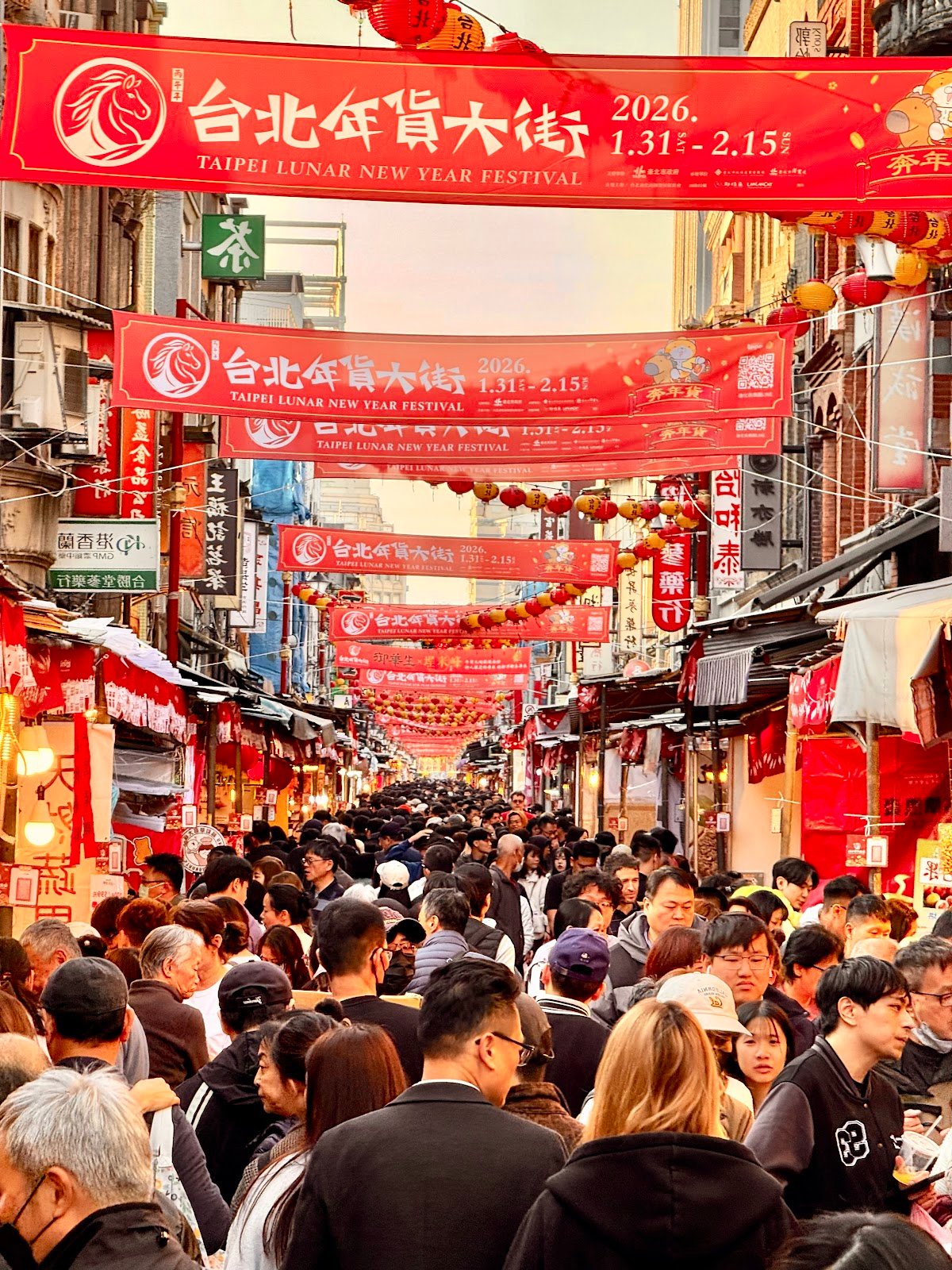
Arriving at Dihua Street requires a little thought, but preparation pays off in rich experiences. The area bustles most around the Lunar New Year when streets transform with crowds, decorations, and special market stalls. Autumn offers quieter walks and milder weather, letting the intricate shopfronts reveal their character at a gentler pace. Public transit places travelers within a short stroll, while taxis drop visitors at the heart of action. The neighborhood caters well to families and seniors, though some older walkways may prove narrow during busy hours. Expect to set aside at least half a day; longer if prepared to shop, photograph, and linger over tea.

  • Best time to visit: Late autumn weekdays or mornings throughout the year; avoid weekends near Chinese New Year for lighter crowds.
  • How to get there: Hop on the Taipei Metro’s Orange Line to Beimen Station or Daqiaotou Station, then walk 10-15 minutes. Taxis and some city buses also service the area.
  • Accessibility: Mostly flat; narrow sidewalks and busy crossings may be trickier for strollers and wheelchairs. Most shops welcome families and older travelers.
  • Average visit duration: 2-4 hours, though shopping and dining can stretch a visit to half a day or more.
Must see stuff

Dihua Street unfolds in sections, each home to historic lanes and fresh surprises. The southern end, closest to Taipei’s oldest district, showcases century-old dry goods shops. Storefronts and temples detail the architectural mix of Fujian and European influences, with grand archways and decorative tilework. Further north, designers and artists now occupy renovated houses, side by side with tea sellers who weigh oolong leaves under old wooden beams. Market life surges here in the run-up to Lunar New Year, but quieter months let visitors observe the subtle routines of daily trading and worship, unhindered by crowds.

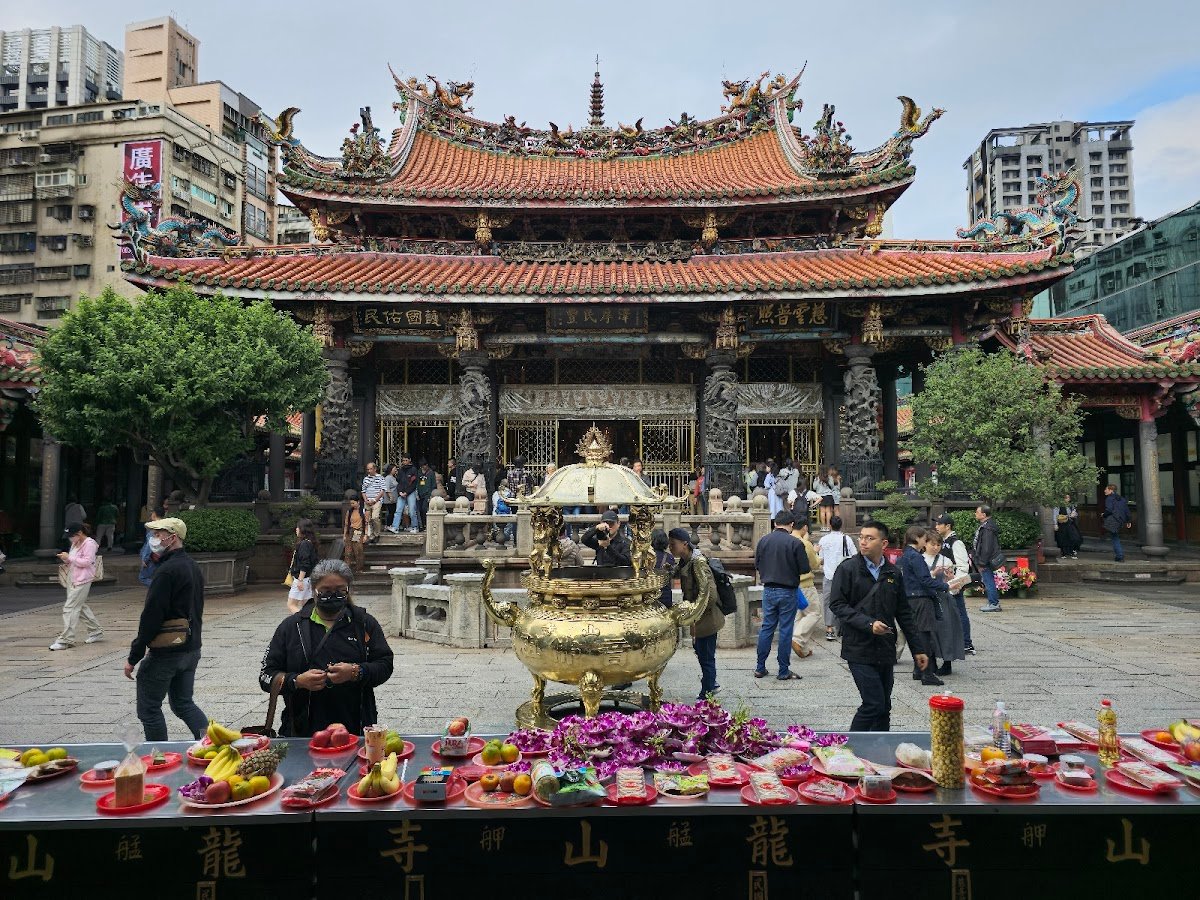
  • Key sights or features: The Yongle Market, Xiahai City God Temple, and restored baroque shophouses line the main route.
  • Unique experiences: Sampling herbal teas and traditional snacks, watching calligraphers and craftspeople at work, joining a hands-on DIY class (like lantern painting) at a local studio.
  • Photo-worthy locations: Red brick gateway arches at the north end, intricate shop signs, and the lantern-studded courtyard of the Xiahai City God Temple.
  • Cultural or historical facts: The street was central in Taipei’s tea and fabric trade, and many current shops are run by descendants of original merchants. During the Qing dynasty, this zone formed the beating heart of commerce in northern Taiwan.

Tips for your visit

Exploring Dihua Street at its best combines curiosity with practical comfort. Early arrival ensures quieter photos and friendlier chats with shopkeepers, while light clothing and sturdy shoes help on humid days. Small eateries offer authentic local dishes, but lines sometimes stretch out the door at peak lunch hours. Modest bargaining is expected in market stalls, though fixed prices now appear in cafés and modern boutiques. Mind traffic when crossing side lanes—scooters and trucks sometimes squeeze by, and heavy rains may make tiled sidewalks slick in places. With these tips, discovery becomes less rushed, more attentive, and noticeably smoother.

  • Best times to avoid crowds: Weekday mornings or afternoons, outside festival periods.
  • What to bring: Camera, reusable shopping bag, bottled water, good walking shoes, and cash for small purchases; not all shops accept cards.
  • Local etiquette or rules: Greet shopkeepers, avoid loud voices around temples, and ask before taking close-up photos of people at work or worship.
  • Safety or comfort advice: Watch slippery tiles during or after rain, keep valuables secure in busy market areas, and take occasional indoor breaks to cool down on hot days.

Similar Attractions