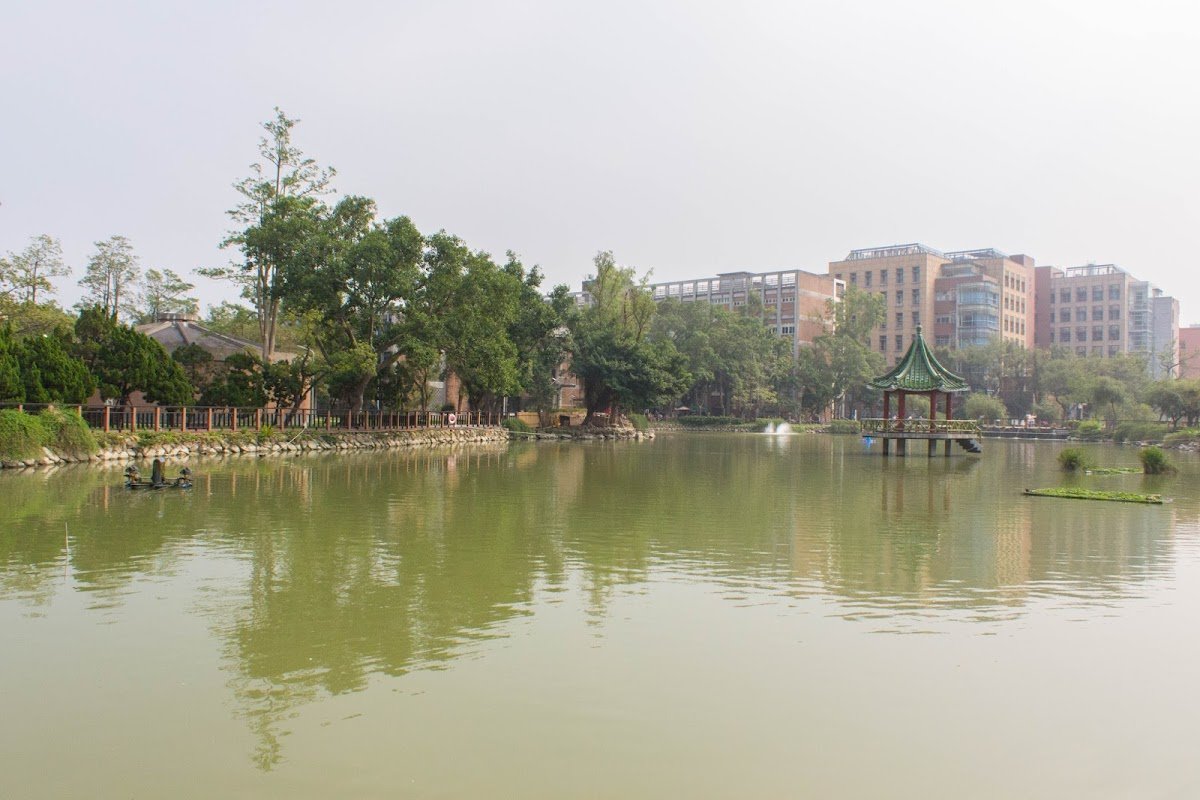
Drunken Moon Lake

Drunken Moon Lake

Taipei, Taiwan
i

Drunken Moon Lake

Photo by 醉月湖

Calm waters reflecting the silhouettes of arched bridges and curling willows welcome visitors to Drunken Moon Lake. Tucked amid the creative buzz of National Taiwan University, this tranquil spot evokes both old Chinese poetry and the lively rhythms of modern Taipei student life. Visitors searching for natural beauty, cultural depth, or simple quiet moments will find Drunken Moon Lake a memorable stop in Taiwan's bustling capital.

Visiting Info

Currency
Entrance fee
Free
Hours
Opening hours
Monday: Open 24 hours
Tuesday: Open 24 hours
Wednesday: Open 24 hours
Thursday: Open 24 hours
Friday: Open 24 hours
Saturday: Open 24 hours
Sunday: Open 24 hours

Contact Information

Location
Address
No. 1, Section 4, Roosevelt Rd, Da’an District, Taipei City, Taiwan 10617

Planning your visit

Planning a trip to Drunken Moon Lake is simple and rewarding, whether for an afternoon stroll or as part of a deeper study of Taipei's hidden gems. The lake lies inside National Taiwan University's campus, accessible by public transportation and walkways lined with lush trees and quirky art installations. Some days draw crowds of students, joggers, and couples, especially when the weather cools. Most visitors find it works as a half-day adventure or a quick escape from city life.

  • Best time to visit: Late afternoon or early evening, spring and autumn for cooler temperatures and cherry blossoms or golden leaves.
  • How to get there: Take the Taipei MRT to Gongguan Station (Green Line), use Exit 3, and walk about 10 minutes through the university campus.
  • Accessibility: Smooth paths make the area accommodating for families with strollers, people in wheelchairs, and seniors. Some unpaved trails may be muddy after rains.
  • Average visit duration: 1 to 2 hours for a leisurely walk, more if exploring nearby university museums or tea shops.

Must see stuff

The lake’s charm lies not only in its reflective water but also in its surrounding features. Ancient-style bridges, winding stone paths, and pop-up student performances create a blend of old-world decor and youthful energy. Trees overhanging the water offer pockets of shade, while distant city sounds soften as visitors drift deeper into the lakeside ambiance. Beyond the obvious sights, small islands and shoreline gardens hide benches and short trails ideal for quiet reading or people-watching.

  • Key sights or features: The moon-shaped “Drunken Moon” bridge, willow groves, lotus ponds, and dragon-shaped stone sculptures.
  • Unique experiences: Catching student musicians on weekends, bird watching in early mornings, practicing tai chi with locals at sunrise, or enjoying the lake by lantern light during campus festivals.
  • Photo-worthy locations: The classic arched bridge with the city skyline as a backdrop; reflections of trees on still mornings; blossoms trailing the water in spring; autumn’s gold leaves around the lake edges.
  • Cultural or historical facts: Drunken Moon Lake was designed to reflect the poetic landscapes of traditional Chinese art, serving as both a contemplative space for students and a popular spot for graduation photos. The name refers to the way the moon's reflection flutters and ‘drifts’ along the water’s surface—a favorite image in Chinese poetry.

Tips for your visit

To make the most out of a trip to Drunken Moon Lake, a bit of local knowledge helps. Crowds thicken during university events or before major exams when students seek good-luck selfies, while quiet mornings encourage more reflective wandering. Umbrellas provide shelter from rain or intense sun, and street food at the edge of campus offers on-the-go snacks. While the lake feels peaceful, bicyclists and joggers move quickly on nearby paths, so stay aware on busier days. Mosquito repellent helps in the warmer months, and polite respect for students using the space ensures a friendly experience for everyone.

  • Best times to avoid crowds: Early mornings on weekdays or after 5 p.m. when most students leave class.
  • What to bring: A camera or smartphone, reusable water bottle, umbrella, light snack, and good walking shoes.
  • Local etiquette or rules: Keep voices low, avoid blasting music, don’t feed koi fish, and follow posted signs for photography restrictions near student study areas.
  • Safety or comfort advice: Watch for slippery path sections after rain, stay clear of deep water edges, and secure belongings as many students pass through daily.

Similar Attractions