Google Places photo

Mother of Georgia

Tbilisi, Georgia
i

Google Places photo

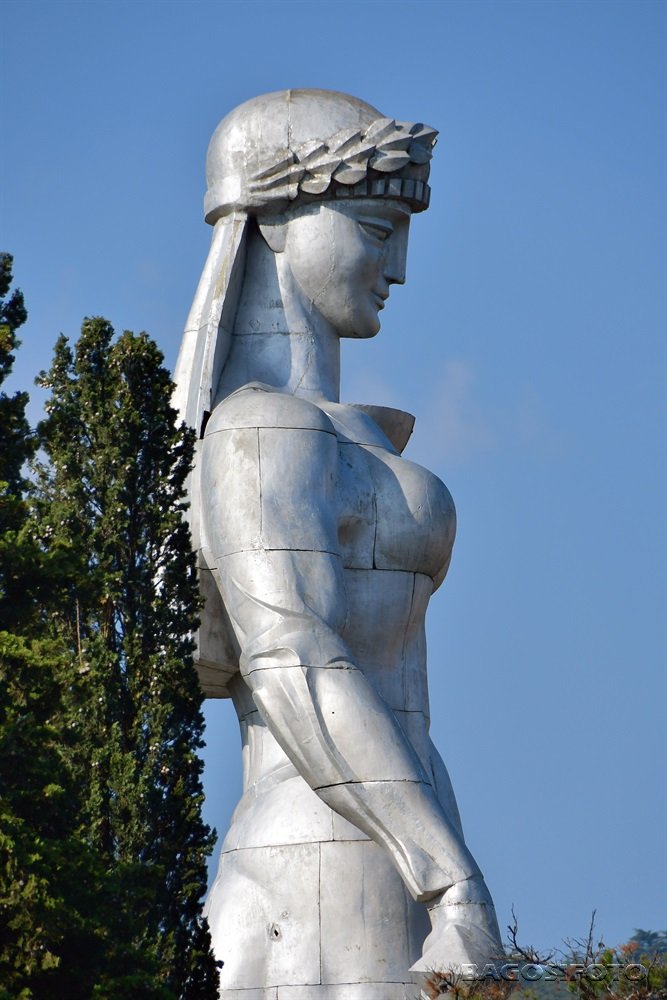
Photo by Zoltán Bagosi

High above Tbilisi, watching the city stretch along the banks of the Mtkvari River, rises the silent silhouette of the Mother of Georgia. This monumental statue—Kartlis Deda in Georgian—looks out from Sololaki Hill, serving as both a warm welcome and a stoic guardian to locals and visitors alike. Her sword and cup hint at Georgia’s spirited blend of hospitality and resilience, yet it’s the experience of standing in her shadow, with the wind brushing ancient stones and city sounds drifting upward, that leaves the deepest mark.

Visiting Info

Currency
Entrance fee
Free
Hours
Opening hours
Monday: Open 24 hours
Tuesday: Open 24 hours
Wednesday: Open 24 hours
Thursday: Open 24 hours
Friday: Open 24 hours
Saturday: Open 24 hours
Sunday: Open 24 hours

Contact Information

Location
Address
სოლოლაკის ქედი, Sololaki St, T'bilisi, Georgia

Planning your visit

Reaching Kartlis Deda is a highlight in itself, with panoramic cityscapes unfolding on the journey up Sololaki Hill. Travelers typically combine a visit to the statue with exploring Tbilisi’s charming Old Town below. Crowds thin in the early morning and late evening, allowing for restful contemplation or the cliché-perfect sunset photo. The path can be steep and, when the sun blazes, surprisingly sweaty—but the reward is well worth the effort. While no tickets are required, practical planning ensures a visit feels less like a hurried checklist, more like a true adventure.

  • Best time to visit: Spring and autumn offer mild temperatures and lush scenery; sunset rewards with golden light and dreamy views, while early mornings provide solitude.
  • How to get there: Walk from Old Town via the narrow streets of Sololaki; take the scenic funicular to Narikala Fortress and follow the marked path, or hail a taxi for an easier ascent.
  • Accessibility: The steep climb is challenging for strollers, wheelchairs, or those with limited mobility. The funicular eases the journey, though final paths remain uneven.
  • Average visit duration: Plan for 1 to 2 hours—including the hike, time for photos, and spots to linger on your way up or down.

Must see stuff

The Mother of Georgia dominates the Tbilisi skyline, but exploring her surroundings brings unexpected delights. Close by, the ancient walls of Narikala Fortress beckon; nearby trails snake through lush, forested parks, and distant rooftops glint where old homes cluster along the hillside. Street-side murals and small religious shrines peek out from corners, while city residents picnic or sip coffee on hidden benches among the pines. The statue itself rises almost 20 meters, its sculpted features as striking today as when first unveiled in 1958. There’s drama—yes—but plenty of human moments among the stones and moss as well.

  • Key sights: Kartlis Deda statue, Narikala Fortress, and city panoramas stretching from the Peace Bridge to Mtatsminda Mountain.
  • Unique experiences: Catching the city at golden hour, walking the leafy trail past wild pomegranates, finding a view where rust-colored rooftops tumble down to the river.
  • Photo-worthy locations: Steps beside the statue for the classic city view; corners near the fortress for dramatic sunset shots; hidden paths lined with wildflowers for something quieter.
  • Cultural facts: The statue’s right hand offers wine—a symbol of welcome; the left wields a sword, representing Georgia’s determination to defend itself. Locals often hang traditional ribbons or dried flowers on the fencing, especially during spring holidays.

Tips for your visit

A visit to Kartlis Deda means trading bustling streets for leafy hills and open sky. The climb can leave visitors breathless, and summer heat is not for the faint of heart. Basics like water, comfortable shoes, and sun protection make a world of difference. Travelers should remember that the site—while less formal than a museum—is still a symbol of Georgian pride, so respectful behavior is noticed and appreciated. Occasional vendors offer refreshments, but don’t count on snacks or restrooms at the top. Local residents sometimes wander the area with their families, especially in the evenings; a friendly greeting or quiet nod goes a long way.

  • Best times to avoid crowds: Arrive before 10 am or after sundown for a more peaceful experience.
  • What to bring: Water, camera, walking shoes with good grip, a hat or sunscreen, and—if sunset is your aim—a light layer for cool breezes.
  • Local etiquette: Keep voices low, respect traditional ribbons or offerings, avoid climbing on fences or railings.
  • Safety and comfort: Trails are uneven and sometimes slippery after rain; keep an eye on footing, especially with young children or seniors.

Similar Attractions