Google Places photo

Tbilisi History Museum

Tbilisi, Georgia
i

Google Places photo

Photo by Yu Yan

Set at the intersection of hidden alleyways and grand avenues in Tbilisi’s famed Old Town, the Tbilisi History Museum quietly weaves the city’s complex story into stone and artifact. Both a keeper of treasures and a meeting point for everyday Georgians, the museum stands as a window into centuries of tradition, resilience, and reinvention. Here, future architects sketch next to ancient coins, while locals pause before displays of household pottery. Lively with echoes of merchants and monarchs, the museum offers both the thrill of discovery and the comfort of homegrown history—one artifact at a time.

Visiting Info

Currency
Entrance fee
10 GEL
Hours
Opening hours
Monday: Closed
Tuesday: 10:00 AM – 6:00 PM
Wednesday: 10:00 AM – 6:00 PM
Thursday: 10:00 AM – 6:00 PM
Friday: 10:00 AM – 6:00 PM
Saturday: 10:00 AM – 6:00 PM
Sunday: 10:00 AM – 6:00 PM

Contact Information

Location
Address
8 Sioni St, T'bilisi, Georgia

Planning your visit

Though tucked away in the lively Erekle II Street, the Tbilisi History Museum remains easy to reach thanks to Tbilisi’s excellent transit system and walkable city core. Open year-round, the museum sees peak foot traffic during weekends and summer afternoons, when both tourists and locals crowd its halls. Lines at entry are rare, but guided tours can fill quickly. Most displays feature both Georgian and English, welcoming global travelers and curious children alike. Tickets are affordable, but cash works best over card. The museum building, a renovated caravanserai, marries old-world charm with modern comforts, though some upper floors require a climb.

  • Best time to visit: Early morning on weekdays (April–June or September–October offer mild weather and fewer crowds).
  • How to get there: Walk from Liberty Square Metro Station (about 10 minutes), or take a taxi to Erekle II Street in the heart of the Old Town.
  • Accessibility: Ramp access at the main entrance; some upper galleries may be difficult for those with mobility challenges.
  • Average visit duration: 1.5 to 2 hours for main exhibits; longer if attending special events or tours.

Must see stuff

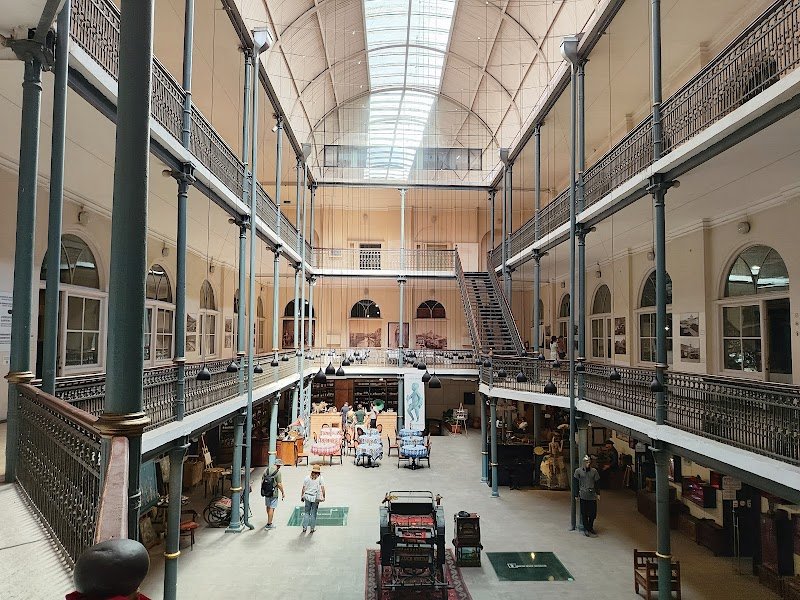
Step beyond the threshold, and layered centuries reveal themselves in galleries that flow from Roman mosaics to Soviet relics. Each floor offers a fresh perspective on Tbilisi’s ever-shifting fortunes: blackened merchant scales, Orthodox icons, and embroidered wedding veils. The centerpiece—a vast caravanserai courtyard—once welcomed Silk Road traders and still hums with temporary art exhibitions and seasonal folk concerts. Intricately carved balconies frame sunlight, while glass cases tell the region’s fraught and festive stories. Whether marveling at Bronze Age axes or glimpsing faded family portraits, visitors sense the heartbeat of Tbilisi in every corner.

  • Key sights: Caravanserai courtyard; Gold jewelry and weaponry from the Trialeti Culture; Soviet-era propaganda posters.
  • Unique experiences: Participate in craft workshops (check schedule); catch an impromptu piano performance in the foyer.
  • Photo-worthy locations: The spiral wooden staircase; stained-glass windows facing Erekle II Street; courtyard murals.
  • Local history facts: The building itself served as a hub for merchants in the 17th century and survived the 1795 Persian invasion.

Tips for your visit

A few simple steps turn a museum stop into a story worth telling. Well-worn cobblestones mean comfortable shoes give the best chance of lasting through hidden passages and temporary exhibitions. While photographs are allowed in most areas, flash is forbidden to preserve delicate artifacts. Friendly docents offer extra details—don’t hesitate to ask about lesser-known objects or upcoming workshops. Locals enjoy gathering in the courtyard cafe, where the coffee is strong and the conversation even stronger. As the afternoon light slants through colored glass, visitors realize the real secret of the Tbilisi History Museum: history in Georgia is not only treasured, but truly lived.

  • Best times to avoid crowds: Arrive soon after opening or during late afternoons on weekdays.
  • What to bring: Sturdy shoes; small water bottle (no snacks allowed inside galleries); camera (no flash); notebook for sketching or notes.
  • Local etiquette: Quiet voices near ongoing tours; ask before photographing visitors or staff; respect roped-off areas.
  • Safety/comfort: Some temperature shifts between sunny courtyard and cool galleries; step carefully on historic, uneven stairs.

Similar Attractions

Tbilisi History Museum – Tickets, Hours & Visitor Guide