Centro de Arte Hortensia Herrero (CAHH)

Centro de Arte Hortensia Herrero (CAHH)

Valencia, Spain
i

Centro de Arte Hortensia Herrero (CAHH)

Photo by Javier Carpintero

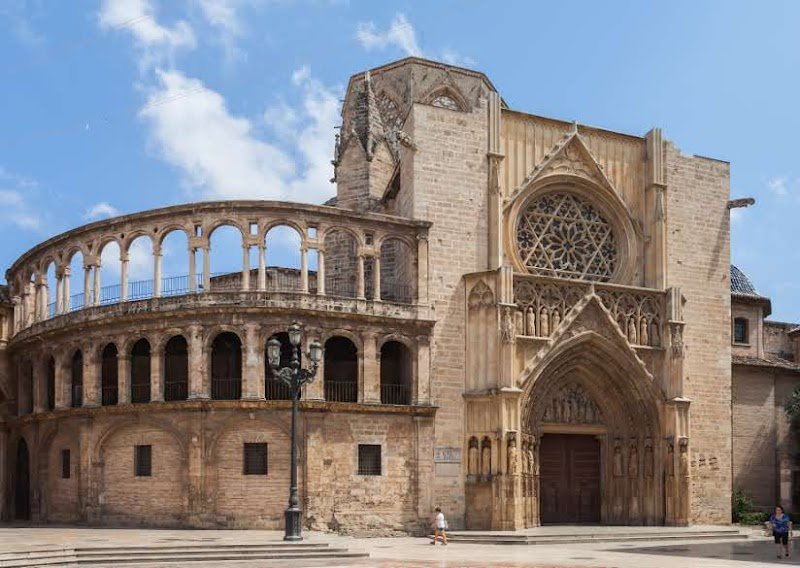
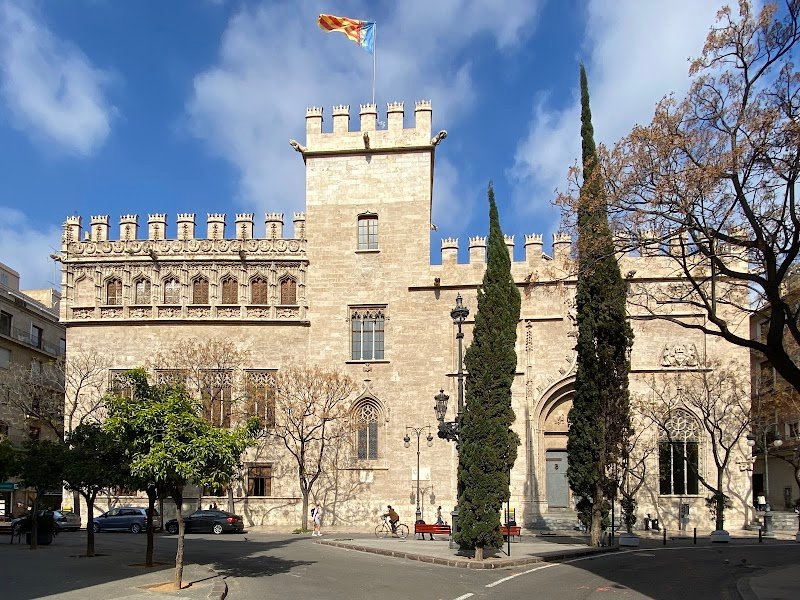
Contemporary art finds a striking new home at the Centro de Arte Hortensia Herrero (CAHH), where modern creativity lives inside Valencia’s rich past. This cultural landmark in the heart of the old city invites visitors to wander through thoughtfully curated galleries, admire restored architecture, and become absorbed in the vibrant energy of Spain’s evolving art scene. With centuries-old walls now framing cutting-edge installations, CAHH creates a unique meeting place for local life, artistic vision, and curious travelers alike.

Visiting Info

Currency
Entrance fee
12 EUR
Hours
Opening hours
Monday: Closed
Tuesday: 10:00 AM – 8:00 PM
Wednesday: 10:00 AM – 8:00 PM
Thursday: 10:00 AM – 8:00 PM
Friday: 10:00 AM – 8:00 PM
Saturday: 10:00 AM – 8:00 PM
Sunday: 10:00 AM – 3:00 PM

Contact Information

Location
Address
C. del Mar, 31, Ciutat Vella, 46003 València, Valencia, Spain

Planning your visit

Anyone wishing to experience CAHH at its best should plan ahead. The landmark draws both seasoned art lovers and those simply looking to soak in Valencia’s creative spirit. Valencia’s climate allows year-round visits, but mornings in spring or autumn feel cooler, less crowded, and more relaxed. The old town location ensures easy access by foot, bike, or public bus, with nearby stops and gentle, navigable streets for strollers or wheelchairs. Tickets can be purchased online, helping to skip lines that sometimes form during weekends or holidays. Expect a blend of international tourists, local students, and fellow art fans sharing the airy galleries and shady courtyard.

  • Best time to visit: Mid-morning during weekdays, especially in spring or autumn for pleasant temperatures and thinner crowds.
  • How to get there: CAHH sits in Valencia’s historic center, within easy walking distance from Plaça de la Reina. Bike hire, local buses, or taxis drop off just steps away.
  • Accessibility: Ramps and elevators give access to all main areas, and staff can assist visitors with limited mobility or young children.
  • Average visit duration: About 1.5 to 2.5 hours, depending on how deeply each exhibit is explored.
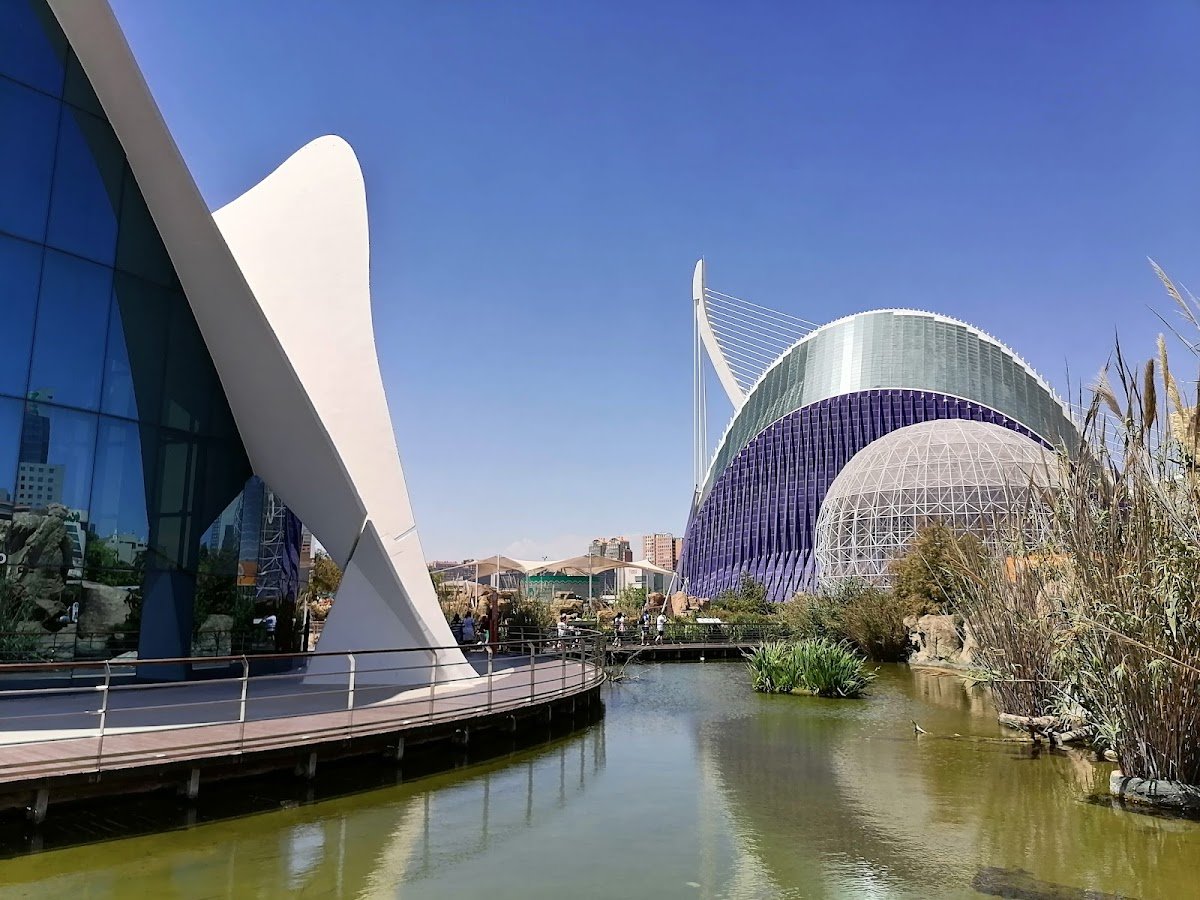
Must see stuff

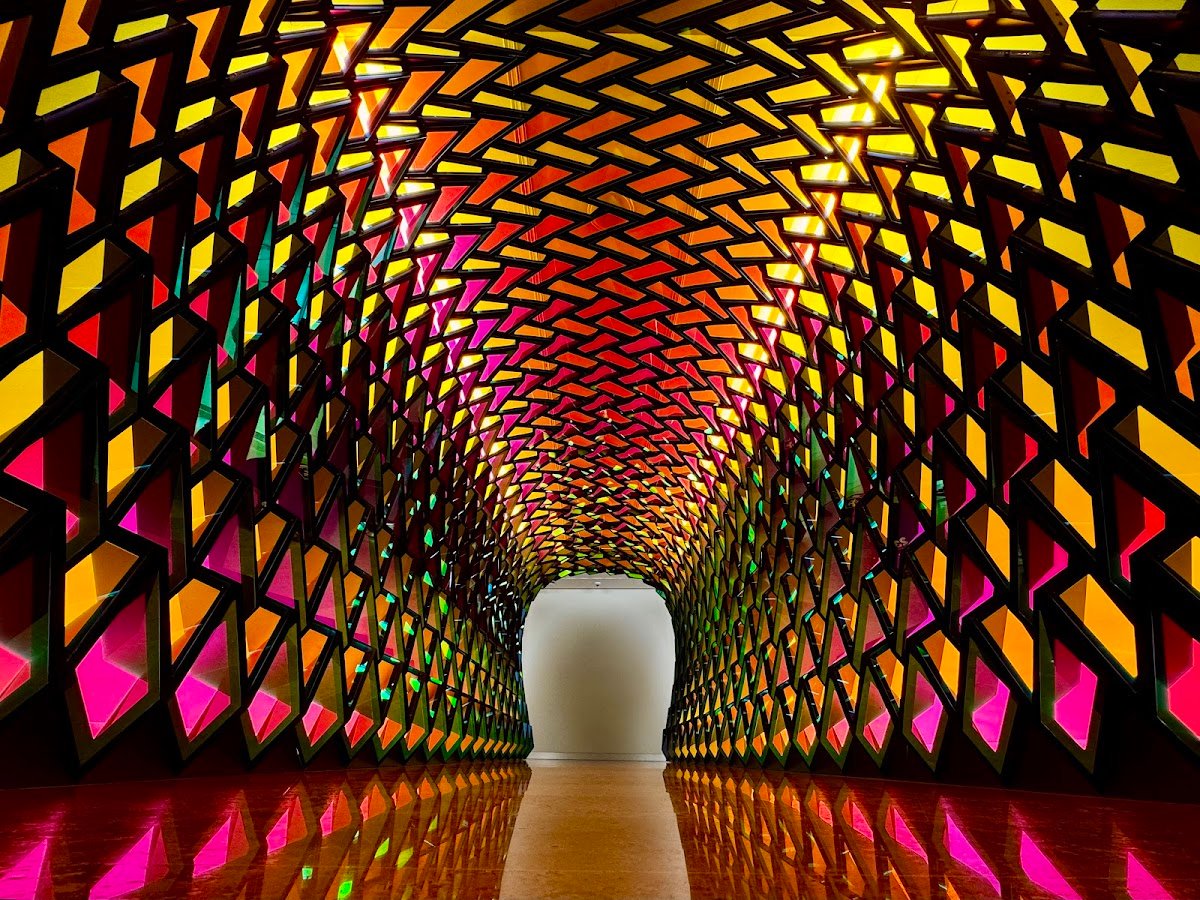
Stepping into CAHH, visitors find a thoughtfully restored palace hiding striking contemporary exhibitions. The interplay of old stonework with colorful, often playful artwork surprises at every turn. Permanent collections showcase Spanish and international artists, with paintings, sculpture, and multimedia pieces arranged to spark curiosity. Pop-up installations and rotating exhibitions bring energy and unpredictability—something new nearly every month. Outside, an inner courtyard offers sunlight and quieter moments among sculptures or live music when events are held. The elegant grand staircase, once used by nobility, now draws the eye and the camera; its light draws visitors upward to quieter, more intimate galleries.

  • Key sights or features: The grand staircase, vaulted ceilings, and restored frescoes framing galleries of contemporary Spanish and global art.
  • Unique experiences: Special events such as evening lectures, community workshops, and artist talks, along with hidden corners showing interactive or site-specific art.
  • Photo-worthy locations: Sun-dappled courtyard, the marble stairway, dramatic upper-floor views toward Valencia’s gothic rooftops.
  • Cultural or historical facts: The building blends 17th-century elements with sleek modern design, symbolizing Valencia’s embrace of change anchored in tradition. A portion of profits supports new art initiatives throughout the region.

Tips for your visit

Knowledgeable travelers find CAHH even more rewarding with a little preparation. Early arrival often brings quieter galleries, and late afternoons may allow for more relaxed exploring after the main tour groups leave. Comfortable shoes are a must, as cobbled outside streets and polished gallery floors encourage wandering. While the museum is family-friendly, some installations may challenge younger children’s attention spans. Friendly staff offer guidance and know about hidden gems and less-busy corners. Keep in mind that photos are allowed in public spaces but sometimes restricted in temporary shows; always ask if unsure. A small café nearby provides refreshments, but bringing a water bottle helps on hot days.

  • Best times to avoid crowds: Tuesday or Wednesday mornings, or just before closing time.
  • What to bring: Water, camera, and sturdy walking shoes for both galleries and the historic district outside.
  • Local etiquette or rules: Soft voices create a peaceful atmosphere; respect any photography restrictions and do not touch artwork or displays.
  • Safety or comfort advice: The building stays cool, but outdoor courtyards can be hot in summer. Sun hats and sunglasses help during warm months.