Google Places photo

St John's Co-Cathedral Museum

Valletta, Malta
i

Google Places photo

Photo by Artur Grzegorzek

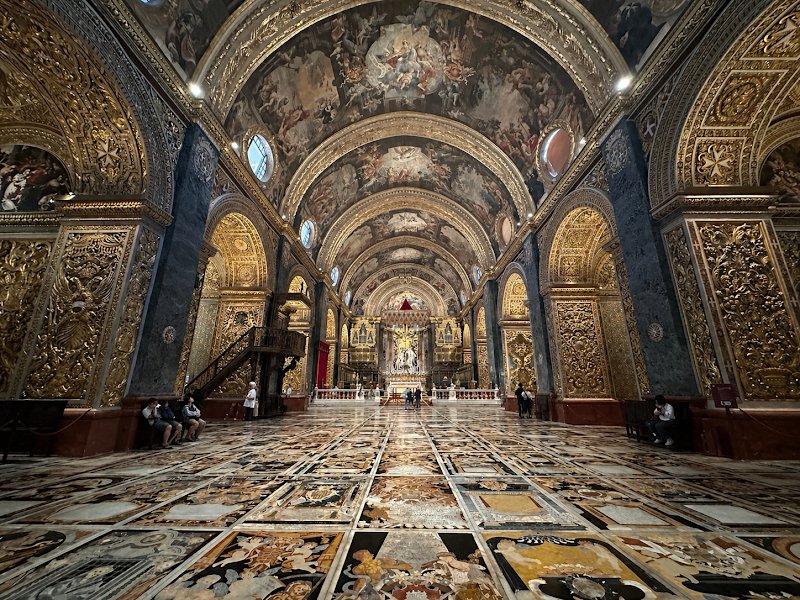
For those drawn to grand art, silent stone, and layered history, St John's Co-Cathedral Museum delivers a sense of wonder that sweeps through centuries. Cloaked in carved limestone, the museum holds some of the Mediterranean's most dazzling treasures. Here, the hum of footsteps and whispered awe echo a story of faith, artistry, and pride—offering a visit that is both eye-opening and deeply rooted.

Visiting Info

Currency
Entrance fee
15 EUR
Hours
Opening hours
Monday: 9:00 AM – 4:45 PM
Tuesday: 9:00 AM – 4:45 PM
Wednesday: 9:00 AM – 4:45 PM
Thursday: 9:00 AM – 4:45 PM
Friday: 9:00 AM – 4:45 PM
Saturday: 9:00 AM – 4:45 PM
Sunday: Closed

Contact Information

Location
Address
VGX6+6W7, Republic St, Valletta, Malta

Planning your visit

St John's Co-Cathedral Museum sits at the heart of Valletta, welcoming both newcomers and locals who crave a brush with Malta's past. Planning ahead helps avoid the busiest moments. Summers bring crowds, especially when cruise ships arrive. Autumn afternoons and early mornings remain friendlier times for quiet discovery. Most guests wander for about an hour and a half, but those spellbound by art often linger longer. The cathedral stands close to the main city gate, so buses, taxis, and ferries offer easy access. Reserving a ticket online is wise, especially on weekends and holidays.

  • Best time to visit: Late autumn through spring; weekdays and early mornings for fewer crowds
  • How to get there: Arrive by public bus from Sliema, Rabat, or the Three Cities; taxis drop off beside Republic Street's entrance; Valletta's main ferry terminal stands a 10-minute walk away
  • Accessibility: Main nave and museum areas provide level floors, but a few small steps appear around the chapels; dedicated assistance for wheelchairs is available at the entrance; children are welcome with respectful supervision
  • Average visit duration: 90 minutes for main sights; add thirty minutes for audioguide tours or quiet reflection

Must see stuff

Every visit to St John's Co-Cathedral Museum opens with floors stitched in marble mosaics, each marking the resting place of a knight or noble. The gilded ceiling glows under hundreds of painted saints and stories—soaring above with the drama of high Baroque. In quieter corners, rare tapestries and relics await. The world-famous Caravaggio, "The Beheading of Saint John the Baptist," dominates the Oratory’s shadowy walls for those eager to see art at its most raw and powerful. Smaller chapels reveal stunning craftsmanship and a quieter reverence easily missed on a hurried tour. Serious students of history will want to linger by the grand procession armor and the silver-gilt treasures glimmering in glass cases.

  • Key sights or features: Main nave with golden arches and marble tombstones; Oratory housing Caravaggio's masterpiece; Chambers lined with tapestries and ceremonial weapons
  • Unique experiences: Audioguide tours that bring lives of medieval knights to life; behind-the-scenes glimpses on select special tours
  • Photo-worthy locations: Gilded choir stalls, ornate altar, and the dramatic entrance hall; the intricate ceiling for those with a steady hand
  • Cultural or historical facts: Built by the Knights of St John in the late 1500s; site of celebrations, funerals, and secret councils for centuries; famed for containing relics of patron saints and artistic innovations that shook Europe

Tips for your visit

A bit of planning and respect make a trip to the museum relaxed and meaningful. Because of the church's religious role, modest clothing (shoulders and knees covered) remains a rule. School groups cluster around exhibits in late mornings and early afternoons, so quiet moments often greet early risers or late afternoon visitors. Floors can be slick in winter months—comfy shoes grip best on polished marble. Photography is allowed without flash, but tripods and lights are not. Staff members often answer questions about exhibits, keen to share stories behind lesser-known artifacts. Expect a short queue during high season, but shaded entrances help on sunny days. Those needing quiet spaces will find benches in less crowded side chapels.

  • Best times to avoid crowds: Arrive before 10 am or after 3 pm; autumn and winter are less busy
  • What to bring: Small camera, refillable water bottle, walking shoes with good grip, and a light sweater for cooler months
  • Local etiquette or rules: Speak softly, silence phone notifications, and dress respectfully to match the spiritual setting
  • Safety or comfort advice: Watch for uneven stone and polished areas; use benches if in need of a rest; accessible restrooms stand near the main entrance