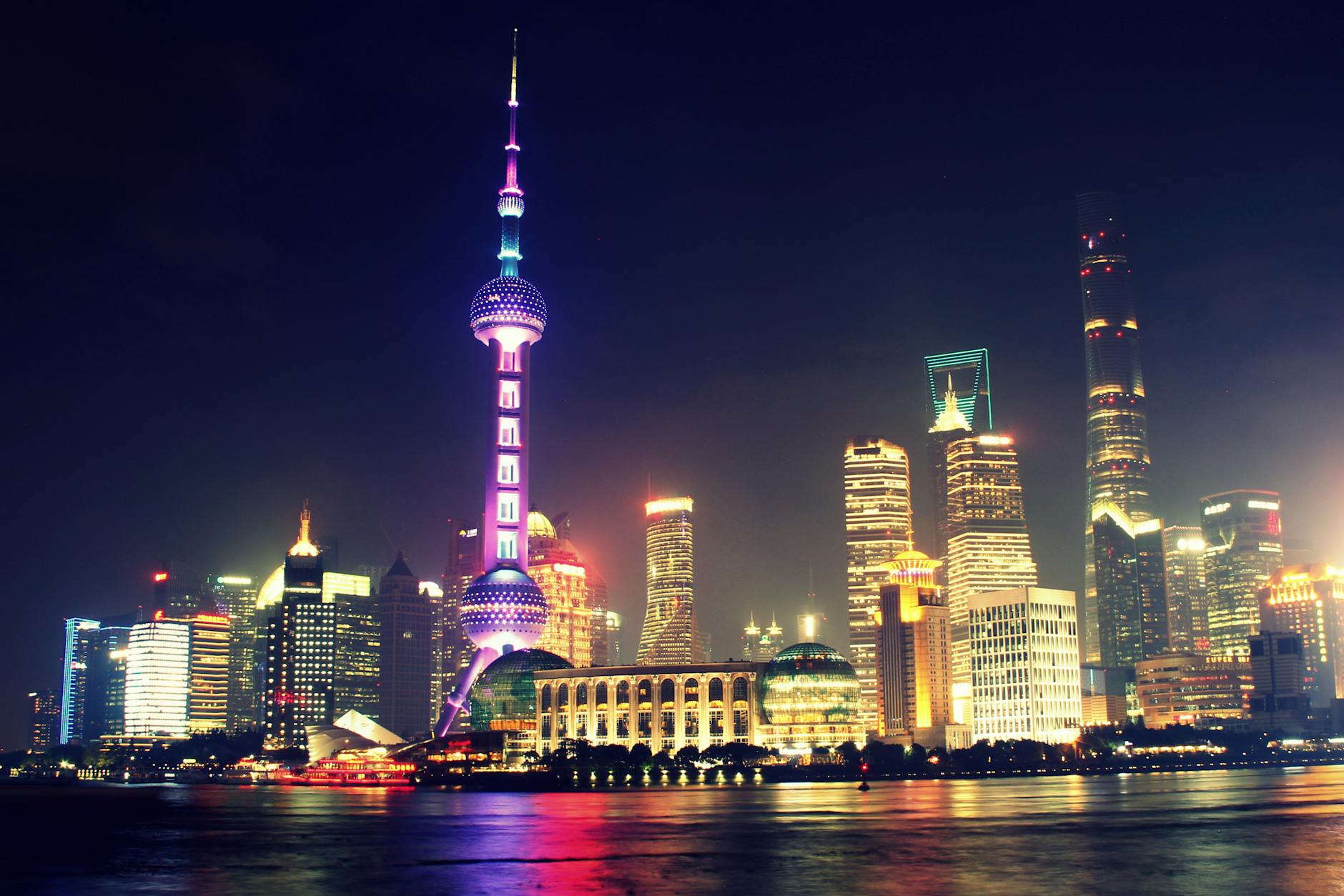
Vibrant nighttime view of Shanghai's iconic skyline featuring the illuminated Oriental Pearl Tower.
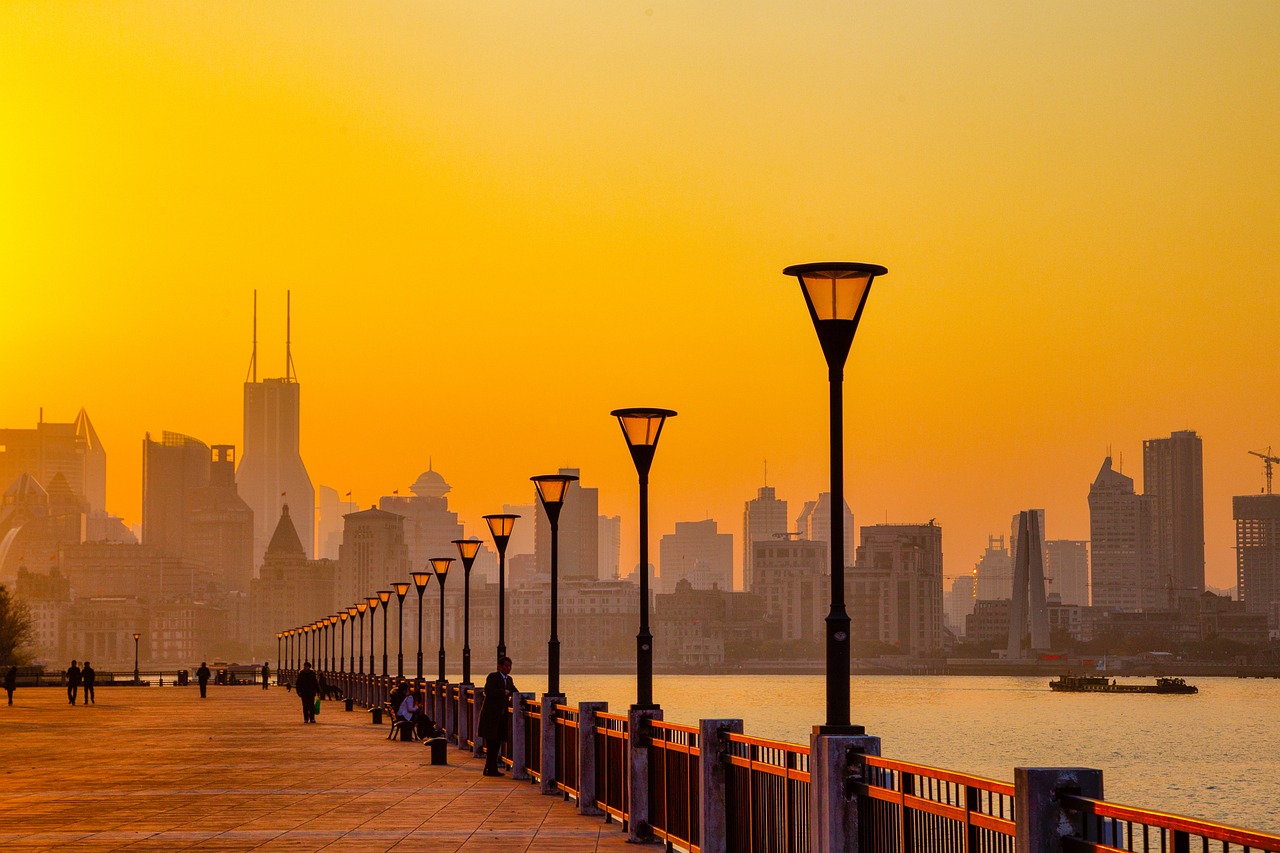
huangpu river, pudong, shanghai, china, nature, cityscape, sunset, afterglow, city, skyline, buildings
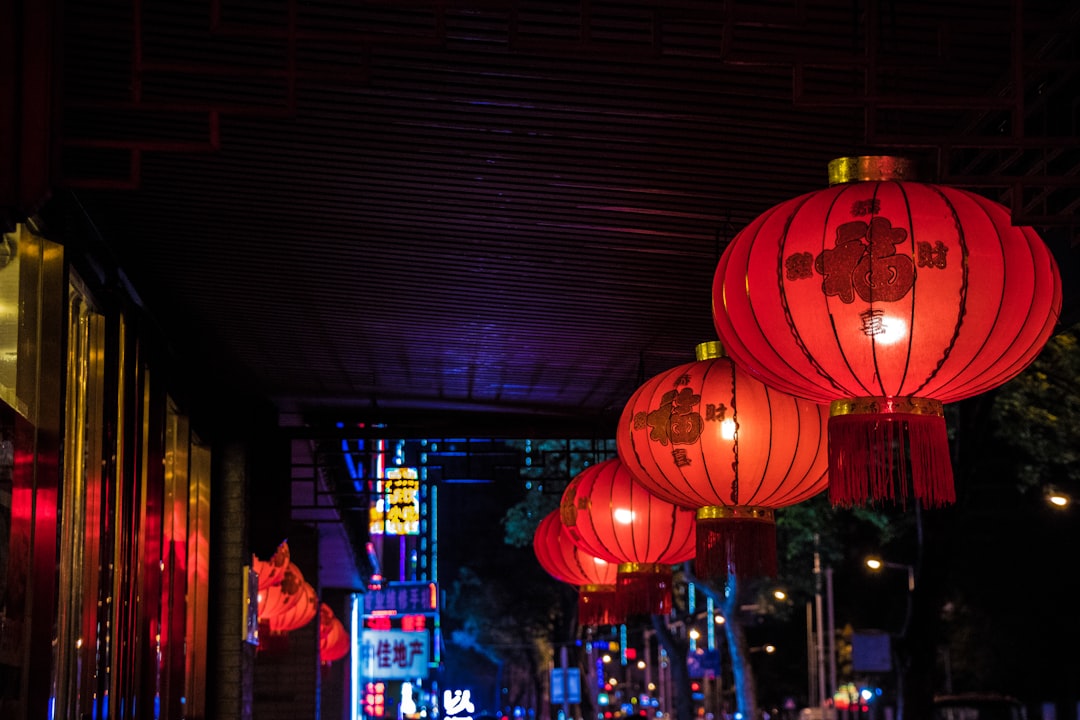
red paper lanterns on street during nighttime
View of buildings in city

Shanghai

China
Iconic LandmarksMarketplace & ShoppingArt & ArchitectureModern AttractionsUrban Highlights
i

Vibrant nighttime view of Shanghai's iconic skyline featuring the illuminated Oriental Pearl Tower.

Photo by Manuel Joseph

Shanghai hits you with a wall of neon and bustle. Nanjing Road hums with shoppers, the air thick with street food smoke and laughter. On the Bund, colonial facades face a skyline of glass spires, the river churning between old and new. In the French Concession, plane trees shade café terraces, the smell of jasmine and espresso mixing in the warm air. Duck into a lilong alley and find hidden dumpling shops, steam rising from bamboo trays. At night, rooftop bars glow above the city, the world’s tallest buildings twinkling close enough to touch. Shanghai dazzles and overwhelms, sure — but its real magic lives in those quiet, lived-in corners.

Quick Facts

currency
CNY
languages
Mandarin Chinese
airports
Shanghai Pudong International Airport
size
Mega City
power
Type A, Type C, Type I
timezone
China Standard Time (UTC+8)
safety
Safe
costs
Moderate

General Information

Safety indexShanghai is considered a very safe city for travelers. According to several global indexes, its safety index is usually rated between 70-80 out of 100. Street crime like pickpocketing is rare but can occur in crowded areas. Violent crime is extremely uncommon. Traffic can be chaotic, so pedestrians should remain cautious.

Best Time to TravelThe best time to visit Shanghai is during spring (March to May) and autumn (September to November). These months feature mild temperatures, comfortable humidity, and clear skies, making it ideal for sightseeing and outdoor activities.

Least crowded and still a good time to visitLate November to early December is a great alternative—temperatures are still fairly mild, crowds thin out significantly after the autumn rush, and many attractions are quieter but still fully operational.

BudgetShanghai caters to a wide range of budgets. For budget travelers, expect daily costs around $40-$60 USD (hostels, street food, public transport). Mid-range travelers can expect around $100-$180 USD per day (3-star hotels, mix of local and some Western food, taxis or rideshare). High-end travelers can spend upwards of $250+/day for luxury accommodation and fine dining.

Healthcare and VaccinationsShanghai has a modern healthcare system with international clinics and hospitals, especially in expatriate areas. Carry travel insurance, as private healthcare can be expensive. No mandatory vaccinations are required for entry, but it’s recommended to be up to date on routine vaccines (MMR, Tdap, etc.) and consider Hepatitis A & B, Japanese Encephalitis, and Typhoid if you’re staying long or visiting rural areas.

Visa RequirementsMost travelers need a visa to visit China, which should be obtained before arrival. Some nationalities qualify for 72/144-hour visa-free transit under specific conditions. For tourism, the L type visa is common and requires an application, hotel bookings, and sometimes proof of flights. Always check current regulations as they can change.

Weather in Shanghai

°C°F
3799
2781
1763
745
-327
Jan
Feb
Mar
Apr
May
Jun
Jul
Aug
Sep
Oct
Nov
Dec
3020100
Avg. min. temperature
Avg. max. temperature
Avg. precipitation days

First-time travelers

Shanghai dazzles. The city’s speed, her size, the swirl of headlights over neon rivers—all of it floods the senses for newcomers. Shanghai isn’t just a megacity; it’s an electric invitation. Here, ancient kapok trees shade silent alleyways while glass-and-steel towers crackle above.

First Taste: Old Meets New

The Bund draws eyes first: colonial facades watch over the Huangpu, facing Pudong’s blade-shaped skyscrapers. Stroll before sunrise when only joggers and camera-toting grandfathers share the fresh river air. Across the water, Lujiazui rolls out high-rise ambitions, yet in the old French Concession, quiet charm takes hold. Sweet osmanthus swirls through tree-lined streets, and you catch locals sipping soy milk under plane trees. Competing aromas—dumplings, fried dough, fresh melon—call from shop windows.

Sensory Street Life

Step away from malls into narrow lanes like Tianzifang. Lanterns flicker over shopfronts selling hand-painted fans and silk qipaos. Take a moment to sample shengjianbao—pan-fried dumplings with hot broth inside—or a bottle of herbal plum juice. Art comes through in hurrying graffiti or swirling calligraphy on old lane doors. Forget any rigid agenda. Let Shanghai’s city rhythms teach you: subway rumbles, the thunk of a mahjong tile, taxi horns, bursts of Shanghainese jokes.

  • Walk early beneath century-old sycamores in Fuxing Park and watch elders practice tai chi.
  • Try the xiaolongbao at Jia Jia Tang Bao near People’s Square—steaming and best eaten with vinegar and ginger.
  • Cruise on the Huangpu at sunset; the city lights shimmer, but the history whispers from both shores.
  • End one day at Heytea for salted cheese-topped jasmine tea—locals love it after a humid stroll.

First-time Shanghai surprises with contrasts. Not just a city of speed but also hidden beauty, gentle mornings, and flavors that linger—both bold and delicate, just like the city herself.
Return travelers

On return, Shanghai feels familiar, though never tame. With the big sights behind you, subtler stories unfurl—if you know where to look. The city’s curve reveals neighborhoods beyond the Bund, flavors that linger, dialects echoing from alleys untouched by flash bulbs. This time, you navigate like an insider.

City Within a City

Slip into Hongkou, a quieter corner with layered history. Japanese-style bakeries bustle, selling castella sponge cakes. Old synagogues and art deco apartments line Huoshan Road—a reminder of Shanghai’s intertwined past. In Yangpu, sip nutty rice wine at street-worn stalls. Listen for Shanghainese cadences, a language found more here than downtown, rising over clack of abacus beads. Underlines the point: Shanghai’s stories unfold best away from crowds.

Flavors, Textures, Time

Seek out alleyway markets where vegetable hawkers joke with cooks balancing baskets of eel, lotus root, and mint. Order a bowl of ningbo tangyuan—sticky rice balls, hot and gingery, eaten standing at Formosa street stalls where time seems to pause. Art spaces in M50 hum with fresh graffiti and ceramic pop-ups. Old men play erhu by the Suzhou Creek, where willows dip into the water’s moss-green surface. The city slows, deepens, and rewards curious returnees.

  • Take bus 36 through Hongkou’s backstreets for a gentle, people-watching ride.
  • Sample Shanghai-style smoked fish at small shopfronts on Wuyuan Road.
  • Spend an evening in a tiny, family-run tea house—like Yipotianqing—for folk songs and tales.
  • Visit the Jewish Refugee Museum for a window into lesser-told history.

Returning reveals a Shanghai of quiet corners, daily rituals, lingering tastes. Beneath the bright surface, moments of real connection—genuine, humble, and fleeting—wait for those looking deeper.

Must-see locations

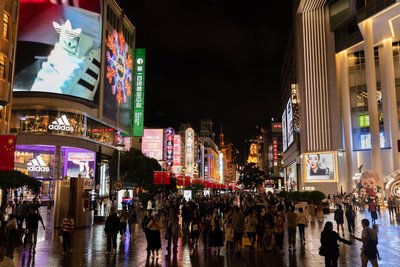
a crowd of people walking down a street next to tall buildings
i

a crowd of people walking down a street next to tall buildings

Photo by Howei Wang

Nanjing Road

Bustling with neon lights, Nanjing Road in Shanghai buzzes day and night as shoppers flock to trendy flagship stores, traditional teahouses, and historic buildings like the Peace Hotel. Street performers energize the pedestrian zone.

Learn More
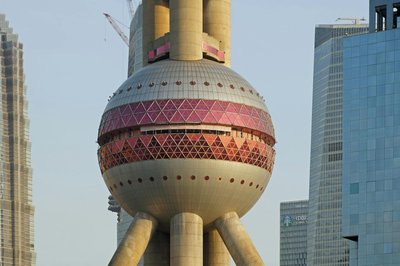
Close-up of the Oriental Pearl Tower in Shanghai, showcasing its unique design against modern skyscrapers.
i

Close-up of the Oriental Pearl Tower in Shanghai, showcasing its unique design against modern skyscrapers.

Photo by Gu Bra

Oriental Pearl TV Tower

Glass walkways soaring above Pudong, 360-degree city views, and the futuristic pink-and-silver spheres make the Oriental Pearl TV Tower a Shanghai icon. Visit museums inside, watch the Huangpu River, and catch the skyline glowing at night.

Learn More
a city skyline at night
i

a city skyline at night

Photo by D Z

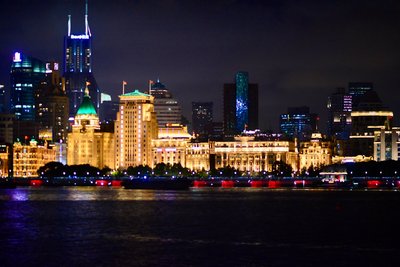
The Bund

The Bund blends Shanghai’s colonial-era architecture and glittering city lights, where travelers stroll the waterfront, watch cargo boats glide past skyscrapers, and feel the pulse of Nanjing Road’s shops and lively street life.

Learn More
china, shanghai, mansion yu, tradition, garden, aquatic, architecture, traditional habitat, shanghai, shanghai, shanghai, shanghai, shanghai
i

china, shanghai, mansion yu, tradition, garden, aquatic, architecture, traditional habitat, shanghai, shanghai, shanghai, shanghai, shanghai

Photo by DEZALB

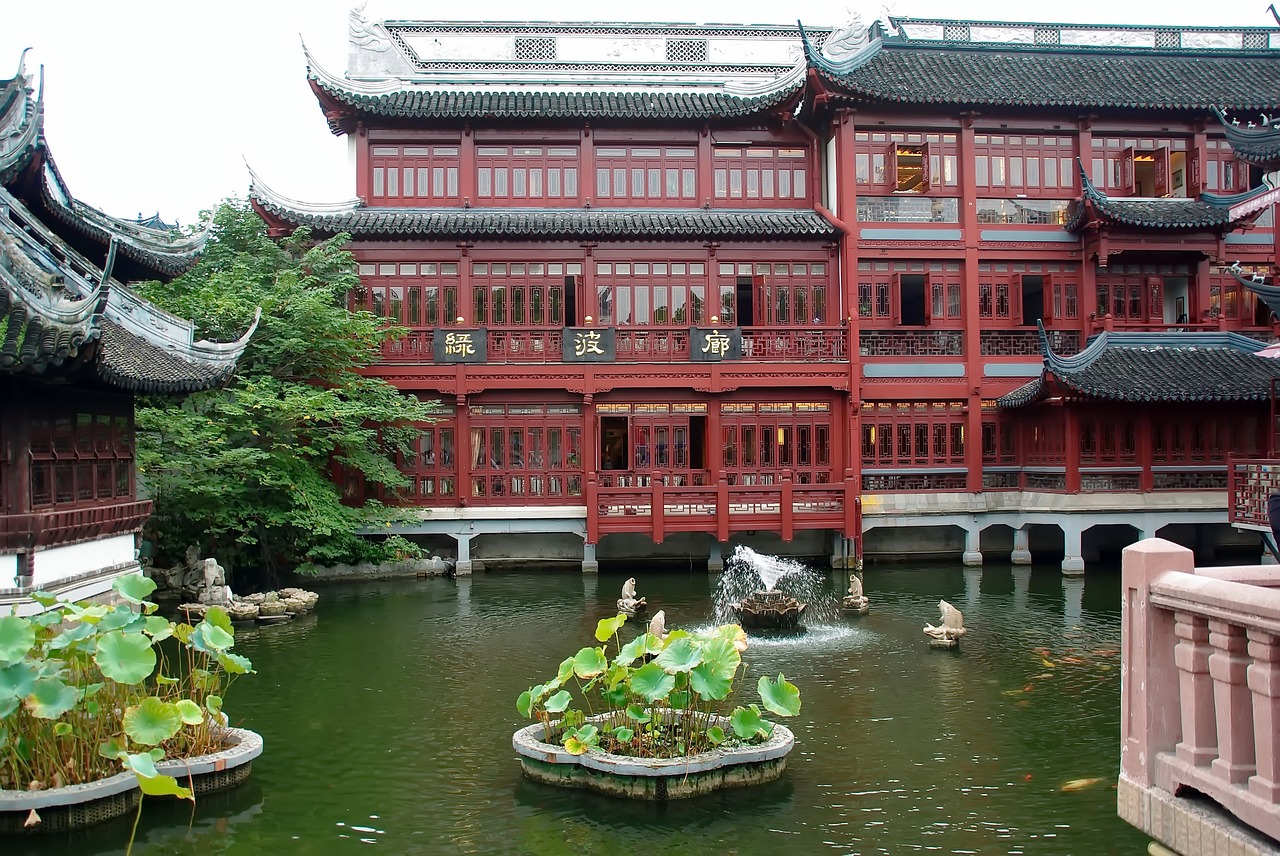
Yu Garden

In Shanghai’s old town, Yu Garden blends Ming Dynasty pavilions, stone bridges, and koi-filled ponds. Lantern-lit pathways invite strolls. Tea houses serve snacks beside ancient walls, where locals practice Tai Chi each morning.

Learn More
Stunning aerial view of Shanghai's illuminated skyline, featuring modern skyscrapers and vibrant cityscape at night.
i

Stunning aerial view of Shanghai's illuminated skyline, featuring modern skyscrapers and vibrant cityscape at night.

Photo by Aditya Agarwal

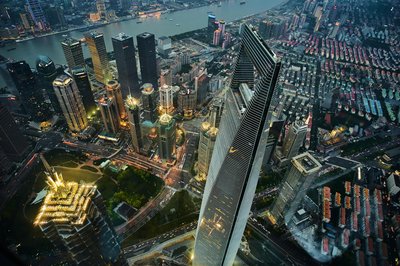
Shanghai Tower

Shanghai Tower rises above Lujiazui’s skyline, offering breathtaking city views from its spiraling observation deck. Interactive exhibits explain modern engineering feats. Nighttime lights paint a vivid picture of Shanghai’s constant energy.

Learn More

How to get there

By air

Shanghai is served by two international airports: Shanghai Pudong International Airport (PVG), which handles most international and long-haul flights, and Shanghai Hongqiao International Airport (SHA), which handles domestic and some regional flights. Both airports are well connected to the city center via various transport options.
Options to get to town:
Taxi
Price:
¥150-¥250 (PVG to city center), ¥60-¥100 (SHA to city center)
Duration:
45-70 min (PVG), 25-40 min (SHA)
Where to buy:
Official taxi stand at the airport
Airport bus
Price:
¥20-¥30
Duration:
60-90 min
Where to buy:
Tickets at airport bus counters or on board
Train/shuttle
Price:
Maglev Train: ¥50 (one way), Metro: ¥5-¥8 (PVG); Metro: ¥5 (SHA)
Duration:
Maglev: 8 min (PVG to Longyang Rd), Metro: 45-60 min (PVG/SHA to city center)
Where to buy:
Maglev/Metro ticket machines or counters in the airport

By train

Shanghai can be reached from most major Chinese cities by high-speed or regular trains. Key stations include Shanghai Hongqiao Railway Station and Shanghai Railway Station. High-speed trains from Beijing, Hangzhou, Nanjing, and other large cities are frequent and reliable.
Useful websites for train tickets:

By car

Driving to Shanghai is feasible via China's extensive expressway network. The city is accessible from other major cities via modern highways, but driving in Shanghai can be challenging due to heavy traffic and local restrictions for non-local vehicles.
Additional charges to be aware of:
Toll / vignette / emission sticker
Cost:
Tolls vary by expressway route (e.g., ¥200+ from Beijing to Shanghai)
How to pay:
Tolls are paid at expressway toll booths
Other driving costs
Cost:
Fuel costs (approx. ¥8/L), possible congestion/peak hour fees in city
How to pay:
Gas stations, city entry fee booths where applicable

How to get around

Public transport

Public transport: Shanghai boasts an extensive public transport system, including the metro, buses, and the iconic maglev train to the airport. The metro is clean, efficient, and connects most major attractions. Buses cover areas not accessible by subway, though English signage can be limited.

Ticket options:
Ticket TypePriceWhere to buy
Single ticket¥3–¥9 depending on distanceMetro station ticket machines, ticket counters
Day pass¥18 (24-hour metro pass)Metro station service counters

Taxis & ridesharing

Taxis & ridesharing: Taxis are widely available and metered, but not all drivers speak English, so having your destination written in Chinese helps. Ridesharing apps like DiDi offer a convenient, cashless option and the app can be set to English.

Service providers:
ProviderPriceHow to book
Local taxiFlag fall about ¥14 for first 3 km, plus ¥2.5–3.6 per kmOn the street, taxi ranks, hotel concierge
Ridesharing appSimilar or slightly higher than taxi fares, variable based on distance and demandDiDi app (available in English)

Car rental

Car rental: Rental cars are not commonly used by tourists in Shanghai due to heavy traffic and parking limitations. A Chinese driving license is typically required for rentals.

Rental options:
ServicePriceHow to book
Daily rentalFrom ¥350/day (compact car)International chains and local rental offices in the city and airports
Weekly rentalFrom ¥2,000/weekCar rental desks at airports, downtown offices

Bike & scooter rental

Bike & scooter rental: Bike-sharing is popular and affordable, with companies offering both pedal bikes and e-bikes via apps. Riders scan a QR code to unlock and pay per use. Helmets are generally not provided. Scooter rentals are also available in select locations.

Rental options:
ServicePriceHow to book
Bike rental¥1–¥3 per 30 minutesApps like Meituan Bike or Hellobike
Scooter rental¥20–¥50 per dayScooter rental shops and select app-based providers

Ferry / Boat

Ferry / Boat: The Huangpu River ferries offer a scenic and budget-friendly way to cross between the Pudong and Puxi sides of Shanghai, with frequent departures.

Useful websites for ferry tickets:

What to eat

Steam rises in swirling clouds above the alleyways of Shanghai’s old quarters. Chatter floats from crowded noodle shops. The smells of ginger, soy, and fried garlic hit you first—heady, rich, inviting. Here, every corner tempts you with flavor, from a messy breakfast stall to the polished tables of Bund-side bistros. As a city that never really sleeps or stops eating, Shanghai offers a dizzying array of food. This is a place for brave tastebuds—and for hungry wanderers who want to truly understand a city through its kitchens.

Signature Dishes

  • Xiao Long Bao: Delicate soup dumplings, filled with juicy pork and a burst of rich broth. Eat carefully—slurping the steaming soup inside is a right of passage. At Jia Jia Tang Bao, the lines are long but the dumplings shine.
  • Sheng Jian Bao: Crispy-bottomed, fluffy-topped pan-fried buns. A breakfast favorite in nearly every corner diner—bite and the savory filling floods your mouth.
  • Hong Shao Rou: Slow-braised pork belly in caramelized sauce, sticky and beautifully balanced. Often dating to family traditions, found everywhere from humble lunch counters to fancy restaurants.
  • Cong You Bing: Flaky pancakes loaded with scallions, fried on bustling street carts. Salt, crunch, and chew in every bite.

Street Food & Markets

For the true flavor of Shanghai, follow your nose to Donghuamen Night Market or the lanes around Yuyuan Garden. Street hawkers flip Jianbing, Shanghai’s version of the breakfast crepe—eggs, crisp wonton, and zesty sauces stuffed in a grainy wrap. Skewers sizzle over hot coals, perfumed with cumin and chili. Try marinated tofu, fragrant stinky tofu, or roasted sweet potatoes sold from bicycle carts in the fall. Local snack shops let you watch noodles pulled by hand or dumplings made in seconds. Crowds swell at meal times and prices spike near tourist sites, but wander deeper and the rewards multiply.

Sweet Treats & Drinks

Shanghai’s sweet tooth runs from silky red bean pastries (try Qibao’s market stands) to chestnut cakes, best at Lu Bo Lang bakery. For something cool and modern, hit If Tea for layers of fruit-infused bubble tea. Soothe your stomach with a mug of sweet soy milk (doujiang), usually sipped with a youtiao donut. Or chase rich sesame balls—the crisp, chewy morsels every bakery seems to perfect.

Why Travelers Eat Here

  • Unrivaled dumpling mastery—Xiao Long Bao are a city icon, both artisanal and everyday.
  • Shanghai’s markets pulse with diversity: classic Shanghainese, regional specialties, global fusion.
  • Inventive street food—think scallion pancakes, fried buns, and endless noodle variations.
  • Old meets new: spotless cafés share alleys with smoky wok kitchens dating back generations.

Shanghai’s flavors run deep and wide—reflecting energy, ambition, and a proud mix of old and new. Eating here is as much about the city as the food. Each bite, a living story along the Huangpu’s banks.

Top Rated Restaurants

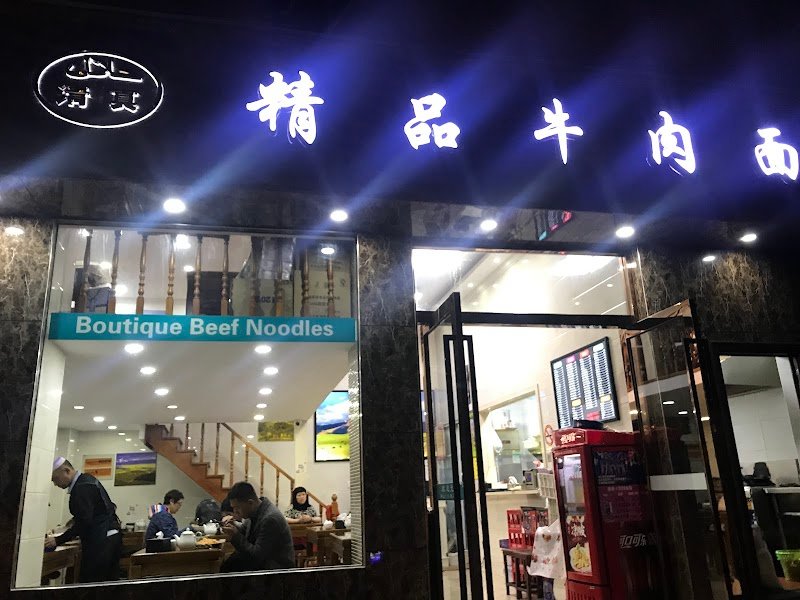
Qingmeiju Muslim Restaurant

Qingmeiju Muslim Restaurant

4.8 (121 reviews)
Location313 Feng Yang Lu, People's Square, Huang Pu Qu, Shang Hai Shi, China, 200003
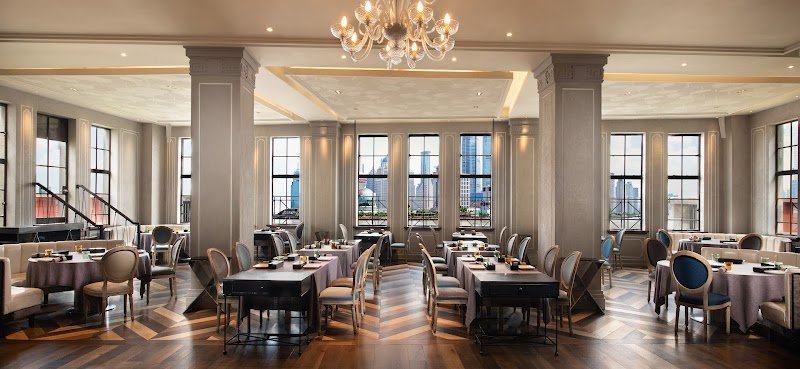
Mr&Mrs Bund

Mr&Mrs Bund

4.6 (111 reviews)
LocationWai Tan 18 Hao, 6层18 Zhong Shan Dong Yi Lu, 18, Huang Pu Qu, Shang Hai Shi, China, 200002
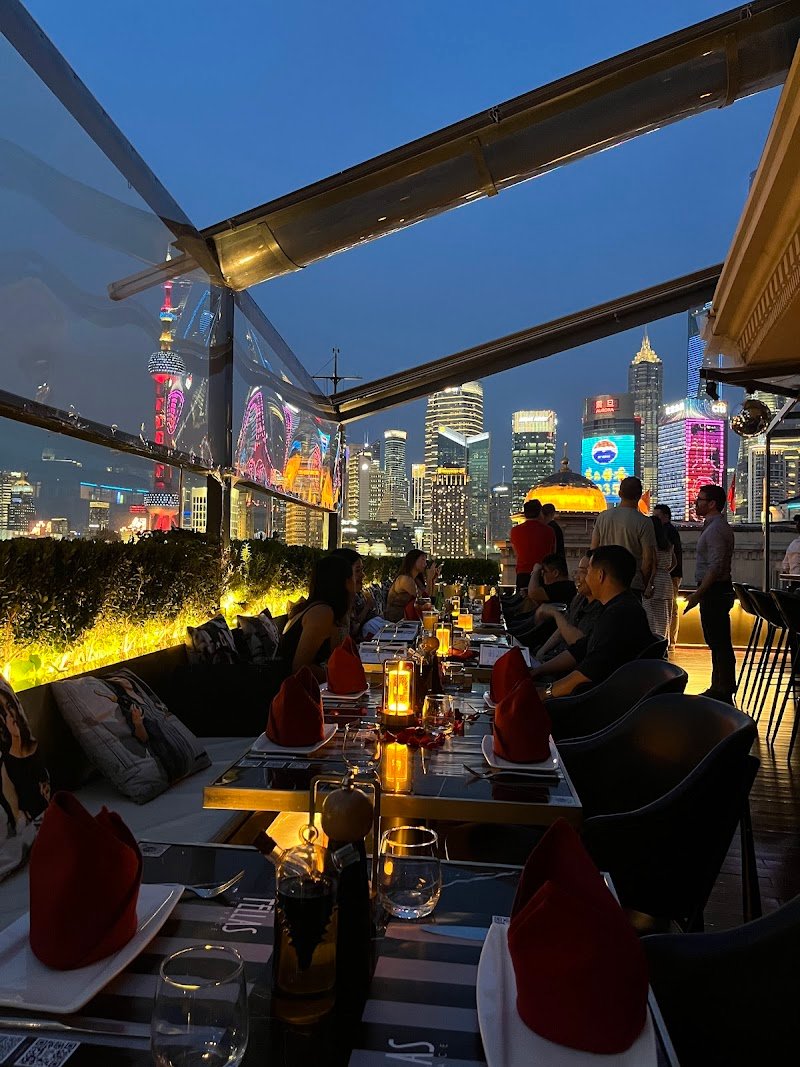
The Fellas

The Fellas

4.6 (182 reviews)
LocationChina, Shang Hai Shi, Huang Pu Qu, Waitan, Yan An Dong Lu, 7号7楼仟宸大厦 CN 上海市 邮政编码: 200002
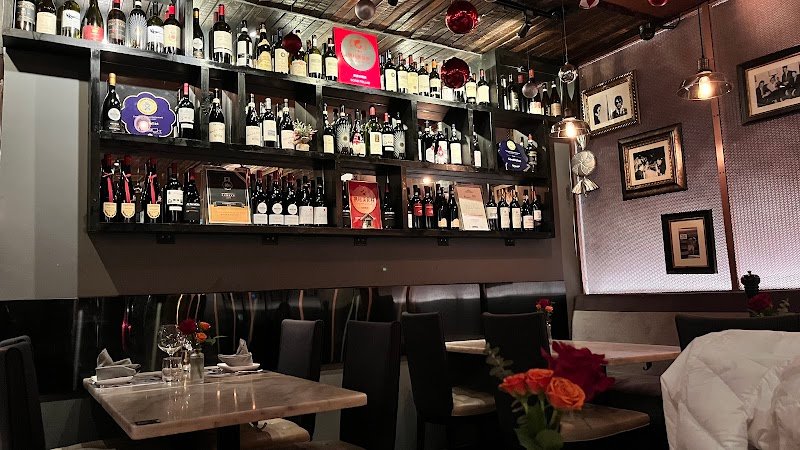
Goodfellas

Goodfellas

4.6 (104 reviews)
LocationChina, Shang Hai Shi, Huang Pu Qu, Waitan, Yan An Dong Lu, 7号CN 上海市 邮政编码: 200120
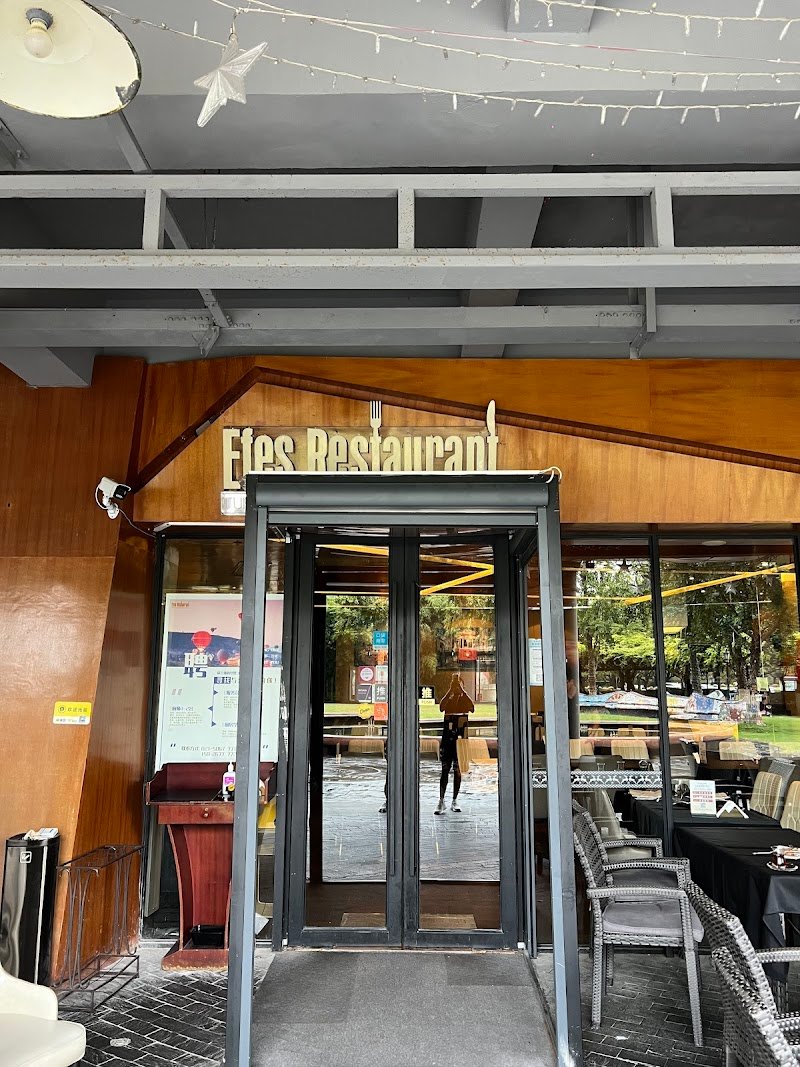
Efes Restaurant

Efes Restaurant

4.6 (403 reviews)
LocationChina, Shang Hai Shi, Pu Dong Xin Qu, Yaohan, Shang Cheng Lu, 665号1885文化广场B座 邮政编码: 200120