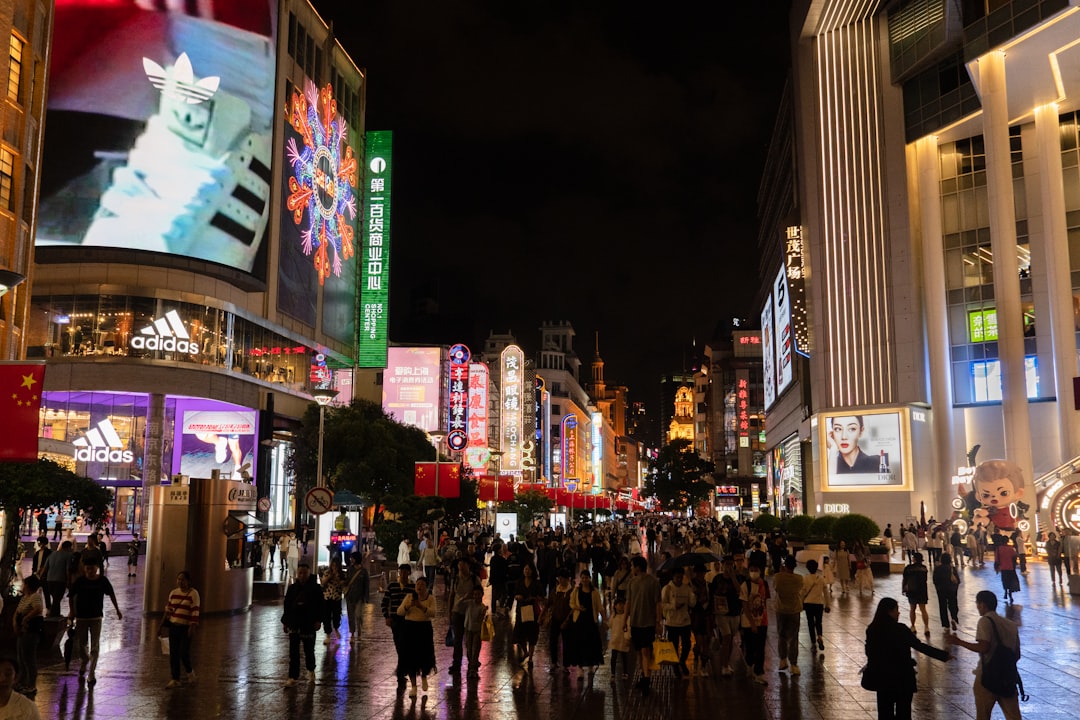
a crowd of people walking down a street next to tall buildings

Nanjing Road

Shanghai, China
i

a crowd of people walking down a street next to tall buildings

Photo by Howei Wang

Buzzing day and night, older than most shopping avenues in Asia, Nanjing Road stands as the true heart of Shanghai’s hustle. Neon signs and big brands pull in crowds, but the history, hidden alleyways, and everyday street life give this boulevard its magic. Every stroll turns into a feast—for the eyes, the appetite, the soul. Beneath the constant pulse, there’s room to pause, to notice the blend of east and west, old and new. For curious travelers, Nanjing Road is both an introduction to Shanghai and a living lesson in how Chinese cities grow and change.

Visiting Info

Currency
Entrance fee
Free

Contact Information

Location
Address
Nan Jing Lu Bu Xing Jie, Huang Pu Qu, Shang Hai Shi, China

Planning your visit

With crowds surging along much of this famous route, timing counts for a lot. Nanjing Road stretches impressively from the Bund to People’s Square, spanning the Eastern and Western halves. The street is free to visit, open day and night, and very easy to reach by metro, taxi, or even walking from nearby neighborhoods. Over weekends and holidays, things get busy, especially in the evening, when throngs flock in for bright lights and shopping. Early mornings are quieter, with shopkeepers sweeping doorways and delivery workers bustling carts down the lanes.

  • Best time to visit: Weekday mornings or just before sunset for lively but manageable crowds.
  • How to get there: Take Line 2 or Line 10 of the Shanghai Metro to East Nanjing Road or People’s Square stations. Taxis and buses available, but metro is fastest for most.
  • Accessibility: The street is mostly flat and well paved, suitable for families, wheelchairs, and strollers. Elevators are available at main metro exits and in shopping malls.
  • Average visit duration: 2 to 4 hours for a full walk, including stops for shopping and snacks. More if exploring alleyways or side streets.

Must see stuff

Nanjing Road divides into two sections: Nanjing East Road, world-famous for its pedestrian mall lined with flagship stores, and Nanjing West Road, fancier and a bit quieter but no less historic. Start at the Bund, where grand buildings nod to Shanghai’s colonial past, then continue west—past malls filled with global brands, elegant 1930s department stores, and bustling snack stands. All the while, street performers, artists, and calligraphers work for curious onlookers. Gaps between buildings reveal glimpses of old Shanghai alleyways, while luxury hotels and boutiques announce the city’s future.

  • The Pedestrian Mall: The centerpiece of Nanjing East Road, buzzing with shoppers, historic signage, and lively street scenes—a must for people watching and photos.
  • Historic Department Stores: Look for Beijing Hualian and Shanghai No. 1 Department Store—perfect for stepping back into old Shanghai glamour.
  • Alleyway Food Stalls: On side streets like Shandong Middle Road, sample local treats—frying dumplings, skewers, and fresh fruit sold from carts.
  • Sunset at the Bund: Walk to the riverside for stunning night views of Pudong’s skyline. Crowds gather for the lights, but the show is worth it.
  • People’s Park Corner: A pocket of greenery, where locals fly kites or play chess—easy to miss, but a welcome break from the bustle.
  • Hidden Galleries: Seek out small art spaces near West Nanjing Road; rotating exhibits showcase rising Chinese artists for those willing to wander.
  • Quirky Historical Facts: Nanjing Road hosted China’s first electric streetlight in 1882 and has survived war, revolution, and endless makeovers. The original tram tracks remain visible in spots, reminding visitors how much the street—and Shanghai—has changed.

Tips for your visit

To get the most from Nanjing Road, dress for comfort—good shoes and weather-friendly layers. Expect crowds, but don’t let them rush the experience; lingering by street performers or ducking into quiet tea shops rewards patient visitors. Bring small bills for street food, and keep valuables safe in packed places. For families, watch for mini electric sightseeing trains that shuttle tired kids up and down the pedestrian section. Older travelers may want to plan rest stops inside cool malls on hot or rainy days. Most shopkeepers and workers are used to tourists, so smiles and simple English go a long way. Bargaining isn’t common in main stores, but in underground markets or for small souvenirs, it never hurts to try politely.

  • Best times to avoid crowds: Early weekday mornings or midweek afternoons, especially outside of holidays.
  • What to bring: Water bottle, small umbrella, sunblock, camera or smartphone, map or translation app, and comfortable walking shoes.
  • Local etiquette: Don’t block escalators (stand right, walk left); avoid eating inside large stores and watch out for selfie sticks in heavy foot traffic.
  • Safety and comfort: Keep wallets and bags secured; pickpocketing isn’t rampant, but crowds make it easier. Restrooms are available in malls along the route; look for signs to avoid searching in a hurry.