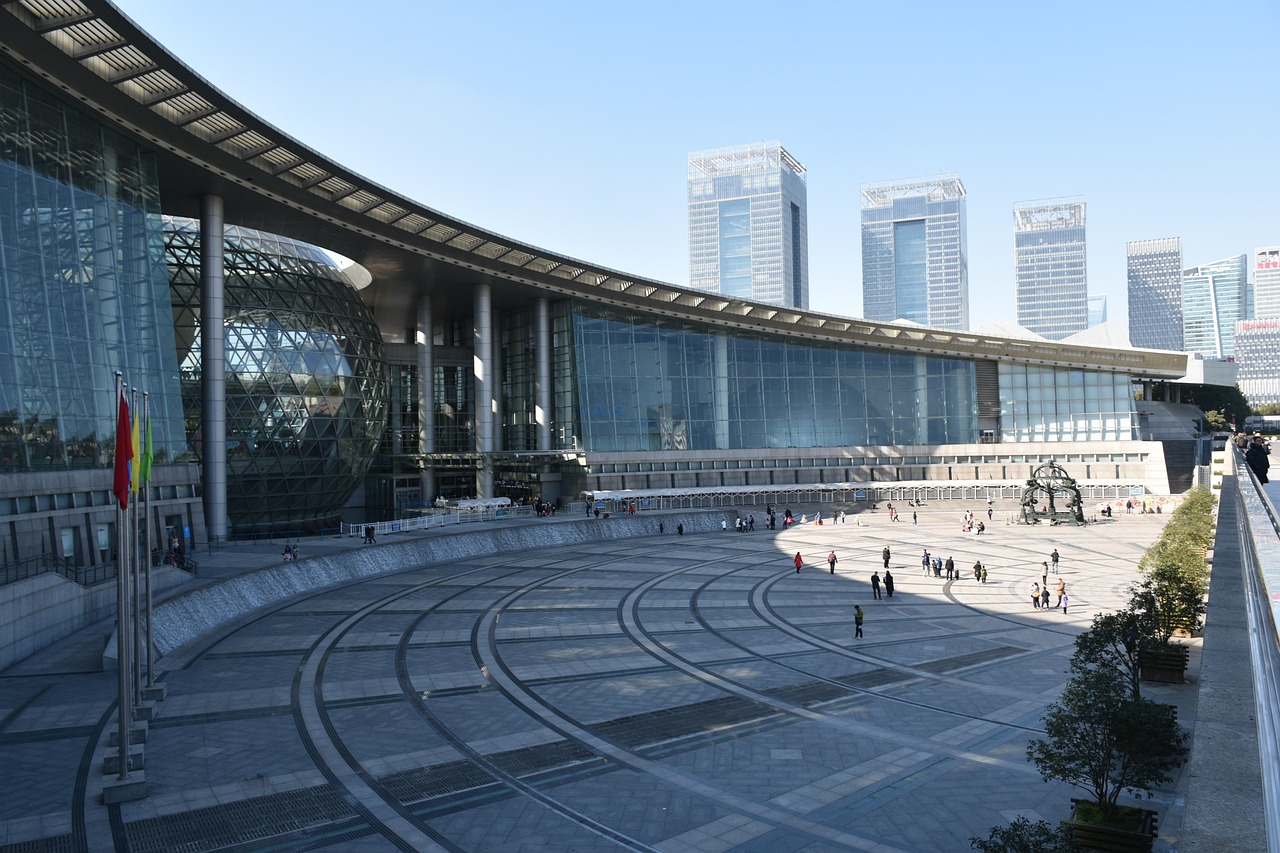
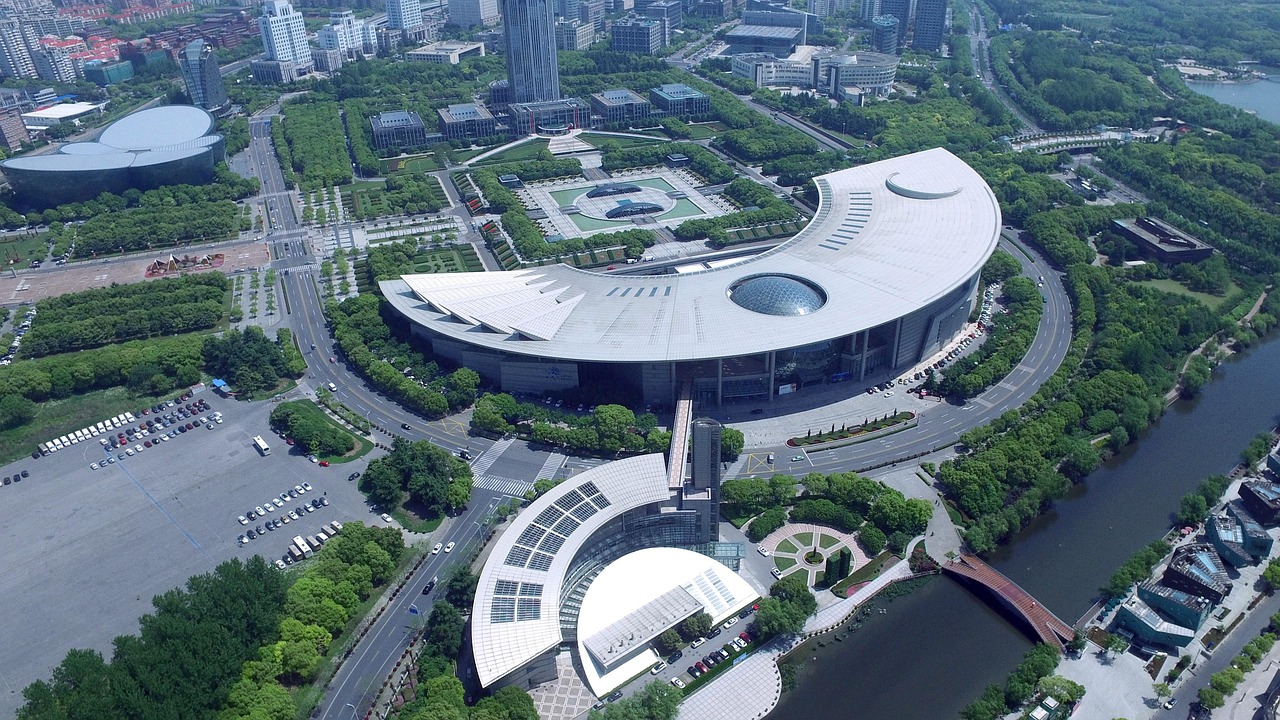
china, shanghai, architecture, city, museum, science museum, china, shanghai, shanghai, shanghai, shanghai, shanghai, science museum, science museum, science museum
china, shanghai, lujiazui, science and technology museum, shanghai, shanghai, shanghai, shanghai, shanghai

Shanghai Science and Technology Museum

Shanghai, China
i

china, shanghai, architecture, city, museum, science museum, china, shanghai, shanghai, shanghai, shanghai, shanghai, science museum, science museum, science museum

Photo by ii7017

Shanghai Science and Technology Museum presents a vibrant exploration of discovery right in the heart of Pudong. Families, travelers, and science enthusiasts are drawn here for interactive displays, sprawling exhibition halls, and a strong sense of curiosity that fills every corridor. Between immersive digital theaters, hands-on experiments, and live animal displays, the museum offers glimpses into science, nature, and innovation—both local and global. Expect both well-loved exhibits and quieter corners for slow discovery. Whether in search of inspiration or simply escaping a rainy afternoon, the museum rewards anyone eager to uncover the marvels of our universe.

Visiting Info

Currency
Entrance fee
60 CNY

Contact Information

Location
Address
2000 Shiji Blvd, Pudong, Shanghai, China, 201204

Planning your visit

Shanghai Science and Technology Museum sits near the popular Century Park, well connected by public transport and simple to navigate, even for first-time visitors. Entry lines develop quickly, especially on weekends, but weekday mornings often see fewer crowds. Its size means visitors can choose quick highlights or spend a full day roaming at ease. Most signs and displays feature both Chinese and English, helping non-local guests feel welcome and oriented. Travelers with children, teenagers, or older adults will find helpful ramps, stroller rentals, and rest areas, making it one of the more accessible city attractions.

  • Best time to visit: Weekday mornings, especially in spring or autumn, offer cooler weather and lighter crowds.
  • How to get there: Take Metro Line 2 directly to Shanghai Science and Technology Museum Station; taxis and bike-sharing are also convenient options.
  • Accessibility: Family friendly with stroller access, elevators, and plenty of seating; wheelchair rentals available at the information desk.
  • Average visit duration: 3-5 hours suits most visitors; half days recommended for families to avoid fatigue.

Must see stuff

The museum spans four expansive floors, each brimming with activity and intrigue. At its heart lies the "World of Robots," where gleaming automatons dance, play chess, or even mimic calligraphy for delighted children. Biology fans gravitate to the "Earth Exploration" hall, with immersive earthquake simulators and massive dinosaur skeletons casting shadows over fascinated faces. The "Spectrum of Life" dome showcases rare and surprisingly lush native plant ecosystems, while the IMAX theaters plunge guests deep beneath the seas or into the cosmos. What stands out, however, is the sense of awe in bustling atriums or quiet learning labs, where science comes alive through touch, sight, and sound.

  • Key sights: World of Robots, Earth Exploration Hall, Spectrum of Life greenhouse dome, and the Globe atrium centerpiece.
  • Unique experiences: Earthquake simulators, hands-on chemistry labs, VR spacewalk adventures, daily science shows for families.
  • Photo-worthy spots: Spiral walkways, dinosaur skeleton displays, lush indoor rainforest, panoramic windows overlooking Century Park.
  • Cultural facts: Opened in 2001, the museum serves as both a showcase for China’s scientific progress and a site for local school field trips, making it both a tourist landmark and a community hub.

Tips for your visit

A little preparation makes a big difference at Shanghai Science and Technology Museum. While snack vendors dot the main level, dining options tend toward the basic—soft drinks, noodles, and sandwiches—so consider bringing water and favorite snacks for children. Escalators and elevators are fast, but peak hours can bring brief waits, and the layout can confuse first-timers. Download a museum map or ask information staff (English is spoken) for directions. Photography is generally allowed except in the theaters and select exhibits, so keep cameras handy. Local etiquette means keeping voices low near study groups and respecting exhibit boundaries, but staff offer friendly help when needed. Souvenir options at the main gift shop include clever science kits and locally themed gadgets—fun additions for kids’ backpacks or gifts abroad.

  • Best times to avoid crowds: Arrive before 10 a.m. on weekdays; avoid school holidays or festival weeks if possible.
  • What to bring: Water bottle, camera, light snacks, and comfortable walking shoes.
  • Local etiquette: Wait turns at interactive displays, avoid eating inside exhibit halls, and keep noise down in quieter spaces.
  • Safety and comfort: Use lockers for heavy coats or shopping bags; keep ticket handy for re-entry from rest areas or the café.