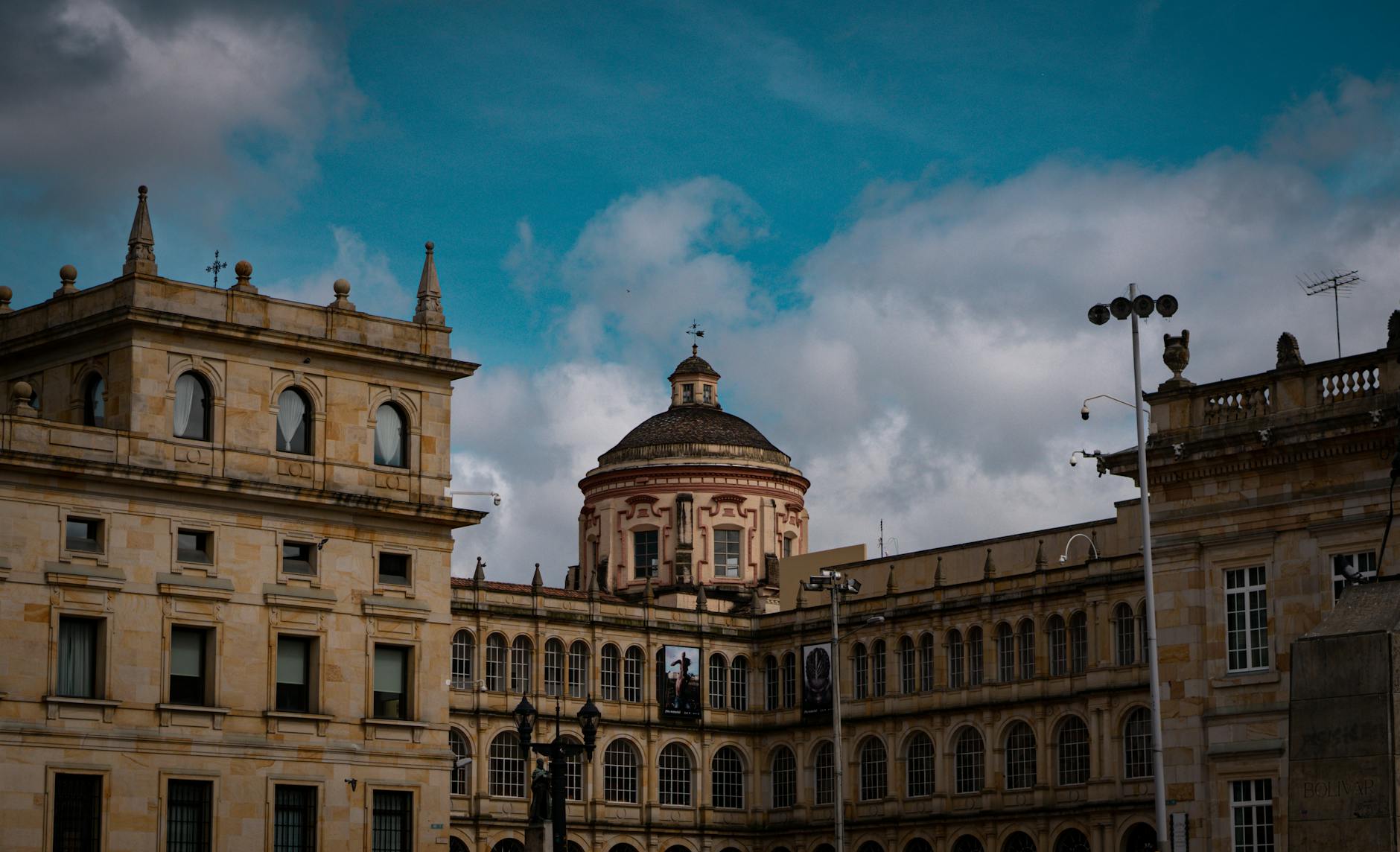
A stunning view of a historic building in Bogotá's Plaza de Bolivar showcasing classic architecture.
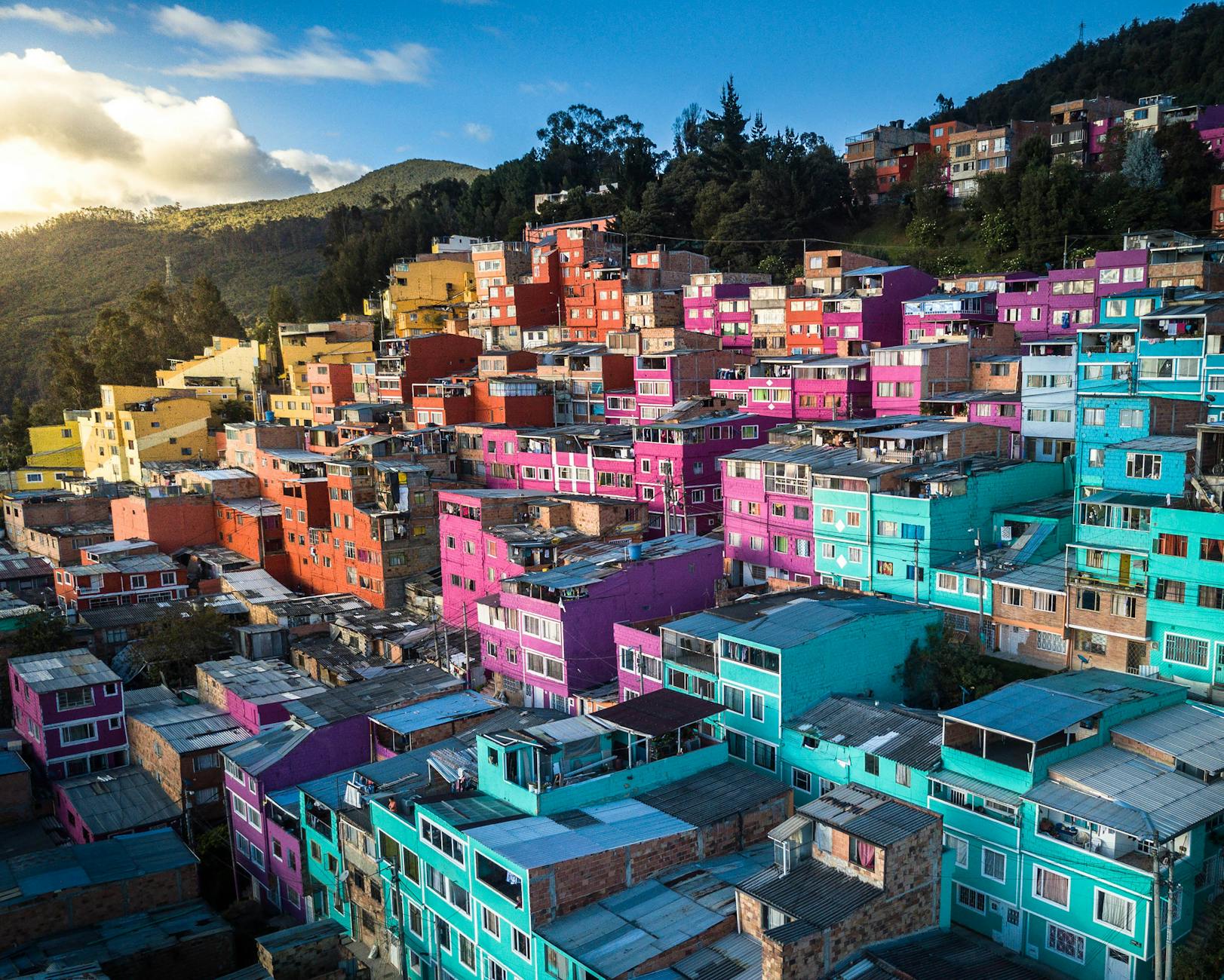
Aerial view of vibrant, colorful houses on a hillside in Bogotá, Colombia.
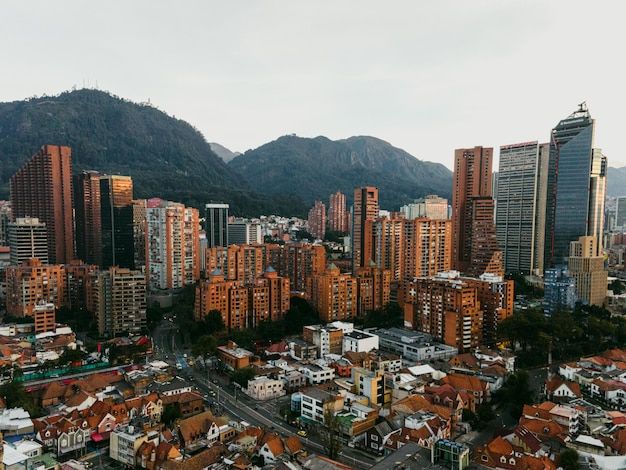
Aerial view on bogota the capital of colombia

Bogota

Columbia
CulturalMarketplace & ShoppingHistoricalArt & ArchitectureIconic Landmarks
i

A stunning view of a historic building in Bogotá's Plaza de Bolivar showcasing classic architecture.

Photo by Ronaldo Murcia

Bogotá hits you with a crisp mountain breeze that’s somehow laced with diesel and roasting corn. Up in La Candelaria, candy-colored facades lean toward cobbled streets where buskers strum Andean tunes. Murals sprawl across entire blocks, bold and riotous, turning alleys into open-air galleries. On Sundays, the Seventh Avenue closes to cars, filling with cyclists, joggers, and vendors pushing everything from fresh guava juice to empanadas blistered golden in hot oil. Climb Monserrate at dawn, and the whole sprawl of the city glows pink beneath the rising sun. In Chapinero, craft breweries, vegan cafés, and smoky parrillas sit side by side, the air thick with coffee and charcoal. Northern malls flash upscale, but the real treasures hide in Paloquemao’s market halls, where papayas the size of footballs scent the air. Bogotá demands layers—a jacket in the morning, shirtsleeves by noon—and patience for its traffic tangles. But it rewards wanderers with glimpses of mountain mist, sudden bursts of music, and the warmth of strangers who insist you try just one more arepa.

Quick Facts

currency
COP
languages
Spanish
airports
El Dorado International Airport
size
Mega City
power
Type A, Type B
timezone
America/Bogota (UTC-5)
safety
Moderately safe
costs
Cheap

General Information

Safety indexBogotá has a medium safety index. Petty crime such as pickpocketing and bag-snatching can occur, especially in busy areas and on public transport. Violent crime is less common in main tourist areas but may be higher at night or in less-traveled neighborhoods. It is advisable to stay alert, avoid displaying valuables, use registered taxis, and follow local advice.

Best Time to TravelThe best time to visit Bogotá is from December to March, when rainfall is at its lowest. The temperatures remain mild year-round due to the city's high altitude, but the drier months make exploring the city and surrounding nature more pleasant.

Least crowded and still a good time to visitIf you prefer smaller crowds and still pleasant weather, consider visiting in April or September–October. While these months have occasional rain showers, most attractions remain accessible, and you'll find fewer tourists, especially after the high season.

BudgetBogotá is generally affordable for most travelers. Budget travelers can expect to spend between $30–$50 USD per day, including hostel accommodation and meals at local restaurants. Mid-range travelers may spend $60–$120 USD per day, enjoying decent hotels and nicer dining. Entrance fees, transportation, and guided tours are also reasonably priced.

Healthcare and VaccinationsBogotá has several modern hospitals and clinics, particularly in the north of the city. Emergency medical care is widely available. Travelers are advised to have comprehensive travel insurance covering medical care and evacuation. Recommended vaccinations include Hepatitis A, Typhoid, and routine vaccines (MMR, DTP). The city is at high altitude (2,640 meters); some travelers may experience mild altitude sickness.

Visa RequirementsCitizens of many countries, including the US, Canada, EU countries, Australia, and New Zealand, do not require a visa for tourist stays up to 90 days. A valid passport with at least six months' validity is required. Always check the latest requirements before travel as regulations may change.

Weather in Bogota

°C°F
2475
1965
1355
846
236
Jan
Feb
Mar
Apr
May
Jun
Jul
Aug
Sep
Oct
Nov
Dec
3020100
Avg. min. temperature
Avg. max. temperature
Avg. precipitation days

First-time travelers

Bogotá presses in—color, sounds, altitude—all at once. Lush mountains cradle the city. Below, a tangled heart beats: busy but gentle, bold but soft. Arriving for the first time, I felt like Bogotá wanted to test me, then show its secrets. Not the grand gestures. The quiet winks behind bustling streets.

Initial Encounters

Start where old meets new—La Candelaria. Cobbled lanes snake between pastel walls etched with murals. Street vendors hum, selling grilled arepas next to students clutching heavy books. Breathless climbs—thanks, 8,600 feet—lead to cafés with frothy hot chocolate and hunks of salty cheese melting in the cup. Give in, let Bogotá’s high-altitude energy charge you.

Museum marvels hide inside grand houses: The Gold Museum’s ancient shine, Botero Museum’s plump figures and sly smiles. Not just places to look, but to pause—watch locals debate next to you, listen to schoolkids spin tall tales about colonizers and pirates. It smells of rain, coffee, and old paper inside.

Tastes and Textures

Bogotá’s flavor lingers where most foreigners never point their cameras. Down Carrera Séptima, try ajiaco—chicken soup thickened with three kinds of potato and perfumed with guasca. Beyond, sample tall glasses of fresh lulo juice; tangy as the mountain air. Breathe deep: this city smells alive.

  • Ride the TransMilenio for a window into local life—pickpockets slick, but smiles sincere.
  • Sip chicha, Bogotá’s old maize drink, in a tucked-away balcony bar.
  • People-watch in Parque de los Periodistas.
  • Buy fresh fruit from a passing vendor—maracuyá bursts, papaya melts.

Breathe in the thin mountain air, open your senses, let the first embrace of Bogotá change your rhythm. The city wants to belong to you. Accept the invitation.
Return travelers

No city transforms itself, quietly, like Bogotá. On return trips, the rush fades. Old streets seem softer; hidden patterns reveal themselves. Each visit strips away the exotic, leaving you in the slow pulse of daily life.

Beyond the Obvious

This time, sidestep La Candelaria. Let Chapinero cradle you with its creative ferment. Mornings begin in Azahar Café. A cup of single-origin coffee, roasted two blocks away, steams in your hand. Outside, graffiti shimmers in early light; not just art, but a conversation with the past.

Markets throb with neighborhood pride. Paloquemao never tires—take the tiny alleys this time, far from the flower sellers. Ripe curuba and guanábana. A vendor slips you a taste, no English needed. Around a corner, families eat changua—milk, egg, bread soup—always piping hot, best with laughter. The hubbub wraps you in easy warmth.

Finding Quiet Corners

Climb to El Mirador de la Paloma. Locals walk their dogs, lovers share mango on a bench. The whole valley glimmers below, smog and sun wrestling. At night, an unexpected peace: jazz guitar at Café Tercer Lugar, a tart postre de natas paired with aguardiente, anise swirling in the air.

  • Try tamal tolimense for breakfast in a local bakery (panadería).
  • Shop at Mercado de las Pulgas de Usaquén—crafts, local design, live performers.
  • Explore Librería Lerner, a temple of books and Bogotá’s literary soul.
  • Take a Sunday ciclovía ride and join the city’s moving river of bikes.

Bogotá is no longer strange. On return, its grit gives way to grace. It welcomes you into its heart, just for a while, as one of its own.

Must-see locations

Glimpse the grand facade of Bolívar Square in Bogotá under a bright blue sky.
i

Glimpse the grand facade of Bolívar Square in Bogotá under a bright blue sky.

Photo by Danilo Arenas

Plaza de Bolívar

Plaza de Bolívar brings Bogotá’s history to life with grand colonial buildings like the Capitol, lively street performers, and visits to the graceful Primatial Cathedral. People relax on the stone steps as pigeons gather around statues.

Learn More
Parque Metropolitano Simón Bolívar

Parque Metropolitano Simón Bolívar

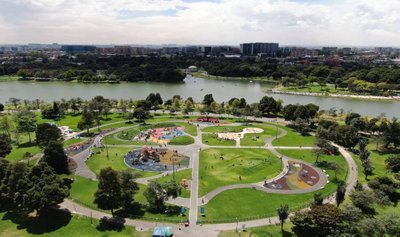
Spanning the heart of Bogotá, Parque Metropolitano Simón Bolívar blends open lakes, winding bike trails, and grassy lawns with lively concerts and festivals. Families picnic by the water; runners trace paths under leafy trees.

Learn More
Jardín Botánico de Bogotá José Celestino Mutis

Jardín Botánico de Bogotá José Celestino Mutis

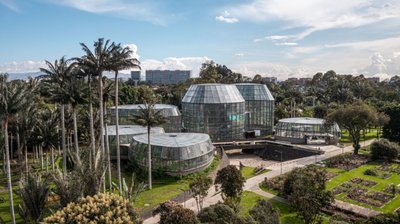
Lush gardens, rare orchids, and Andean forests thrive inside Jardín Botánico de Bogotá José Celestino Mutis. Families stroll along themed trails; kids explore butterfly houses. Science exhibits and indigenous plant areas link nature with Colombian heritage.

Learn More
Plazoleta Chorro de Quevedo

Plazoleta Chorro de Quevedo

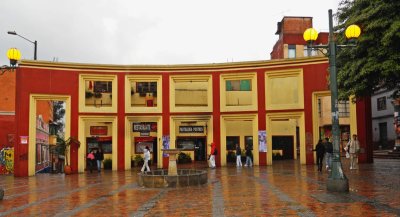
Historic Plazoleta Chorro de Quevedo bursts with color in La Candelaria. Street performers juggle beside colonial chapels, while café patios fill with laughter and chicha tastings. Murals tell stories. Evening brings poetry and guitar music.

Learn More
Gold Museum

Gold Museum

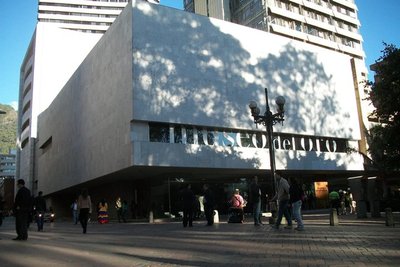
The Gold Museum in Bogotá dazzles with ancient gold artifacts, interactive displays, and pre-Hispanic art. Visitors explore indigenous craftsmanship while learning about Colombia’s rich cultural roots in La Candelaria neighborhood.

Learn More

How to get there

By air

Bogotá is served by El Dorado International Airport (BOG), which is the main gateway for international and domestic flights. The airport is well-connected with major cities across the Americas and Europe. From the airport, the city center is easily accessible by taxi, airport bus, or shuttle.
Options to get to town:
Taxi
Price:
COP 30,000-45,000
Duration:
30-60 minutes (depending on traffic)
Where to buy:
Official taxi counters in the arrivals hall or via mobile taxi apps
Airport bus
Price:
COP 2,950
Duration:
45-60 minutes
Where to buy:
TransMilenio card kiosks or directly by card at the bus terminal
Train/shuttle
Price:
COP 2,950 (Sitp bus to closest TransMilenio station)
Duration:
45-75 minutes (bus+TransMilenio combination)
Where to buy:
TransMilenio or SITP card kiosks at the airport

By train

At present, there are no regular passenger train services connecting Bogotá with other cities in Colombia or with international destinations. Rail options are limited to tourist trains for short excursions near Bogotá.
Useful websites for train tickets:

By car

Bogotá is accessible by road from most major cities in Colombia. Roads are generally in good condition, but some mountainous routes may be slow due to weather or traffic. Expect tolls on main highways leading to Bogotá. Driving in Bogotá involves navigating heavy traffic, especially during rush hours.
Additional charges to be aware of:
Toll / vignette / emission sticker
Cost:
COP 9,000-20,000 per toll (2-6 tolls depending on your route)
How to pay:
Pay directly at toll booths along the highways
Other driving costs
Cost:
Gasoline approx. COP 13,000 per gallon
How to pay:
Gas stations throughout Colombia

By ferry

Bogotá is located inland in the Andes Mountains and is not accessible by ferry from any domestic or international location.
Useful websites for ferry tickets:

How to get around

Public transport

TransMilenio is Bogota's main bus rapid transit system, covering much of the city with dedicated lanes and frequent service. Feeder buses and SITP (integrated public transport) blue buses also serve neighborhoods not directly accessed by TransMilenio. Public transport is generally reliable and affordable, although it can be crowded during peak hours.

Ticket options:
Ticket TypePriceWhere to buy
Single ticketCOP 2,950 (approx. $0.75 USD)Purchase at TransMilenio/SITP stations or authorized points using a rechargeable TuLlave card.
Day passNot officially available. Purchase multiple rides using the TuLlave card.Top up your card at stations or local shops displaying the TuLlave logo.

Taxis & ridesharing

Taxis are widely available and can be hailed on the street or booked via phone/apps. Ridesharing apps provide a convenient and safe alternative, often preferred by visitors for fixed pricing and ease of payment. Always check the taxi meter starts at the official base fare, and avoid unlicensed street taxis, especially at night.

Service providers:
ProviderPriceHow to book
Local taxiStarting around COP 5,000 base fare (approx. $1.25 USD); final fare depends on distance/time.Hail on the street, use taxi phone lines (e.g., Taxis Libres), or dedicated taxi apps.
Ridesharing appVaries by distance and demand, typically similar to or slightly higher than taxis.Book through apps like Uber, Didi, or InDriver.

Car rental

Car rentals are available at the airport and in major areas of Bogota, but driving can be challenging due to heavy traffic and complex road systems. Rentals are best for travel outside the city or when planning multi-day trips to surrounding areas, rather than for everyday city use.

Rental options:
ServicePriceHow to book
Daily rentalFrom COP 120,000 per day (approx. $30 USD), depending on vehicle type.Book at the airport, through international brands like Localiza, Hertz, or Avis, or Colombian rental agencies.
Weekly rentalFrom COP 700,000 per week (approx. $175 USD) and up.Book directly with rental agencies or at their city/airport offices.

Bike & scooter rental

Biking is popular in Bogota, thanks to hundreds of kilometers of dedicated bike lanes (ciclorutas) and a strong cycling culture. Scooters are available through rental providers in selected neighborhoods. These options are ideal for short distances and sightseeing, especially on Sundays and holidays when many main roads are reserved for cyclists (Ciclovía).

Rental options:
ServicePriceHow to book
Bike rentalFrom COP 6,000 per hour (approx. $1.50 USD).Shops in La Candelaria, Parque de los Periodistas, or specialized rental providers.
Scooter rentalFrom COP 10,000 per 30 minutes (approx. $2.50 USD).Via local scooter apps (such as Grin or Lime, if available) or designated kiosks.

What to eat

The aroma hits you first: smoky arepas smothered in cheese, caramelized plantains sizzle, hot panela wafts through cold Andean air. Bogotá’s food scene pulses with history and energy. This city, perched high above sea level, lives on warm, comfort-laden plates and vibrant markets. Here, every meal offers a story you taste and remember. Whether snacking on a corner pastry or sitting down for a feast, food draws you into the city’s heart—one bite at a time.

Signature Dishes

  • Ajiaco Santafereño: Bogotá’s signature chicken and potato soup, thickened with guascas herb. Served steaming with corn on the cob and capers—perfect for the city’s cool weather.
  • Bandeja Paisa: A bounteous platter bringing together red beans, rice, chicharrón, fried plantain, avocado, and sausage. Hearty and filling, built for long days.
  • Changua: Breakfast favorite—milk and egg soup with a sprinkle of parsley and a slice of bread. Subtle and comforting, waking up the palate softly.
  • Lechona: Slow-roasted pork stuffed with rice and peas, seasoned with spices, found at roadside stalls and family gatherings.

Street Food & Markets

Ciclovía mornings call for hot arepas dipped in butter, sold from smoky griddles. Street vendors push carts loaded with salchipapas—fried potato and sausage tossed with tangy sauces. Plaza de Paloquemao brims with fresh fruit smoothies—lulo, guanábana, tomate de árbol. Colorful stacks of tamales, wrapped in banana leaves, tempt in the market’s steamy clamor. Empanadas—golden-crusted and packed with meat or cheese—vanish before noon. For a quick taste of Bogotá’s soul, wander crowded corridors and snack as locals do. Don’t get put off by the lines or crowds—this is part of the experience. Some stalls do push prices when tourists come through, but good food wins every time.

Sweet Treats & Drinks

Try obleas—thin wafer rounds filled with sticky arequipe, guava jam, or cheese. At café counters, order hot chocolate with gooey cheese melting inside—rich, strange, unforgettable. Chicha, a mildly boozy corn drink, hints at the city’s Indigenous roots; sip it cold in La Candelaria. Nothing tops it off like brevas con arequipe: sweet figs stuffed with caramel sauce. Sugar and tradition in every bite.

Why Travelers Eat Here

  • One-of-a-kind Andean comfort food unlike anywhere else in Colombia.
  • Legendary market breakfasts paired with fresh street coffee.
  • Daring flavor combos—think cheese paired with hot chocolate.
  • Local staples served in lively, communal settings—stories shared over every meal.

Every Bogotá meal tastes like home cooked love, no matter where you find it. Flavors linger—a last bite of smoky tamal, street-corner laughter. The city keeps your senses hungry long after you leave.

Top Rated Restaurants

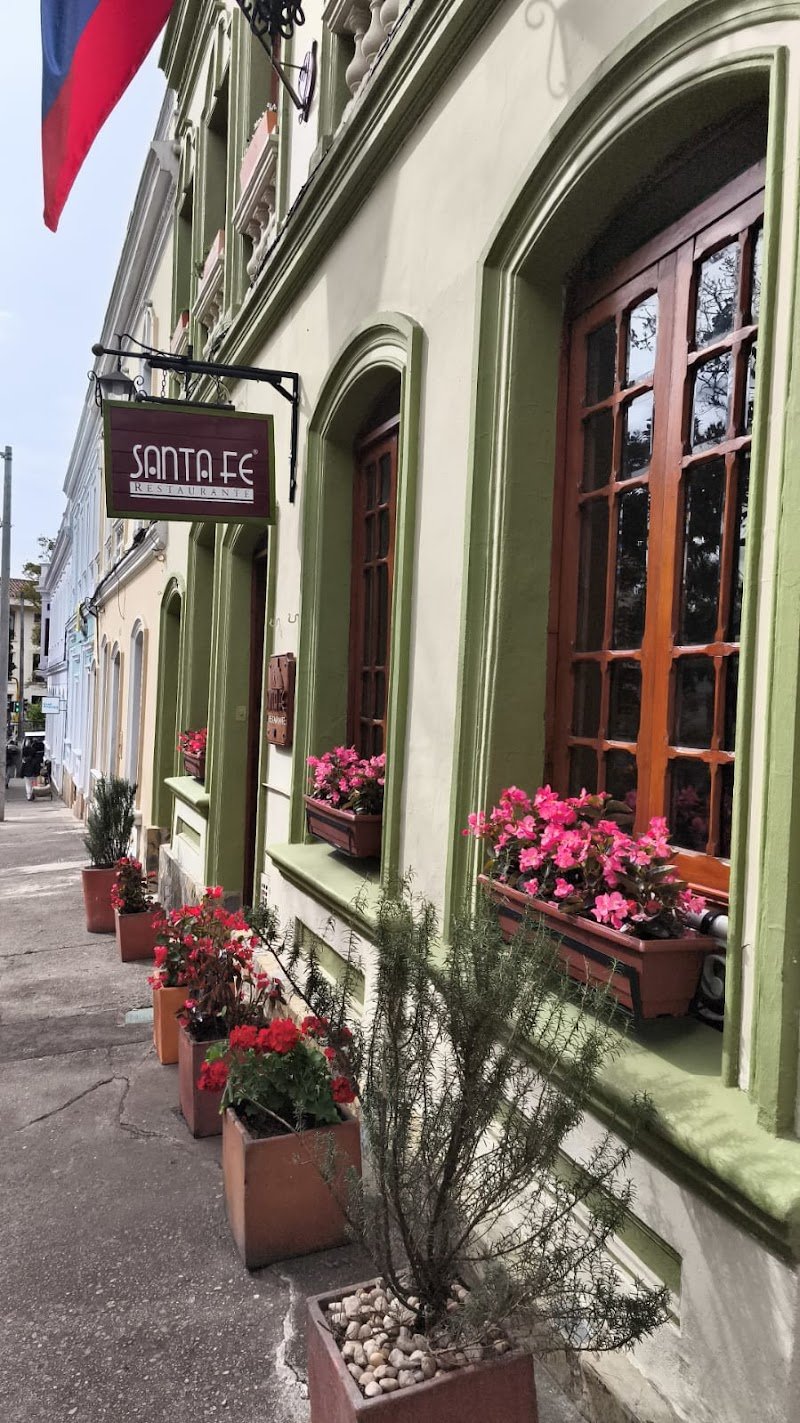
Santa Fe Restaurante Bogotá

Santa Fe Restaurante Bogotá

4.8 (2.9k reviews)
$$
LocationZona Histórica, Cl 7 #5 66, La Candelaria, Bogotá, Cundinamarca, Colombia
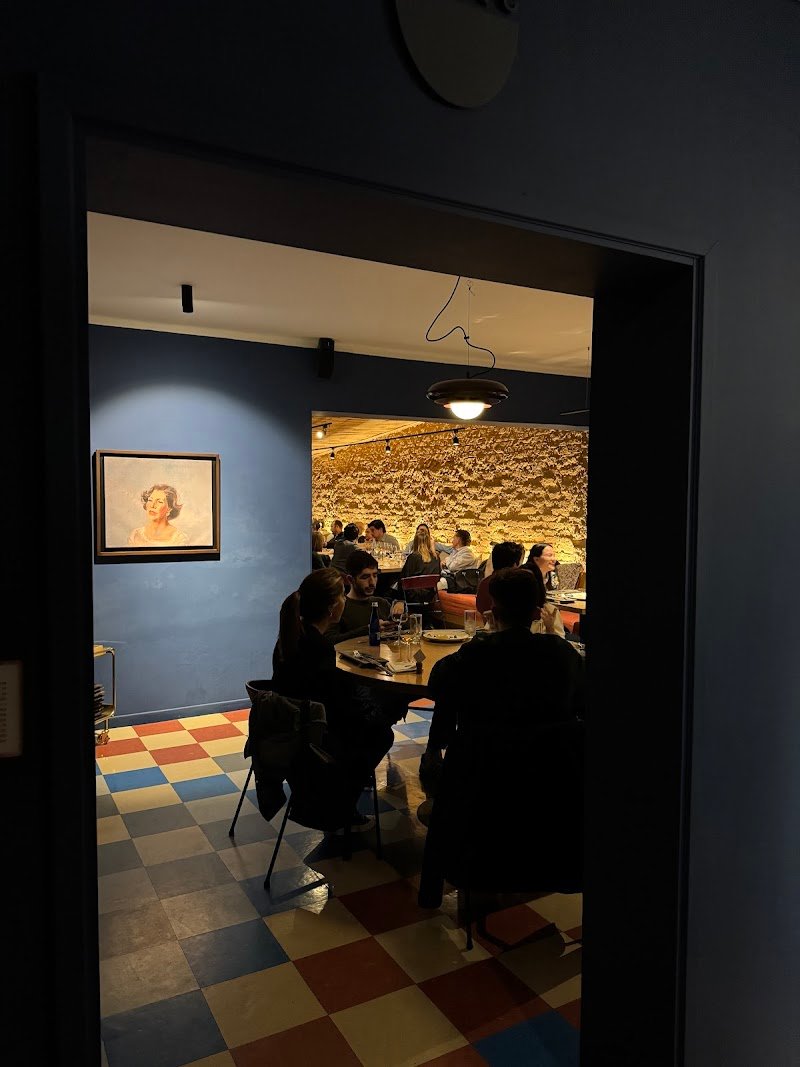
Restaurante Nueve

Restaurante Nueve

4.8 (675 reviews)
$$$
LocationCl. 70a #10a-18, Bogotá, Colombia
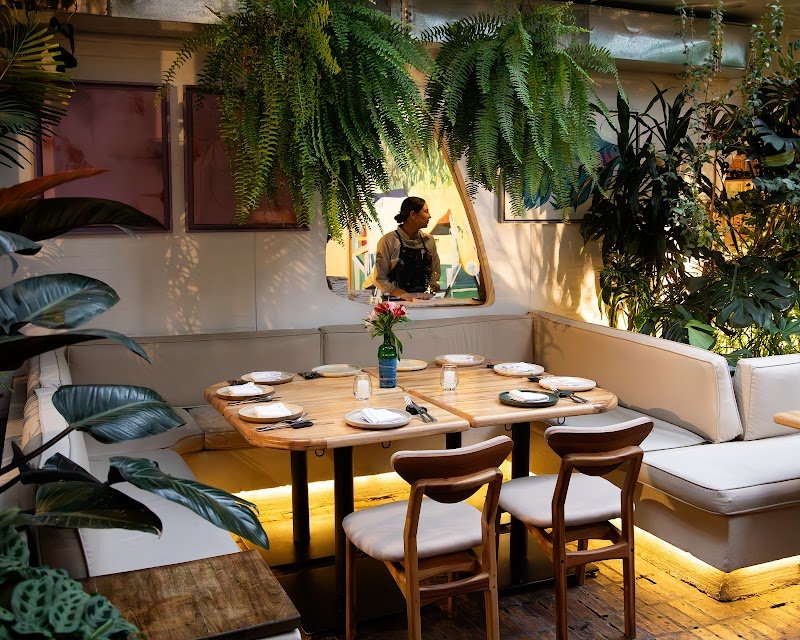
Restaurante Río | Chapinero alto

Restaurante Río | Chapinero alto

4.8 (2.1k reviews)
$$
LocationCl. 61 #5-20, Chapinero, alto, Bogotá, Colombia
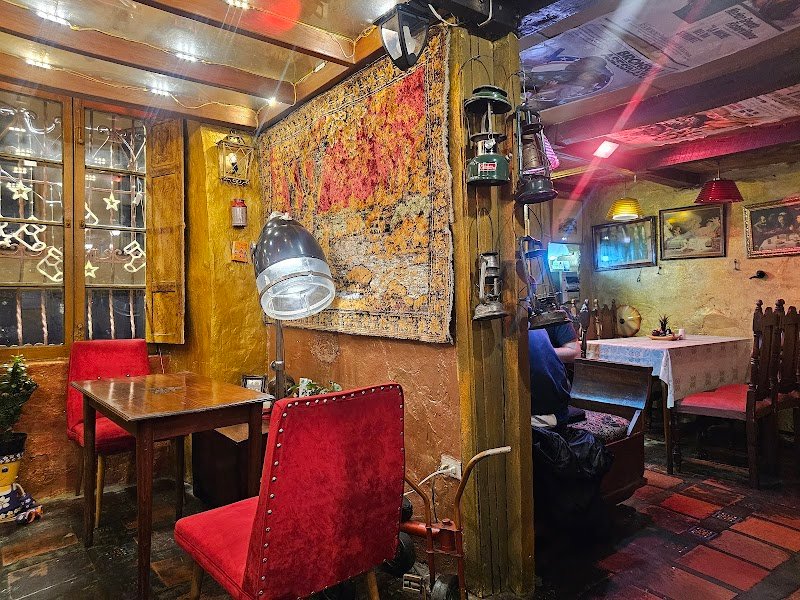
Sitio Casa Candelaria

Sitio Casa Candelaria

4.7 (1.8k reviews)
$$
LocationCra. 2 #11-33, La Candelaria, Bogotá, Colombia
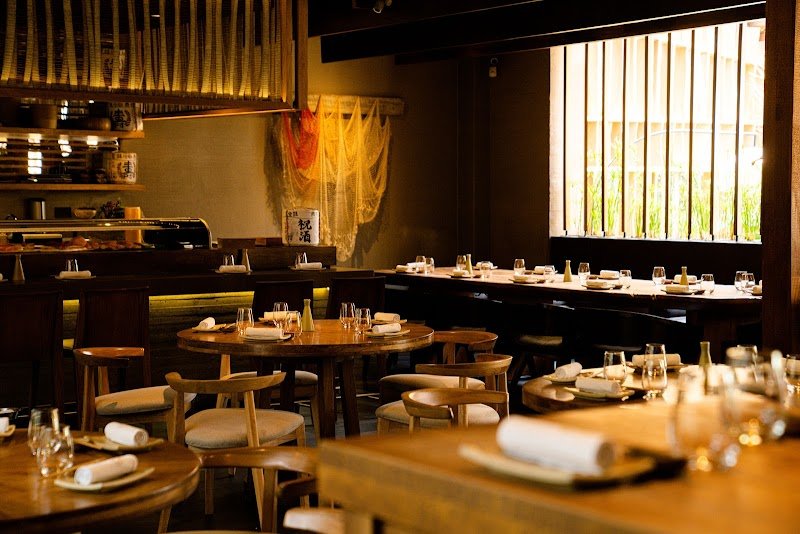
Osaka Bogotá

Osaka Bogotá

4.7 (5.0k reviews)
$$$$
LocationKr 13 #8525, Bogotá, Colombia

Accommodations

The first time I touched down in Bogotá, city lights glittered across a valley hemmed by mountains. Rich neighborhoods met graffiti-tagged walls—evidence that each mile brought a different world. Figuring out where to sleep felt like more than a travel detail. In Bogotá, location shapes your experience. Whether you want hip nightlife, colonial charm, or a spot for your family to rest easy, picking the right zone means everything. The city’s surprising size means your choice will color every memory, for better or worse.

Neighborhood Overview

  • La Candelaria: Bogotá’s oldest quarter, all steep stone streets and whitewashed houses. Budget travelers, backpackers, and those hungry for history love it here. Bars spill light onto 400-year-old plazas. Museums and murals dot every block. But watch your bag after dark—petty crime is a reality.
  • Zona Rosa (Zona T): Flashy, affluent, and always wide awake. Big-brand hotels and cocktail lounges line the streets near designer boutiques. Great for night owls and groups chasing urban energy. Couples may find it noisy on weekends. Locals come to party—traffic can be wild late at night.
  • Chapinero: Trendy, open-minded, and packed with microbreweries. Young professionals, artists, and LGBTQ+ travelers fit right in. Airbnb apartments hide behind leafy courtyards. Coffee shops buzz from morning to midnight. Prices sit between backpacker and luxury. Side streets feel residential, but late-night noise is rare.
  • Usaquén: A northern gem where cobblestone paths meet modern towers. Perfect for families or those who want upscale quiet. Sunday flea markets burst with crafts and Colombian treats. Hotels run from charming inns to glassy towers. The zone is safe, leafy, and walkable—though taxi rides downtown add up.

Types of Accommodation

  • Hostels and Guesthouses: La Candelaria holds cozy dorms like Masaya, mostly $10–$25/night. Perfect for meeting fellow travelers.
  • Boutique Hotels: Chapinero and Usaquén offer unique stays. BOG Hotel or Casa Legado range $90–$200/night. Style and service stand out here.
  • Chain Hotels and Apartments: Zona T packs Marriott and NH hotspots. Reliable, higher rates—count $120–$250/night. Airbnbs run citywide, often $50–$120/night depending on location and season.

Insider Tips for Booking

Book two months ahead for big events—hotels fill fast during holidays or ArtBo fair. Neighborhoods set prices by season—December and Easter are priciest. Ask if VAT (19% tax) is included—foreigners sometimes get exemptions, but only with a passport.

On a Bogotá evening, skyscrapers glow under orange clouds and the mountain breeze brings laughter from corner patios. Every street, every block, promises a different Bogotá. Rest easy knowing that—wherever you land—you’ll wake up to somewhere entirely new.