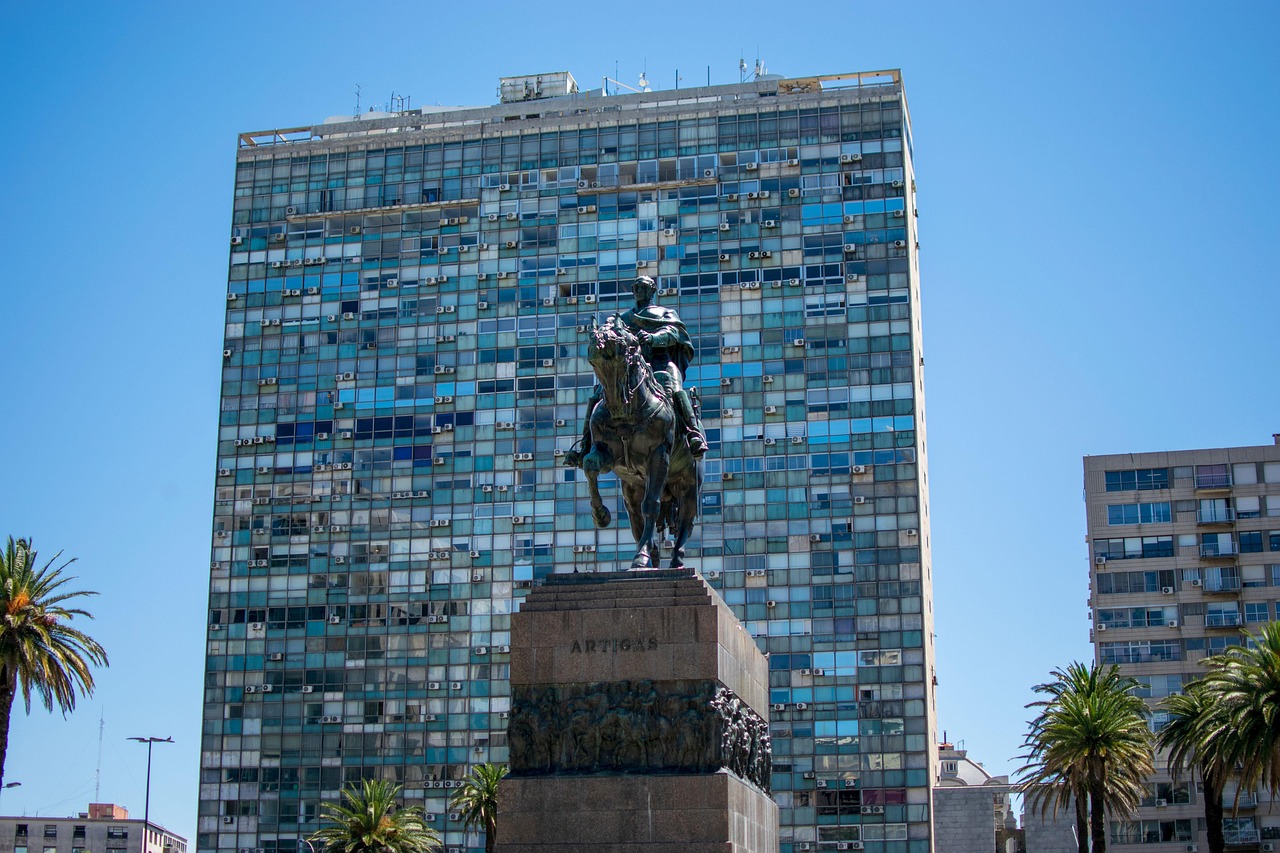
equestrian, skyscraper, statue, plaza independencia, independence, uruguay, montevideo, uruguay, uruguay, montevideo, montevideo, montevideo, montevideo, montevideo
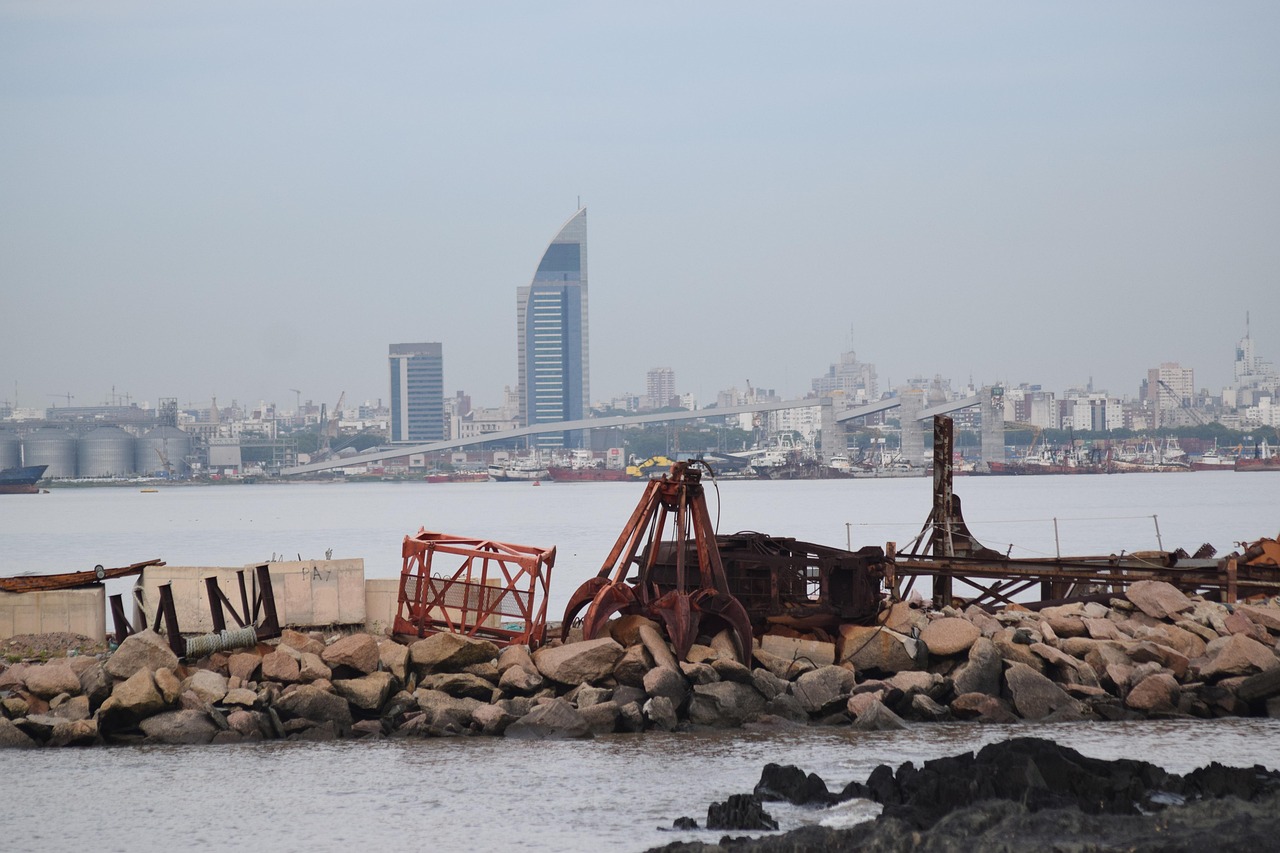
hill, montevideo, tower, antel, bay, uruguay, escollera, view, montevideo, montevideo, montevideo, uruguay, uruguay, uruguay, uruguay, uruguay
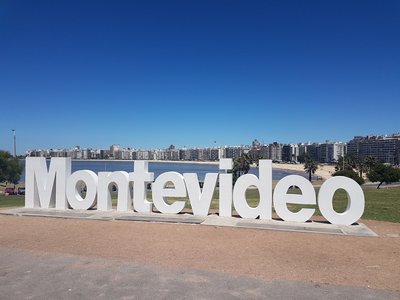
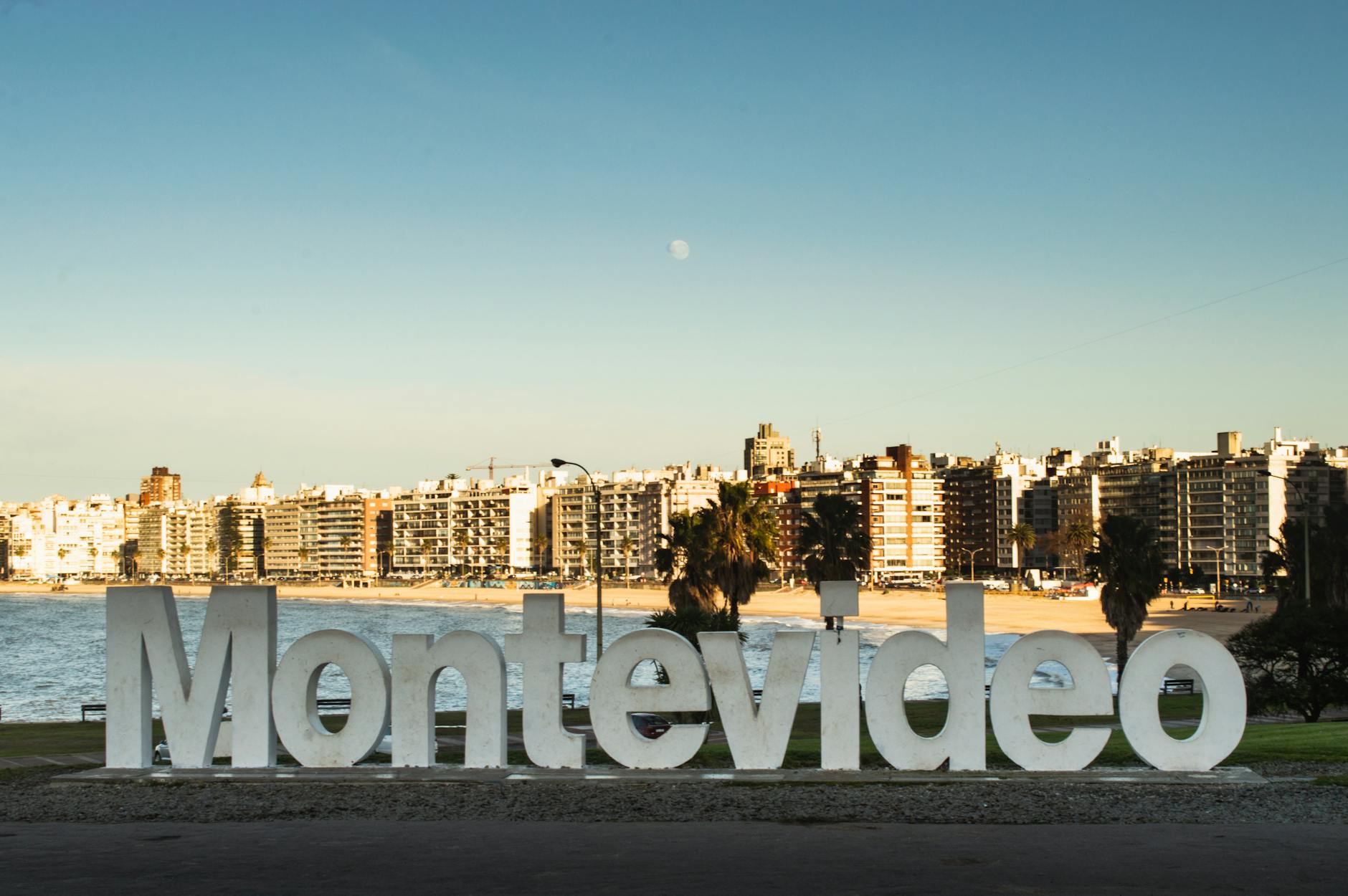
Montevideo landmark sign with city skyline and beach view, capturing Uruguay's iconic coastal urban setting.
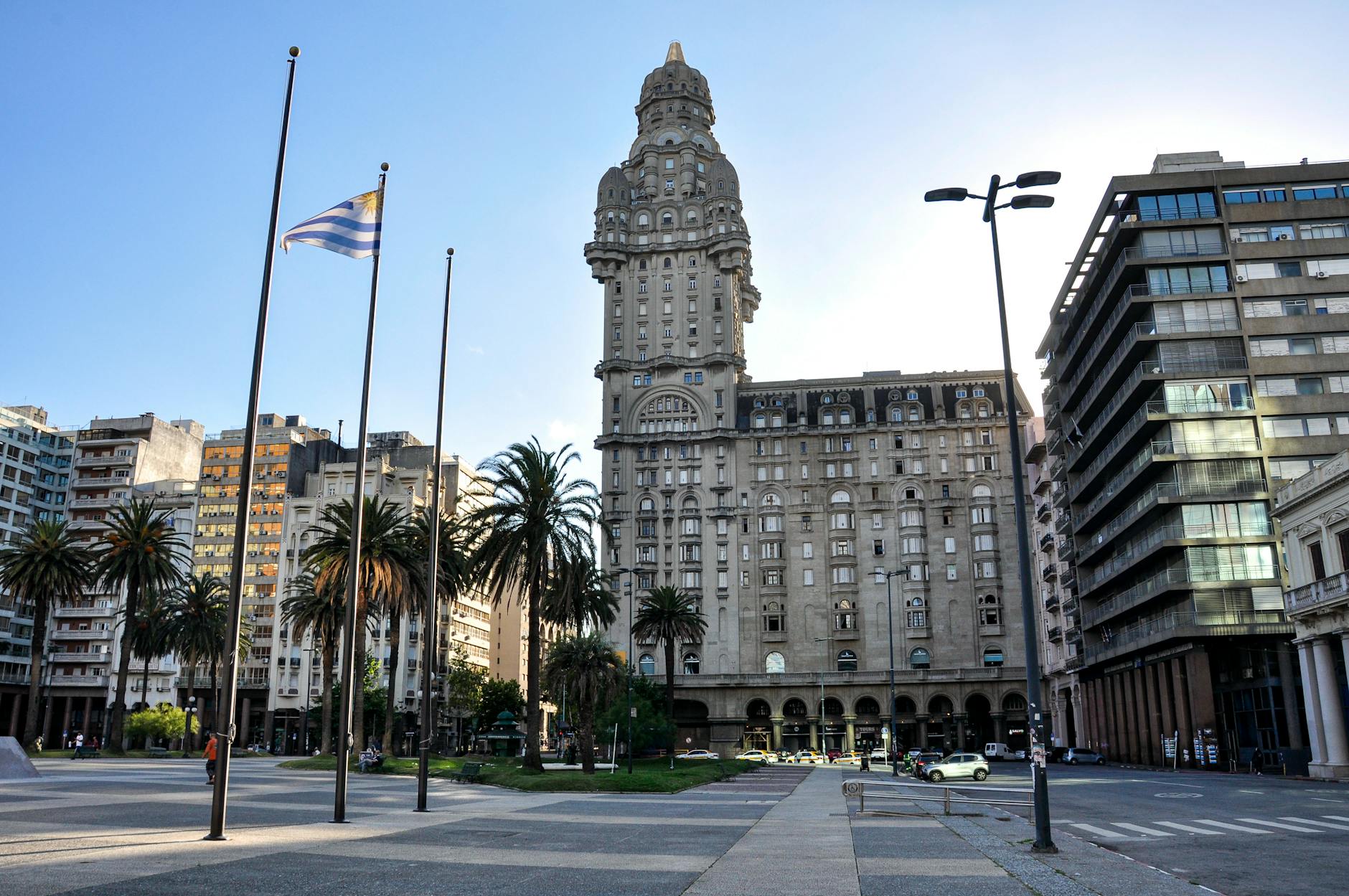
Stunning view of Palacio Salvo in Montevideo, displaying iconic architecture under a clear sky.

Montevideo

Uruguay
HistoricalMarketplace & ShoppingCulturalUrban HighlightsArt & Architecture
i

equestrian, skyscraper, statue, plaza independencia, independence, uruguay, montevideo, uruguay, uruguay, montevideo, montevideo, montevideo, montevideo, montevideo

Photo by thegermankid

Montevideo greets you with the smell of salt and grill smoke. Rambla breezes lift your mood, waves tap the sea wall. In Ciudad Vieja, crumbling facades hide art studios and cafes where tango drifts through open doors. At Mercado del Puerto, parrillas sizzle with beef and chorizo, the heat licking your face. Pocitos feels beachy, almost Brazilian, with volleyball games and mate circles. In Parque Rodó, kids sail toy boats while teens sprawl on the grass, music thumping from portable speakers. Buskers play candombe rhythms on 18 de Julio, drumming their way into dusk. Montevideo moves slowly, a city comfortable in its own skin. You’ll find charm in the rust, beauty in the quiet.

Quick Facts

currency
UYU
languages
Spanish
airports
Carrasco International Airport
size
Large City
power
Type C, Type F, Type I, Type L
timezone
UTC-3
safety
Safe
costs
Moderate

General Information

Safety indexMontevideo is considered one of the safest capital cities in South America. According to several global safety indices, it typically scores between 60-70 out of 100, which is Moderate. Petty crime such as pickpocketing can occur, especially in crowded areas and at night, but violent crime is relatively rare in tourist zones. Practice standard travel safety precautions.

Best Time to TravelThe best time to travel to Montevideo is between November and March when the weather is warm (average highs between 25°C-30°C / 77°F-86°F), the city’s beaches are lively, and cultural events like Carnaval are in full swing.

Least crowded and still a good time to visitFor fewer crowds and pleasant weather, visit in late March to May or September to early November. During these shoulder seasons, accommodation is more affordable, and tourist sites are less busy, while temperatures remain mild and enjoyable.

BudgetMontevideo can be moderately priced. Budget travelers should anticipate spending $50–$80 USD per day with hostel stays, public transport, and budget meals. Mid-range travelers can expect $100–$150 USD daily, including comfortable hotels, dining at restaurants, and some entertainment. Prices rise slightly during high season.

Healthcare and VaccinationsMontevideo has a solid healthcare system, with good public and private hospitals and English-speaking doctors available in major facilities. Tourists are advised to have travel health insurance to cover any medical costs. No specific vaccinations are required for entry, but routine vaccinations (MMR, DTP, Hepatitis A & B) are recommended. It’s also good to check current recommendations for dengue and COVID-19 measures.

Visa RequirementsCitizens of the EU, US, UK, Canada, Australia, and most South American countries do not need a visa for stays of up to 90 days in Uruguay. A valid passport with at least six months’ validity is required. Other nationalities should check with the Uruguayan consulate for specific visa requirements.

Weather in Montevideo

°C°F
3391
2577
1864
1050
236
Jan
Feb
Mar
Apr
May
Jun
Jul
Aug
Sep
Oct
Nov
Dec
3020100
Avg. min. temperature
Avg. max. temperature
Avg. precipitation days

First-time travelers

The South Atlantic breeze hits softly on the esplanade. Unlike Rio's bravado or Buenos Aires' feverish pace, Montevideo greets first-timers like an old friend—gentle, casual, a bit shy. Uruguay’s humble capital balances tradition with an everyday ease, and every stroll becomes a meeting between worlds.

The Slow Pulse of the Rambla

Montevideo lives at walking speed. Locals gather on the Rambla—thirteen miles of waterfront esplanade—to drink mate. Each evening, neighborhoods unfurl along the seawall, from Carrasco’s grand homes to the battered murals at Parque Rodó. Horseshoe-shaped Pocitos Beach feels like a city park with sand, waves, and impromptu soccer games. Broad open skies, ships anchored far out, and the faint music of distant candombe drums create a rhythm easy to fall into.

Flavors and Hidden Corners

First-timers might look for fireworks, but Montevideo offers subtler flavors. Wandering Ciudad Vieja’s art deco avenues, you’ll find antique facades and shaded plazas where chess players study well-worn boards. Grab lunch at Mercado del Puerto—a cacophony of sizzling parilla grills. The air thick with the scent of beef, chorizo, and smoky peppers. Try a chivito, Uruguay's iconic steak sandwich, layered with egg and ham. Wash it down with Tannat wine—a local pride.

Look beyond postcards. Each doorway may reveal a tango bar with flickering candles, or a hole-in-the-wall bookstore. Montevideo rewards slowness—lingering conversations on wrought-iron balconies, street art glowing in the golden light.

  • Walk the Rambla at sunset, mate in hand
  • Sample grilled meats at Mercado del Puerto
  • Explore the art deco landmarks of Ciudad Vieja
  • Try Tannat wine and a homemade alfajor

Montevideo asks little from its guests. Just time, curiosity—and an openness to the gentle, everyday soul of Uruguay.
Return travelers

The second visit to Montevideo lands differently. The city’s subtle pulse, missed on the first trip, now grows louder. Hidden spots call out. Old routines—drinking mate on the Rambla—blend with a new hunger for secret corners and local color.

Beyond the Shoreline

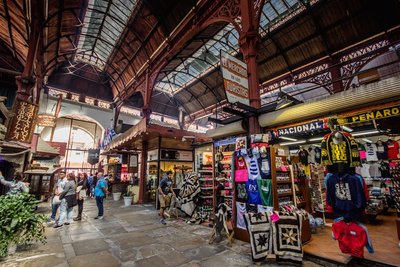
This time, I avoid the waterfront parade and city-center giants. Instead, I head for Villa Biarritz market—a hub for weekend farmers, cheese-makers, and vintage scavengers. Here, voices rise over crates of fresh produce and crumbly provolone. Hand-woven baskets overflow with dulce de leche, tempting with childhood nostalgia.

Neighborhood Surprises

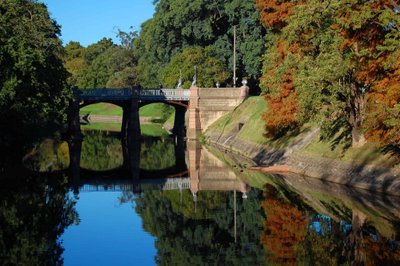
Punta Carretas charms with its quieter streets and tree-shaded cafés. On Avenida Ellauri, find shakshuka at Café Gourmand or join students debating football at El Mingus, a jazz bar tucked behind thick curtains. I wander to Parque Prado, where twisted jacaranda trees shade rose gardens and a 19th-century botanical greenhouse. No tour buses—just the hum of city life.

My taste buds crave the city’s less obvious flavors. At Jacinto in Ciudad Vieja, I sample grilled octopus drenched in lemon oil. That evening, I slip into a small candombe rehearsal on Isla de Flores Street, the air heady with drumbeats and community laughter.

  • Browse antiques and cheeses at Villa Biarritz market
  • Walk Parque Prado's shaded rose gardens
  • Share a meal or live music at El Mingus
  • Catch a candombe drum rehearsal after dark

Montevideo rewards patience and familiarity—revealing layers only return travelers get to see. Its quiet surprises stay with you far beyond the visit.

Must-see locations

Prado Park

Prado Park

Lush gardens and old trees line the wide paths of Prado Park in Montevideo, where families picnic, joggers loop around Rosedal’s blooms, and Museo Blanes highlights Uruguayan art. Weekend festivals enliven the air.

Learn More
Port Market

Port Market

In Montevideo’s lively Old City, the Port Market buzzes with locals sharing plates of sizzling parrilla, fresh seafood, and artisan sweets beneath ornate iron arches. Street musicians play tango, mixing history, food, and culture in every corner.

Learn More

Montevideo Letters

Montevideo Letters stand by the Rambla, bold and bright against the Atlantic. Locals gather here for sunset photos, while nearby Ciudad Vieja buzzes with street art, tango, and laid-back cafés. A city’s soul, captured in color.

Learn More
Solis Theater

Solis Theater

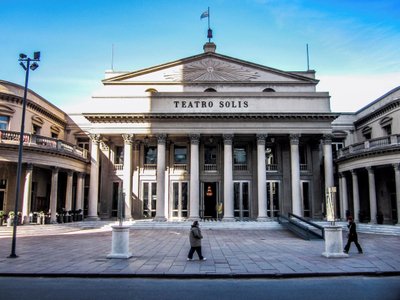
Solis Theater, in Montevideo’s Old City, blends neoclassical beauty with a rich music and drama scene. Guided tours explore ornate halls. The historic stage hosts opera, ballet, and live Uruguayan performances every season.

Learn More
Constitution Plaza

Constitution Plaza

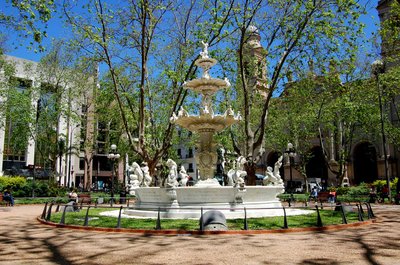
Constitution Plaza anchors Montevideo’s Old City with grand colonial facades, shaded benches, and the historic Metropolitan Cathedral close by. Lively cafés hum with local chatter. Weekend markets fill the square with crafts, music, and Uruguayan flavors.

Learn More

How to get there

By air

The most common international gateway to Montevideo is Carrasco International Airport (MVD), located about 20 km east of the city center. Regular flights connect Montevideo with major cities in South America, and some direct intercontinental routes exist from Europe.
Options to get to town:
Taxi
Price:
USD 35–45
Duration:
30–40 minutes
Where to buy:
At the taxi rank outside arrivals, or prebook at airport taxi counters
Airport bus
Price:
USD 3–4
Duration:
60–75 minutes
Where to buy:
At the airport kiosk or by paying the driver (cash - Uruguayan pesos)
Train/shuttle
Price:
USD 10–15 (shared shuttle)
Duration:
40–60 minutes
Where to buy:
Book on arrival at airport transfer counters or online with local shuttle companies

By train

There are no international train services to Montevideo. Domestic rail services are very limited, basic, and generally not suited for tourists. Most long-distance travel to Montevideo is by bus, not train.
Useful websites for train tickets:

By car

Montevideo can be reached by well-maintained highways from Brazil and Argentina. Road entry is common for regional travelers. Car rental agencies operate at the airport and city center. Be aware of tolls on major highways.
Additional charges to be aware of:
Toll / vignette / emission sticker
Cost:
USD 2–6 per toll (depending on route)
How to pay:
At each toll booth along the highway (pay with Uruguayan pesos or card)
Other driving costs
Cost:
Fuel approx. USD 1.80 per liter
How to pay:
Gas stations throughout Uruguay

By ferry

There are no direct ferries between Montevideo and other international cities. Instead, frequent ferries connect Buenos Aires (Argentina) to Colonia del Sacramento, from where you can take a bus to Montevideo (about 2.5–3 hours). Some companies also operate ferries that go all the way to Montevideo from Buenos Aires.
Useful websites for ferry tickets:

How to get around

Public transport

Montevideo's public transport mainly consists of an extensive bus network that covers the entire city and connects key neighborhoods, tourist areas, and the Rambla. Buses are frequent, reliable, and a popular way for both locals and visitors to get around. There’s no subway or tram in Montevideo.

Ticket options:
Ticket TypePriceWhere to buy
Single ticketApprox. UYU 42-52 (~USD 1-1.30) depending on distanceDirectly from the bus driver (cash or with a STM card)
Day passApprox. UYU 162 (~USD 4.20)Bus terminals or directly on the bus with an STM card

Taxis & ridesharing

Taxis are widely available and can be hailed on the street or at ranks, while ridesharing apps provide a convenient alternative. Both are safe, reliable, and metered, though payment methods may vary.

Service providers:
ProviderPriceHow to book
Local taxiMetered rates; base fare around UYU 74 (~USD 2), increases with distance and timeStreet hail or at official taxi stands
Ridesharing appVaries based on distance, usually comparable to taxisApps like Uber, DiDi, and Cabify

Car rental

Car rentals are a good option if you want to explore beyond Montevideo, such as the coastal region or countryside. Within the city, parking and traffic can be challenging, so consider this for trips outside urban areas.

Rental options:
ServicePriceHow to book
Daily rentalFrom USD 40-70 per day (depending on vehicle and rental company)Local and international agencies at the airport, downtown, or online
Weekly rentalFrom USD 250-400 per weekLocal and international agencies at the airport, downtown, or online

Bike & scooter rental

Biking and scooters are great for exploring Montevideo, especially its long Rambla (seaside promenade). There are both traditional bike shops and several app-based electric scooter rentals available in central and coastal areas.

Rental options:
ServicePriceHow to book
Bike rentalApprox. USD 10-20 per dayLocal bike shops or rental kiosks along the Rambla
Scooter rentalApprox. USD 0.25 per minuteApp-based services (Lime, Grin) available via smartphone app

What to eat

The smell of wood smoke drifts along Avenida 18 de Julio at dusk, teasing your appetite. Montevideo is loud with music, conversation, and the sizzle of beef fat hitting a hot grill. In this city, food means gathering—at bustling markets, weekend barbecues, or tiny neighborhood bars. Lunches run late, and dinner doesn’t fill tables until well after sunset. You’ll follow your senses from Mercado del Puerto to beachside chivito shacks, chasing flavors that tell Uruguay’s story bite by bite.

Signature Dishes

  • Asado: Thick beef ribs slow-roasted over wood embers. Deeply smoky, juicy, and proudly local; the heart of every Uruguayan celebration.
  • Chivito: Towering steak sandwich stacked with ham, cheese, lettuce, tomato, egg, and mayo. Perfectly messy, eaten at roadside stalls or upscale bars.
  • Empanadas: Baked or fried pastries stuffed with ground beef, olives, onions. Crunchy shell, savory filling—an easy grab at any bakery.
  • Milanesa: Thin breaded beef or chicken cutlet, fried to golden crunch. Usually served with mashed potatoes and a squeeze of lemon.
  • Panchos: Hot dogs, Uruguayan style. Soft buns, snappy sausage, and a riot of toppings—cheese sauce, salsa, potato chips.

Street Food & Markets

Montevideo’s heartbeat thumps loudest at its markets. Stroll through Mercado del Puerto, inhaling the scent of sizzling parrillada and chimichurri. Watch butchers carve slabs of beef with expert hands. Grab a bondiola (pork shoulder sandwich) from a griddle at Feria Tristán Narvaja. Try cornbread chipá or cheesy torta frita on street corners, especially when rain turns the city streets glossy. Locals snack on candied peanuts from paper cones, or sip fresh orange juice under striped awnings. Crowds can pack weekend markets—arrive before midday to beat the lines.

Sweet Treats & Drinks

Save room for sweet alfajores—shortbread sandwiches filled with dulce de leche, dusted in chocolate or coconut. Bakeries tempt with pastelitos, flaky turnovers stuffed with sweet quince paste. Uruguayans proudly sip yerba mate everywhere, pouring from thermoses and passing gourds between friends. For something stronger, order a glass of Tannat, Uruguay’s signature red wine, or a citrusy Clericó on a warm evening.

Why Travelers Eat Here

  • Time-honored grilling traditions—feast like locals at a parrilla.
  • Fresh, consistently high-quality beef prized worldwide.
  • Colorful markets full of friendly banter and generous tasting samples.
  • Surprising street foods and sweet treats unique to Montevideo’s melting-pot culture.

Beneath Montevideo’s relaxed pace, food is a passion and a point of pride. Sharing asado or sipping mate, you taste the flavors—and the spirit—of this riverside capital. Always inviting, always hungry for more.

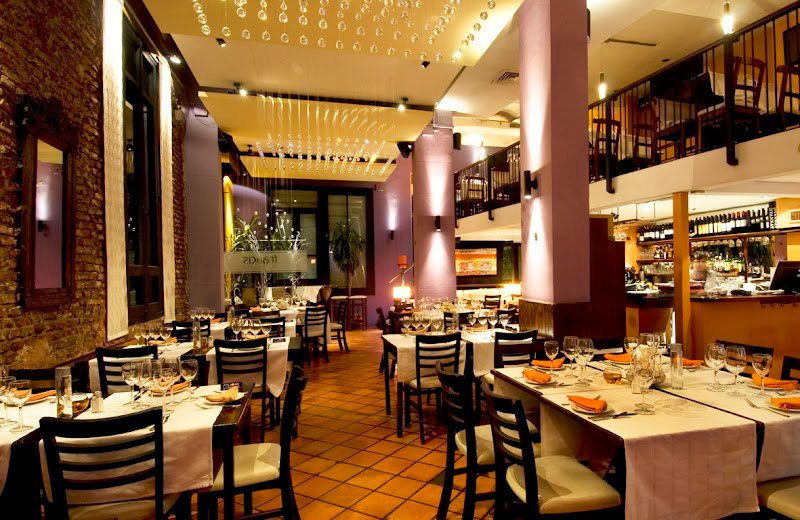
Top Rated Restaurants

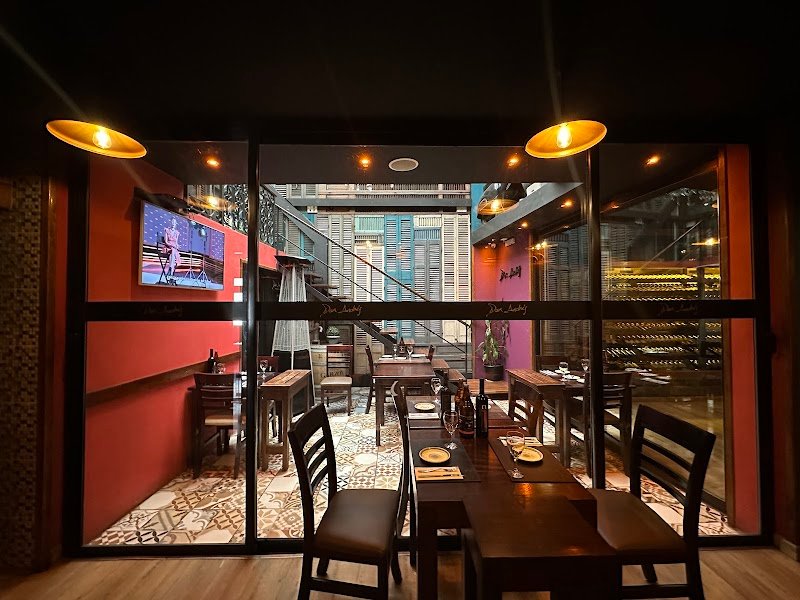
Don Andres

Don Andres

4.6 (6.3k reviews)
$$
LocationAv. Lucas Obes 1054, 11700 Montevideo, Departamento de Montevideo, Uruguay
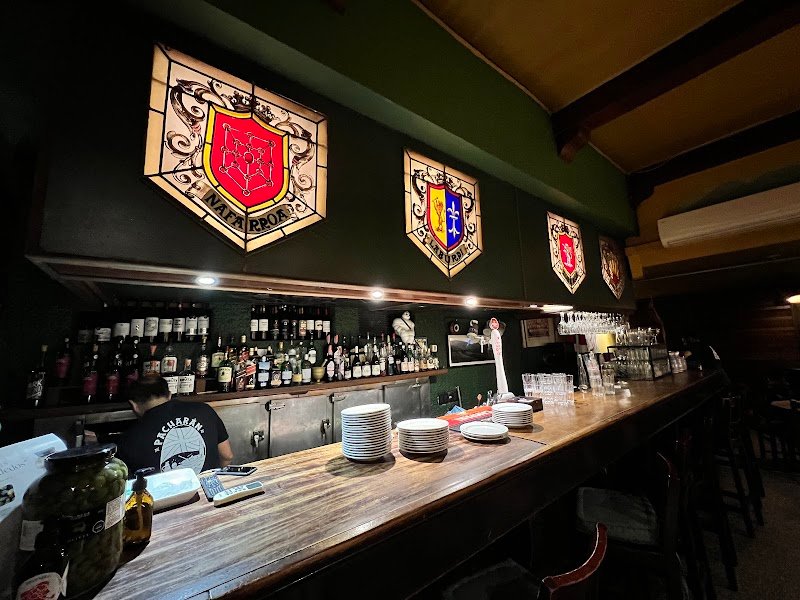
Pacharán Taberna Vasca

Pacharán Taberna Vasca

4.6 (4.1k reviews)
$$
LocationSan José 1168 primer piso, 11100 Montevideo, Departamento de Montevideo, Uruguay
Francis

Francis

4.6 (3.0k reviews)
$$$
LocationLuis de la Torre 502, 11300 Montevideo, Departamento de Montevideo, Uruguay
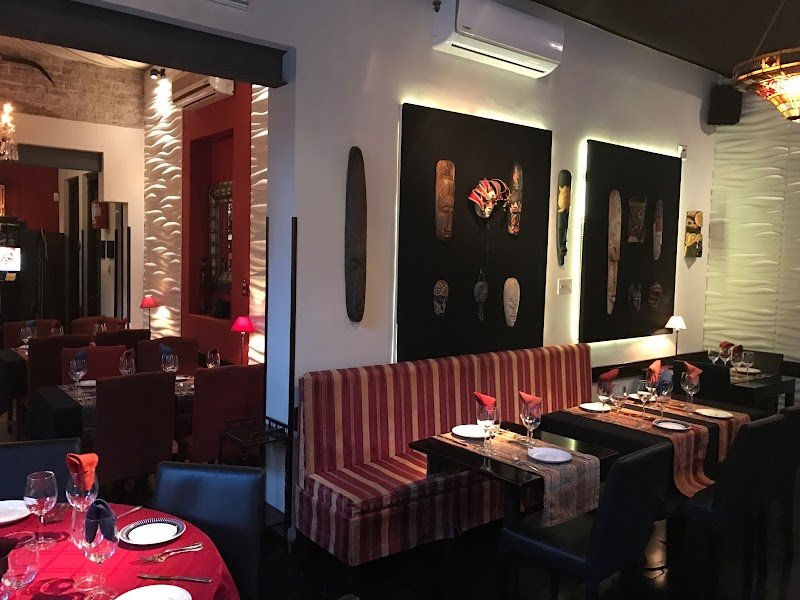
Restaurant Tandory

Restaurant Tandory

4.6 (1.8k reviews)
$$$$
LocationLibertad 2851, 11300 Montevideo, Departamento de Montevideo, Uruguay
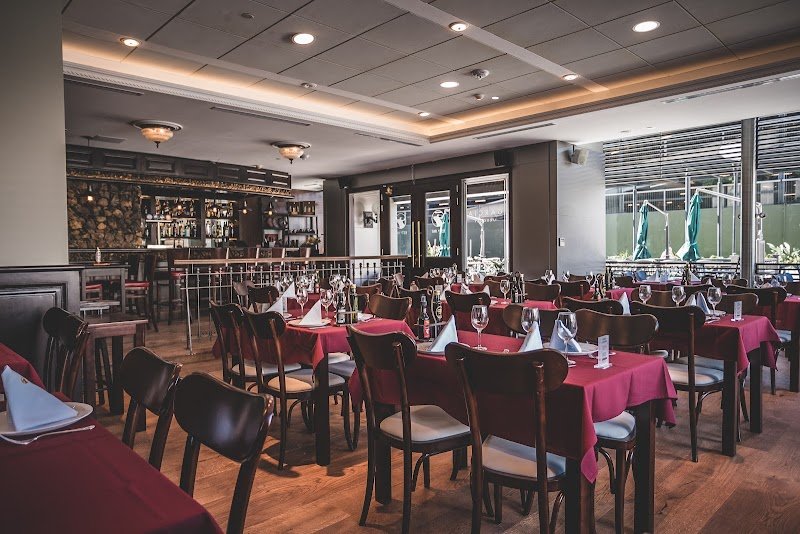
Garcia

Garcia

4.6 (3.3k reviews)
$$$
LocationGuipúzcoa 331, 11300 Montevideo, Departamento de Montevideo, Uruguay

Accommodations

You might picture Montevideo as a single beach city, sun-soaked and breezy. But living here taught me—each neighborhood changes the whole stay. Whether you want leafy quiet, artsy nights, or every amenity on your doorstep, location shapes your days. Your choice of area decides more than your view; it defines your pace, your flavor of Uruguay. Each part of Montevideo holds a different promise for travelers.

Neighborhood Overview

  • Ciudad Vieja: The city’s oldest heart feels like stepping into a movie set. Stone streets, art deco facades, and a buzz from morning markets to late-night tango bars. Best for night owls, art lovers, or foodies wanting classic parilla. Noise and crowds are part of the deal.
  • Pocitos: Young, lively, and steps from Montevideo’s famous Rambla. High-rises, corner cafes, and a cosmopolitan vibe make Pocitos ideal for active travelers and couples. The beach is never far—neither are the grocery stores or gyms.
  • Parque Rodó: Green spaces, student hangouts, and weekly markets. Parque Rodó mixes bohemian spirit with family-friendly spaces, like the large park and nearby museums. Excellent for travelers wanting culture and a laid-back pace, but expect traffic on weekends.
  • Carrasco: Leafy and upscale, Carrasco stretches near the airport. Wide streets, luxury hotels, and peaceful beach walks. Best for families and those seeking a quieter, safer vibe. Nightlife is limited, and you’ll need a car to get around.
  • Centro: Government buildings, daily business flurry, and grand plazas sit in Centro. Rates are lower here, and you get an authentic local experience. Less polished than Pocitos—more grit, but easier on the wallet.

Types of Accommodation

  • Hotels: International chains like Hyatt or Sofitel in Carrasco, or local boutiques in Ciudad Vieja. Expect $95–$250 per night, with top amenities.
  • Short-term Rentals: Airbnb, Vrbo, or local sites—cozy studios in Pocitos start around $40 per night. Great for longer stays and families.
  • Hostels and Guesthouses: Especially popular in Parque Rodó and Ciudad Vieja. Dorms as low as $15 per night, private rooms from $30. Social vibe—excellent for meeting people.

Insider Tips for Booking

  • Book city-center hotels and rentals early for December–February—peak summer fills up fast.
  • Expect rates to drop by 20–30% in winter.
  • Some rentals add a 10% local VAT tax for tourists—ask before confirming.

Nights end with the hum of the Rambla or the call of tango down a side street. No two stays feel the same in Montevideo—your choice of neighborhood is half your story. Here, each sunrise starts a different chapter. I still haven’t settled on a favorite.