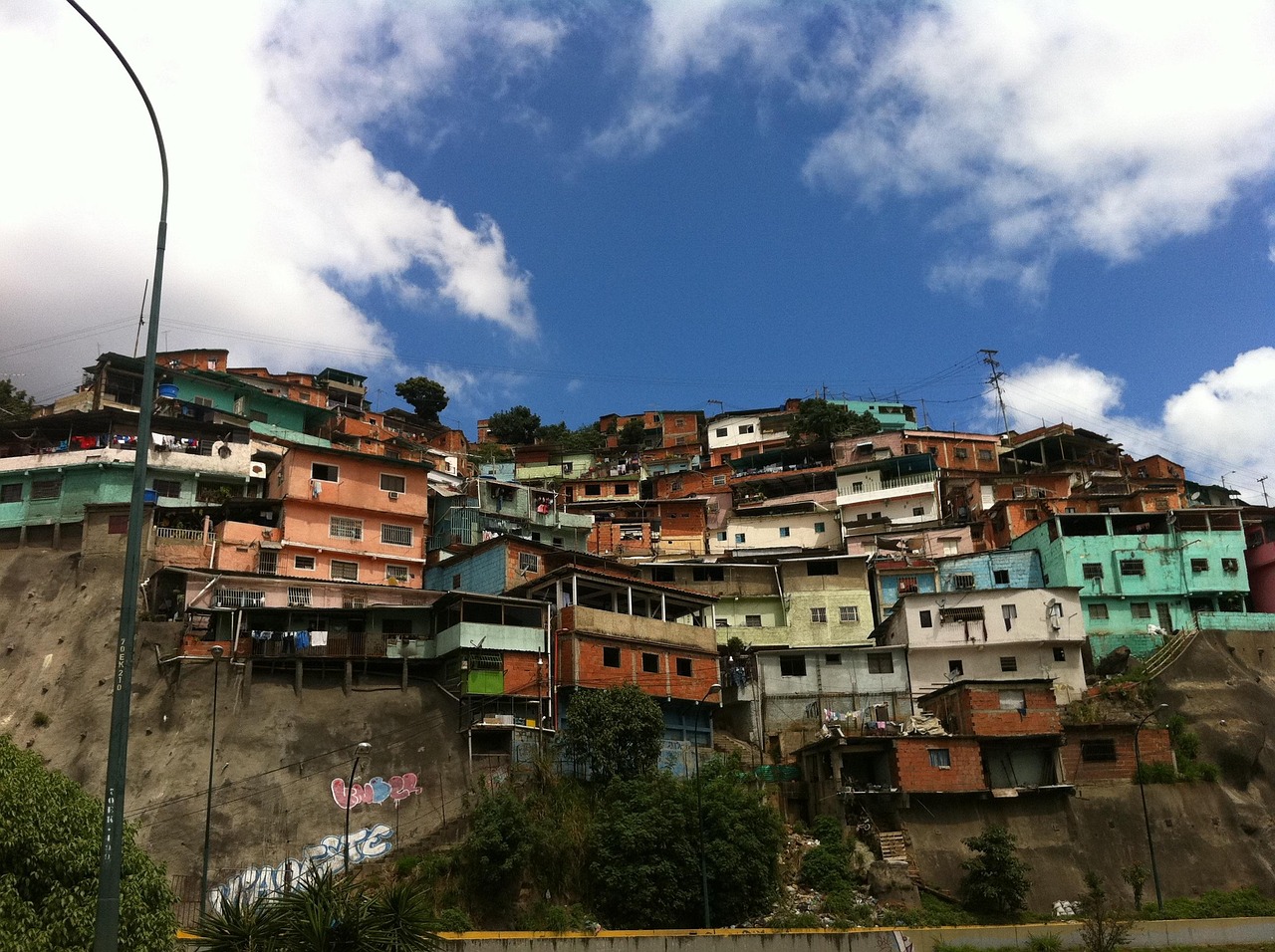
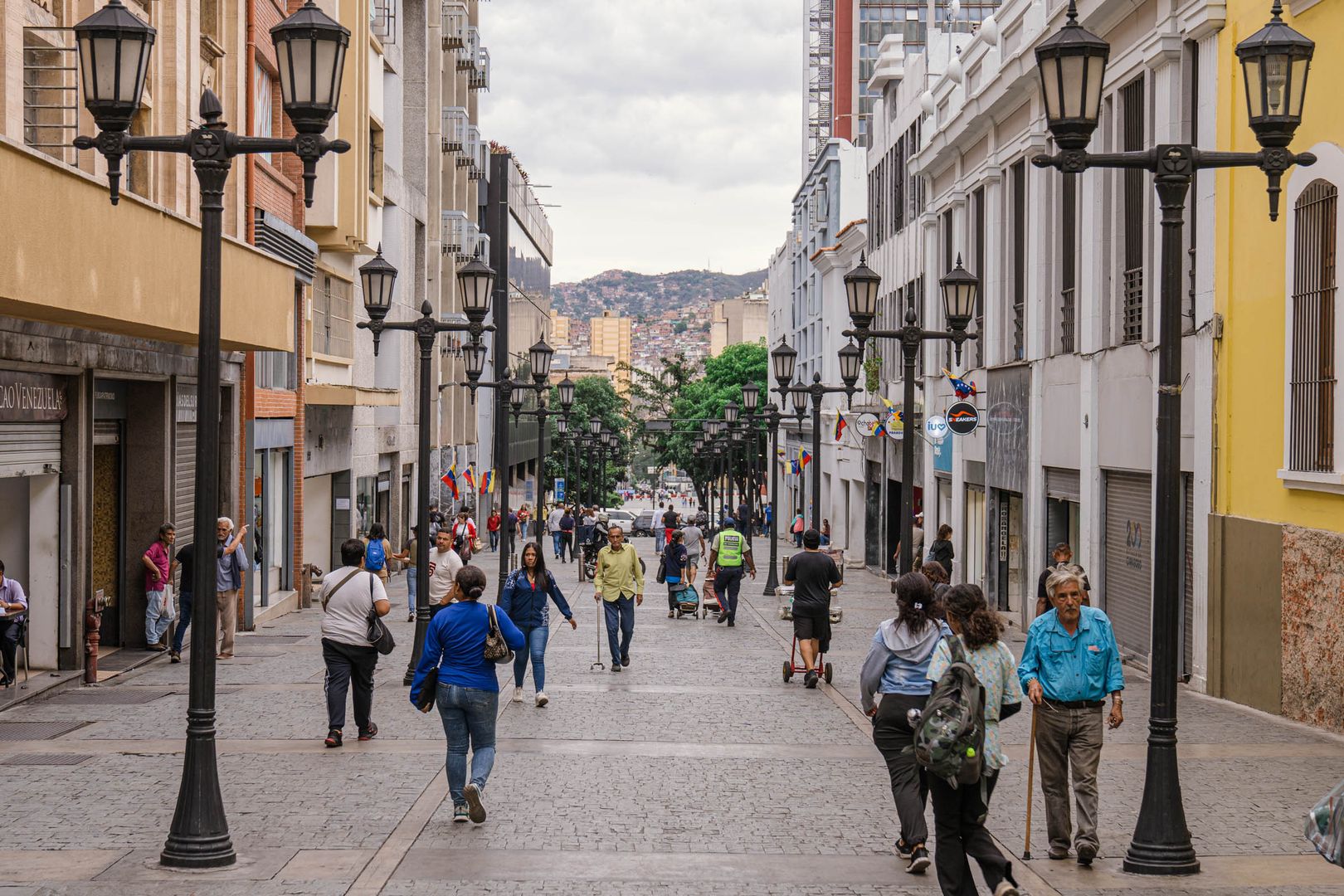
caracas, venezuela, slum, venezuelan neighborhood, caracas, caracas, caracas, caracas, caracas, slum
Beautiful view of Caracas
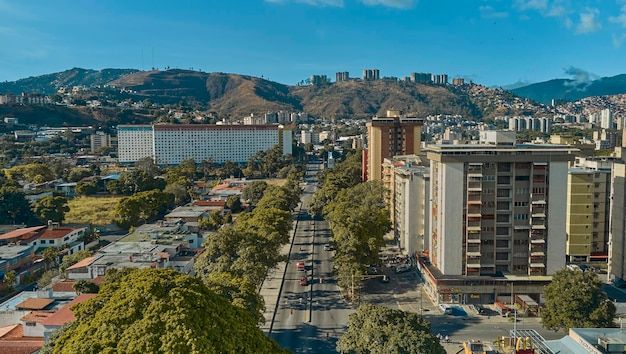
Ohiggins avenue caracas west viewpoint of the city venezuela
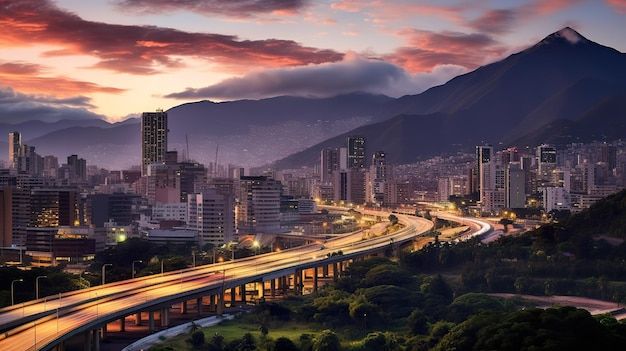
Venezuela Caracas

Caracas

Venezuela
CulturalUrban HighlightsEntertainment & LeisureMarketplace & ShoppingArt & Architecture
i

caracas, venezuela, slum, venezuelan neighborhood, caracas, caracas, caracas, caracas, caracas, slum

Photo by Anderele

Caracas hits you like a blast of warm air, thick with diesel and tropical flowers. In Sabana Grande, salsa spills from storefronts, mixing with street vendors’ cries. Arepas sizzle on griddles, their corn-sweet smell drawing lunchtime crowds. Up in El Ávila, the city shrinks to a patchwork of concrete and green, clouds grazing the peaks. Night falls and Bellas Artes buzzes with open-air bars and laughter, guitars echoing off murals. Petare’s sprawl feels chaotic but alive, its narrow alleys bright with painted houses. Caracas asks you to stay alert, but rewards with moments of raw, unexpected beauty.

Quick Facts

currency
VES
languages
Spanish
airports
Simón Bolívar International Airport
size
Large City
power
Type A, Type B
timezone
GMT-4
safety
Unsafe
costs
Moderate

General Information

Safety indexCaracas generally has a low safety index due to high rates of crime, including theft, robbery, and kidnapping. Travelers are advised to exercise extreme caution, stay in secure accommodations, avoid unfamiliar neighborhoods, and follow local updates regarding safety. Petty crime is common, and violent crime occurs even in popular areas.

Best Time to TravelThe best time to visit Caracas is from December to April, during the dry season. At this time, the weather is pleasant, with less rain, making it ideal for outdoor exploration and sightseeing.

Least crowded and still a good time to visitMay and November are considered shoulder months. These periods see fewer tourists than the peak dry season, the weather remains relatively good (intermittent showers rather than constant rain), and prices for accommodation and activities can be a bit lower.

BudgetCaracas can be affordable for visitors, with low prices for food and local transportation. However, inflation is high, and the availability of services and amenities can fluctuate. A daily budget of $40–$70 per person for budget travelers is typical, while mid-range options may cost $100 or more. Be prepared for cash transactions and bring US dollars, as credit cards are not always accepted.

Healthcare and VaccinationsHealthcare facilities in Caracas vary greatly in quality. Private hospitals are generally better equipped than public ones, but healthcare standards may not meet those of many Western countries. Travel insurance with medical evacuation coverage is recommended. Vaccinations for hepatitis A and B, typhoid, yellow fever (especially if visiting other parts of Venezuela), and routine vaccines are recommended. There is a risk of mosquito-borne diseases, so take precautions against bites.

Visa RequirementsVisitors from most European countries, the United States, and Latin America can enter Venezuela visa-free for short stays (tourism up to 90 days). Some nationalities require a visa or special authorization. Check with the Venezuelan consulate or embassy before travel, as entry requirements can change. Passport must be valid for at least six months after entry, and proof of onward travel may be requested.

Weather in Caracas

°C°F
3391
2882
2373
1864
1355
Jan
Feb
Mar
Apr
May
Jun
Jul
Aug
Sep
Oct
Nov
Dec
3020100
Avg. min. temperature
Avg. max. temperature
Avg. precipitation days

First-time travelers

Contrast defines Caracas. Enormous concrete towers hug green hills. Markets bustle in the shadow of skyscrapers. For a first-timer, the city can feel tangled, louder than expected, and bright with untamed possibility. This isn’t a tourist show; it’s everyday Venezuelan life on open display.

Sensory Overload in El Centro

Begin downtown, at Plaza Bolívar, where the scent of thick coffee battles its way through the noise of street vendors. Spend time just walking—people-watch where men in guayaberas play chess under mango trees, and schoolgirls crowd around helado carts. Caracas moves fast, but a well-timed pause will show its heart.

Eat, Listen, Connect

Street corners hum with the clatter of arepa grills. Try one from a neighborhood stand—stuffed with black beans and cheese, still hot in the hand. Listen for cuatro music wafting from an open doorway, voices rising as evening cools the pavement. Reach for a fresh-squeezed jugo de guanábana at Mercado de Chacao; the tart taste wakes you up.

  • Visit Galería de Arte Nacional for modern Venezuelan painters.
  • Wander El Calvario park for panoramic views and local families at play.
  • Sample cachapas (corn pancakes) at a kiosk in Parque Los Caobos.
  • Treat yourself to a cold papelón con limón on Avenida Urdaneta.

Caracas rewards curiosity. The city’s edges are hard, but share a smile—and the city will smile back.
Return travelers

Memory may color Caracas, but the city always offers more on the second visit. Familiar streets bring different rhythms, and neighborhoods you glimpsed before now welcome you in. Return travel means skipping the obvious, chasing deeper tastes, and weaving yourself into local patterns.

Barrio Art and Hidden Gardens

Trade downtown for the artistic lanes of San Agustín. Murals spill over walls. Salsa floats from apartment windows. This district’s energy comes alive at the Teresa Carreño theater—catch a rehearsal, not just a show. Seek out Los Palos Grandes’ Jardín Ecológico—a green retreat where city noise dims and native birds flit through the shade.

Conversations and Comfort Food

Join residents for empanadas de cazón at a no-frills spot like Empanadas de Isabel. Watch locals debate politics at Librería Alejandría, a cozy haven for city writers. Swap out Arequipe sweets for cocada, the icy coconut drink, at a sidewalk stall near Plaza Altamira. This is how Caracas unveils her easy laughter—beyond first impressions.

  • Take the Metrocable to Parque Central for hilltop cityscapes and community art spaces.
  • Browse for vintage records at Disco Club on Sabana Grande Boulevard.
  • Relax in La Estancia’s quiet garden walkways, far from traffic.
  • Strike up a chat with a local artist at Café Arábica.

Come back to Caracas open to discovery. Each return lets the city reveal another layer—one that feels more like home.

Must-see locations

Google Places photo
i

Google Places photo

Photo by victor garcia

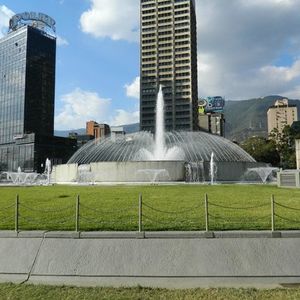
Plaza Venezuela

Plaza Venezuela, at the city’s vibrant crossroads, buzzes with fountains, local vendors, and colorful sculptures. Dance troupes fill the gardens, while the nearby UCV campus pulses with student energy and open-air art.

Learn More
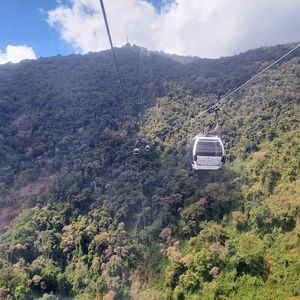
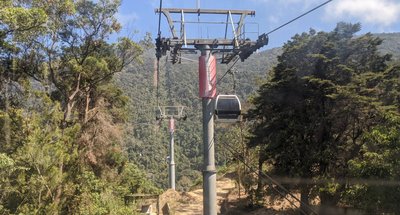
Caracas cable car

Caracas cable car

Rising from bustling Caracas into cool mountain air, the Caracas cable car delivers sweeping city views, dramatic Avila National Park scenery, and fresh arepas at Galipán village—plus weekend markets and live music on the mountaintop.

Learn More
Google Places photo
i

Google Places photo

Photo by Ramón Ferrer

Avila National Park In Venezuela

Avila National Park rises above Caracas, home to lush forests, rugged trails, and the famous Humboldt Hotel. Hike toward Galipán village, spot orchids, taste local arepas, and watch sunsets glow over colonial rooftops.

Learn More
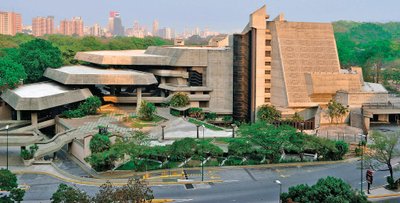
Teresa Carreño Theater

Teresa Carreño Theater

Teresa Carreño Theater in Caracas draws crowds for world-class ballets, operas, and concerts in striking modern halls. Locals unwind in the buzzing foyer or explore lush nearby parks like Los Caobos for a cultural escape.

Learn More
Google Places photo
i

Google Places photo

Photo by Leonardo Gutierrez

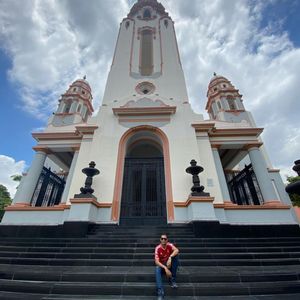
National Pantheon

The National Pantheon in Caracas captures Venezuela’s spirit, housing heroes like Simón Bolívar beneath soaring ceilings. Marble halls echo with history. Visitors join guided tours, view ornate tombs, and take in murals honoring independence.

Learn More

How to get there

By air

The main gateway to Caracas is Simón Bolívar International Airport (also called Maiquetía), around 21 km from the city center. It's the primary entry point for international and domestic flights.
Options to get to town:
Taxi
Price:
US$25-35 (depending on your negotiation and time of day)
Duration:
30-60 minutes, depending on traffic
Where to buy:
Official taxi rank at airport arrivals or pre-paid taxi counter inside terminal
Airport bus
Price:
US$2-4 (payable in local currency)
Duration:
40-70 minutes
Where to buy:
Tickets purchased directly from driver or at the bus stop outside the terminal
Train/shuttle
Price:
N/A - No direct train or dedicated airport shuttle currently exists
Duration:
Where to buy:

By train

There are currently no regular passenger train services connecting Caracas with other major cities. Some suburban rail lines serve parts of the greater metropolitan region, but they are not relevant for long-distance arrivals.
Useful websites for train tickets:

By car

Caracas is connected to other Venezuelan cities and neighboring countries by a network of highways and roads. The Autopista Regional del Centro links Caracas to Maracay and Valencia to the west. Ensure you are aware of safety and fuel considerations before driving.
Additional charges to be aware of:
Toll / vignette / emission sticker
Cost:
US$1-3 per highway segment (payable in cash at toll booths)
How to pay:
At toll booths on highways
Other driving costs
Cost:
Variable fuel costs (often much cheaper than international standards); occasional police checks may require small local payments
How to pay:
Fuel at service stations; occasional road fees paid directly on the road

By ferry

There are no ferries connecting Caracas directly to other cities or islands. The city does not have passenger ferry terminals or services for inter-city or international travel.
Useful websites for ferry tickets:

How to get around

Public transport

Public transport
Caracas features an affordable Metro system (Metro de Caracas) with several lines serving most key areas, as well as a network of city buses. The Metro is generally considered safer and more reliable, especially for visitors, than above-ground buses. Most public transport operates from early morning to late evening.

Ticket options:
Ticket TypePriceWhere to buy
Single ticketAround 4-6 VES per rideMetro stations (ticket counters or machines)
Day passNot commonly availableN/A

Taxis & ridesharing

Taxis & ridesharing
Official taxis are readily available at major points such as hotels, shopping centers, and the airport. For added convenience and safety, ridesharing apps are also used (with Yummy Rides and Ridery among the local options). It is advisable to agree on a fare before setting off with street taxis. Ridesharing offers more transparent pricing.

Service providers:
ProviderPriceHow to book
Local taxiFares vary; usually negotiated before tripTaxi stands or hailed on the street
Ridesharing appPrices vary by distance and demandYummy Rides, Ridery apps

Car rental

Car rental
Car rentals are available from both international and local companies at the airport and in the city. Renting a car is best for experienced drivers because of heavy traffic, unique driving habits, and occasional security concerns. Fuel is inexpensive, but plan routes carefully due to traffic congestion.

Rental options:
ServicePriceHow to book
Daily rentalStarts around $40-50 USD per dayInternational and local rental agencies in the city or at the airport
Weekly rentalFrom $250 USD per weekRental agency offices or their official counters at the airport

Bike & scooter rental

Bike & scooter rental
Caracas does not have a widespread bike or scooter rental system. Some parks or certain areas may have small, private businesses offering hourly rentals, particularly for leisure rather than urban commuting. Biking on main roads is not common due to city traffic and safety considerations.

Rental options:
ServicePriceHow to book
Bike rentalFrom $3-5 USD per hour (where available)Private kiosks in parks or recreation areas
Scooter rentalLimited availabilitySmall businesses in select areas

What to eat

Crackling oil, soft arepas, and guava-sugar scents wafting from kitchen windows—this is Caracas at mealtime. Every corner vibrates with life and the echo of street vendors calling out their menus. Fresh fruit stands dot busy roads, offering a juicy break from the heat. Bakeries hum late into the night, tempting even the strongest-willed with sugary tequeños. Exploring Caracas means letting your senses—and appetite—lead the way. Here, you don’t just taste food. You taste Venezuelan pride, patience, and invention.

Signature Dishes

  • Arepas: Cornmeal patties crisped on the griddle and stuffed with black beans, cheese, shredded beef, or avocado-chicken salad. Caracas’ comfort on a plate. Each combination carries a story.
  • Pabellón Criollo: Venezuela’s national dish—stewed shredded beef, sweet fried plantains, spiced black beans, and white rice. Both hearty and subtly sweet.
  • Empanadas: Deep-fried corn pockets bursting with everything from shark to creamy cheese or minced meat. Crunchy outside, lava-hot inside, especially from late-night bodegas.
  • Cachapas: Pillowy-sweet corn pancakes folded over melted queso de mano. Best fresh from a market griddle, butter sizzling.

Street Food & Markets

Plaza Venezuela buzzes by day with aromatic food carts. Arepas and empanadas land hot in your hand, salty and rich. For something refreshing, vendors slice open ripe mangoes sprinkled with salt and lime. At Mercado de Quinta Crespo, walk past fishmongers, cheese pyramids, and piles of local fruit. Look for hallacas in December—corn dough parcels filled with stew, olives, and raisins, wrapped in banana leaves. Prices can spike for tourists, so watch and follow locals to their favorite stalls. Expect packed aisles and lots of laughter during peak hours.

Sweet Treats & Drinks

Bakeries feature golfeados—soft, sticky-sweet rolls dotted with anise and caramelized cheese. Try papelón con limón, a cooling drink made from raw sugarcane syrup and lime, ideal in the tropical heat. At merienda hour, sip thick hot chocolate or café marrón. Street vendors may tempt you with quesillo, a creamy caramel flan. Caracas turns dessert into a celebration.

Why Travelers Eat Here

  • Vibrant Fusion: Indigenous, African, and European flavors woven into every meal.
  • Dynamic Markets: Bustling local markets and food stalls bring energy and authenticity.
  • Street Snack Culture: Arepas, empanadas, and fresh fruit—affordable, delicious, always within reach.
  • Warm Hospitality: Caracas eateries welcome newcomers like old friends around the family table.

At sunset, the city glows and grills sizzle. Caracas pulse and flavor linger—long after your last bite.

Top Rated Restaurants

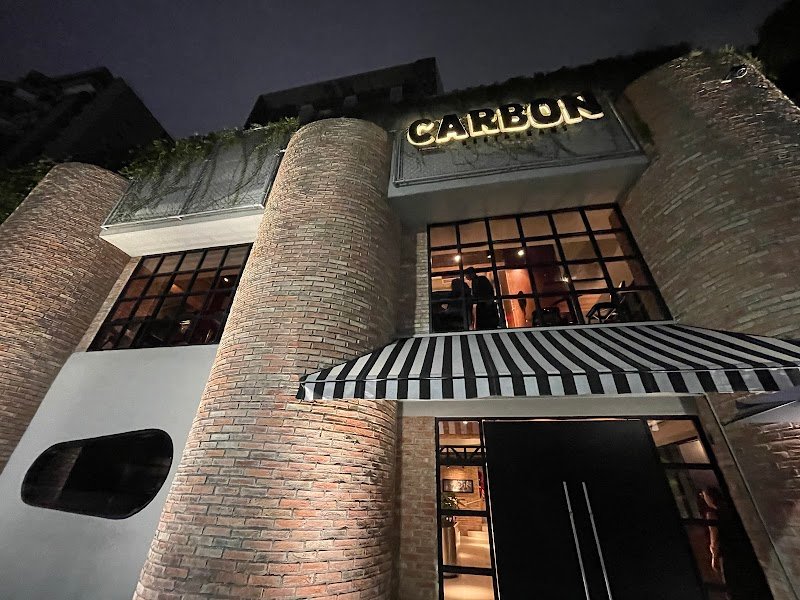
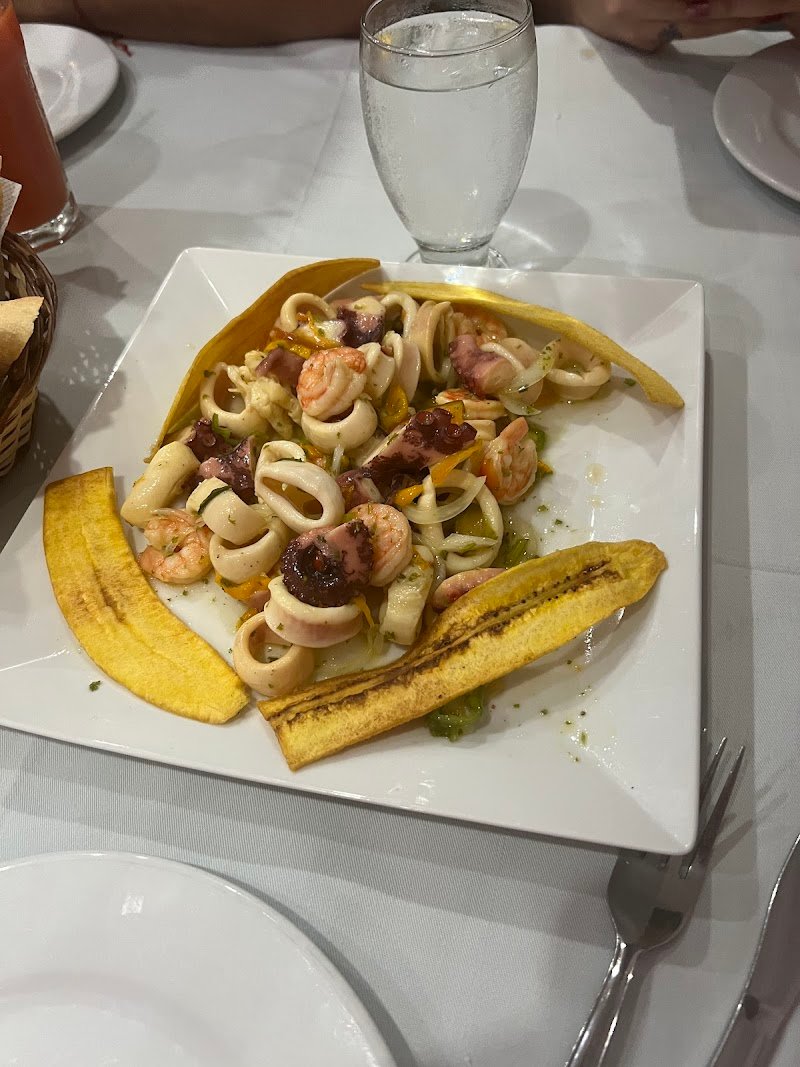
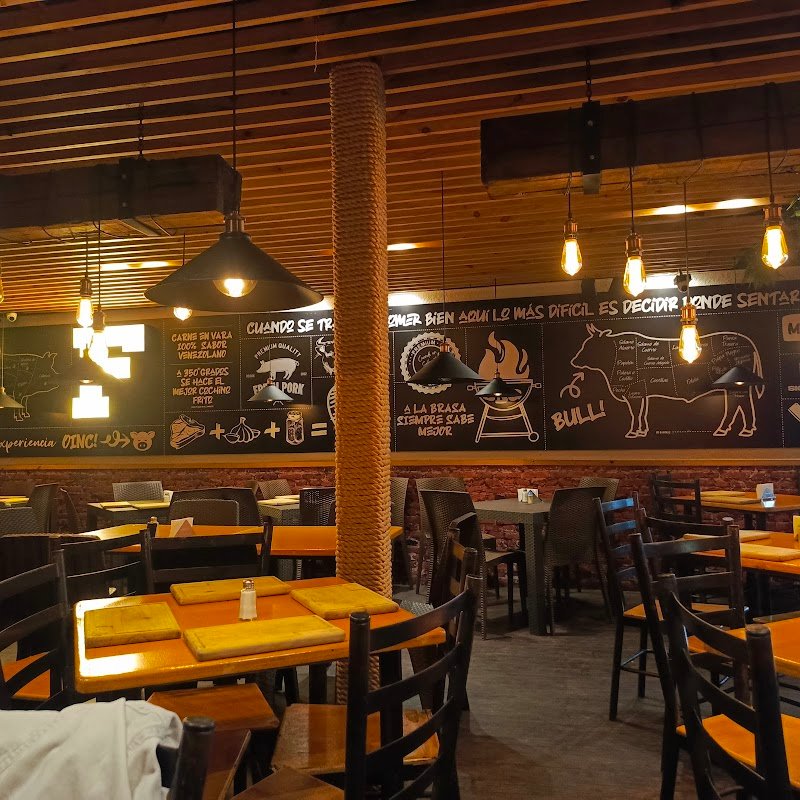
Carbón Restaurant

Carbón Restaurant

4.6 (1.4k reviews)
$$
LocationAv Eugenio Mendoza, Trans. 1, Caracas 1060, Distrito Capital, Venezuela
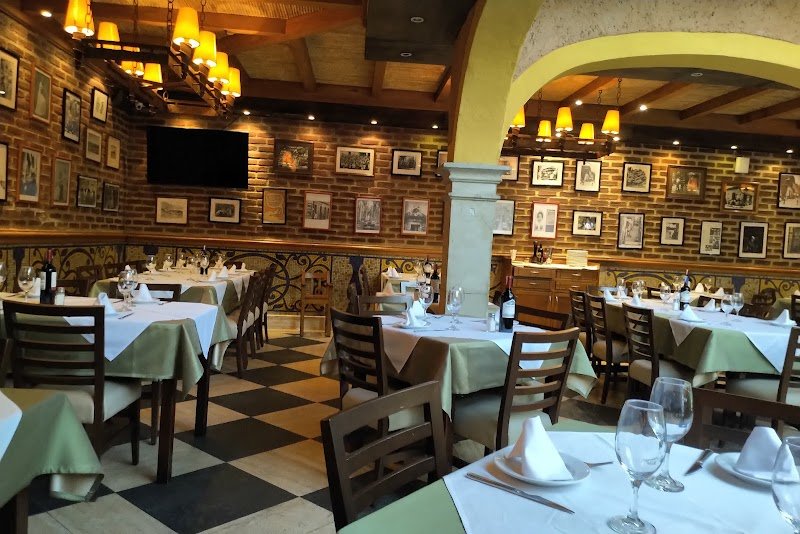
Restaurante El Limón

Restaurante El Limón

4.6 (2.4k reviews)
$$
LocationG32R+VX7, Av. Lecuna, Caracas 1011, Distrito Capital, Venezuela
La finca Restaurante

La finca Restaurante

4.6 (503 reviews)
$$
Location1030 G372+WHH, Caracas 1030, Caracas 1039, Distrito Capital, Venezuela
Rest. Maute Grill

Rest. Maute Grill

4.6 (2.9k reviews)
$$$
LocationQta. El Portal Av. Río de Janeiro, Caracas 1060, Distrito Capital, Venezuela
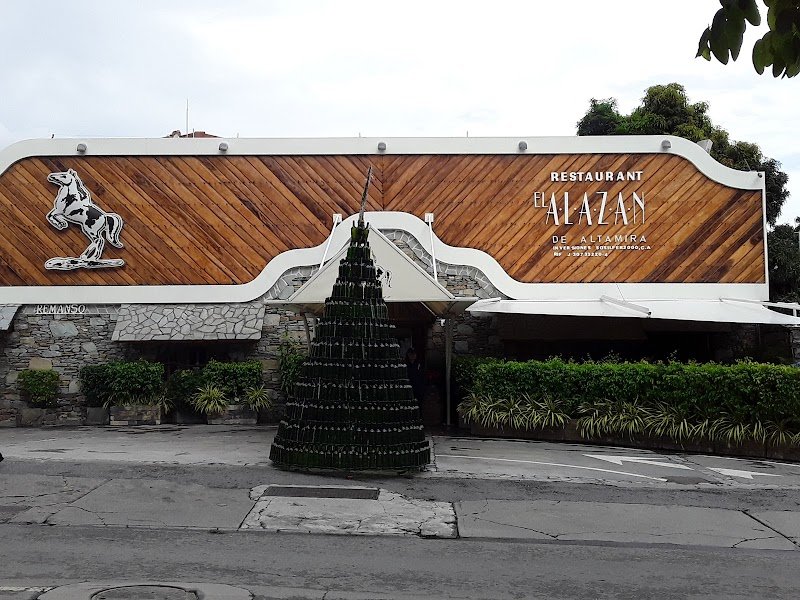
El Alazan

El Alazan

4.6 (3.4k reviews)
$$
Location4ta Trans. 4, Caracas 1060, Miranda, Venezuela

Accommodations

Arriving in Caracas, you feel both the mountain hush and the city’s restless pulse. A place where modern towers lean into leafy hills. Where the right room is more than a spot to sleep—it sets the mood for your whole trip. From glossy downtown hotels to family-run posadas, where you stay changes how you see the city each morning.

Neighborhood Overview

  • Altamira—Elegant, walkable, and green. The plaza buzzes at dusk, families and couples mixed among café tables. Safe streets and central location suit business travelers and anyone wanting to explore El Ávila National Park.
  • Las Mercedes—Trendy by night, stylish by day. Known for upscale dining and lively bars, this is party central for night owls and young professionals. Weekends can get noisy.
  • El Rosal—Caracas’ business heart. Towering offices and sleek hotels set the tone. Days are brisk with meetings and coffee runs, but evenings turn quiet. Good for business travelers with little time to spare.
  • Sabana Grande—Bustling, vibrant, maybe a bit rough around the edges. Budget hotels rub shoulders with fast-food joints and boutiques. Ideal for backpackers and students chasing value and action—though petty crime means you should stay alert.
  • La Castellana—Safe, cosmopolitan, and leafy. High-end apartment buildings and chic bars. Expat families and diplomats favor this area for its calm and convenience.

Types of Accommodation

  • International Hotels—Options like JW Marriott or Renaissance. Rooms start around $120–$180 USD per night. Business traveler favorites with strong security and pools.
  • Boutique Hotels—Examples like Hotel Altamira Village or Cayena. Cozy, unique, with personal touches. Expect $90–$150 per night.
  • Guesthouses and Posadas—Homey feel, such as Posada La Pastora. Friendly hosts, simple comforts. $35–$70 per night, best for families and solo travelers.

Insider Tips for Booking

Book at least four weeks ahead if arriving during holidays or summer. Rates jump in December and Easter. Some properties list prices in USD but expect to pay the local tax (IVA). If you prefer a receipt, ask before paying—some smaller hotels may skip this step.

As dusk settles and the clouds wrap the hills, every Caracas room feels different. Whether listening to distant salsa from a balcony or waking beside the park’s green hush, the right base offers the city’s best smiles—and its honest edges.