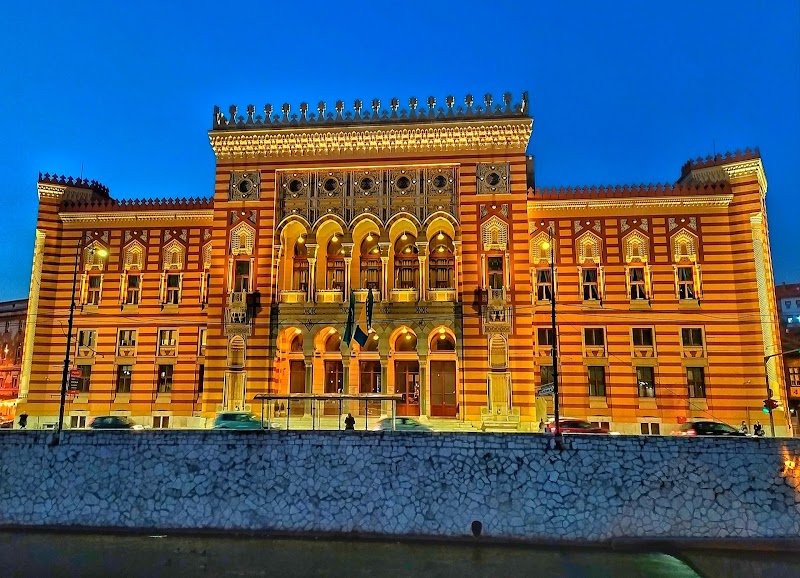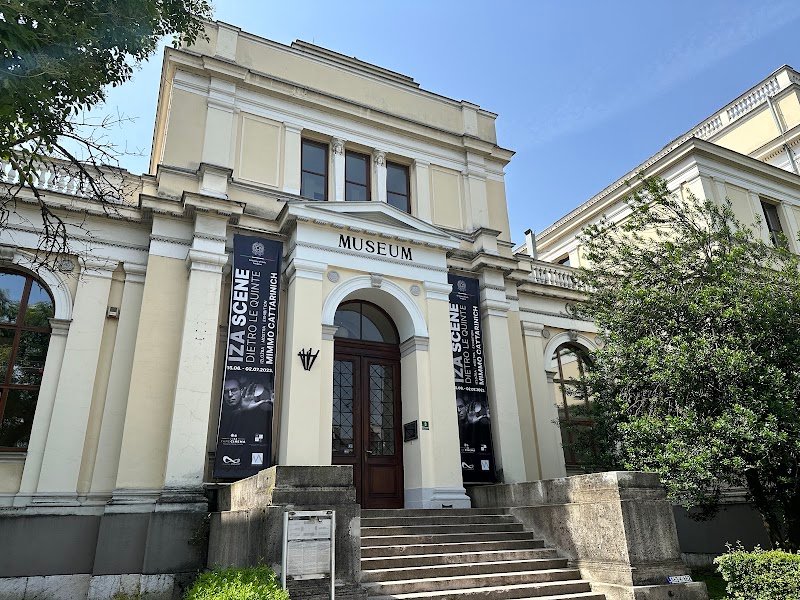
Google Places photo

Sarajevo Meeting Of Cultures

Sarajevo, Bosnia and Herzegovina
i

Google Places photo

Photo by Sam Hsieh

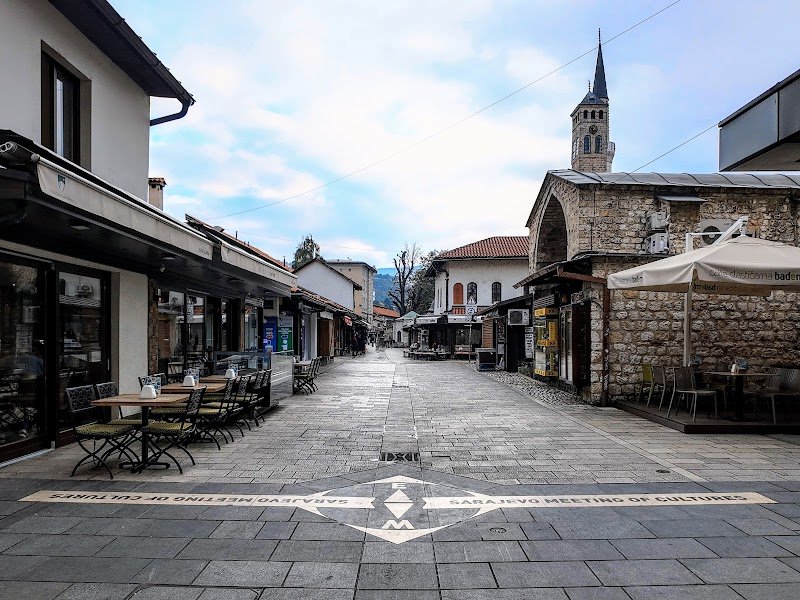
Energy gathers where cultures converge, and nowhere is this more striking than at Sarajevo Meeting of Cultures. Here, a single line across the cobblestones marks the spot where East and West shake hands. This landmark is more than a geographic curiosity. It’s an open-air testimony showcasing the city’s journey through imperial ambitions, conflict, and reunion. Every step along this invisible border tells the story of multiple worlds learning to coexist on one street.

Visiting Info

Currency
Entrance fee
Free
Hours
Opening hours
Monday: Open 24 hours
Tuesday: Open 24 hours
Wednesday: Open 24 hours
Thursday: Open 24 hours
Friday: Open 24 hours
Saturday: Open 24 hours
Sunday: Open 24 hours

Contact Information

Location
Address
Ferhadija 43, Sarajevo 71000, Bosnia and Herzegovina

Planning your visit

For travelers eager to experience the Sarajevo Meeting of Cultures, a bit of planning ensures an engaging and comfortable visit. The landmark sits in the heart of the city, where pedestrian streets blend Ottoman and Austro-Hungarian influences in architecture and mood. While the spot is open year-round and always accessible, timing and simple preparations can shape the experience, from serenity in early mornings to the lively afternoon energy as locals and visitors mingle.

  • Best time to visit: Spring and fall offer mild temperatures and thinner crowds; early mornings and late evenings grant more space for reflection and photos.
  • How to get there: Take tram lines that wind through the city center, or enjoy a leisurely walk from most central hotels and hostels. Taxis and rideshare services are reasonable options as well.
  • Accessibility: The area around the landmark is mostly flat and pedestrian-friendly, with ramps at nearby corners for families or visitors with limited mobility.
  • Average visit duration: Most travelers spend 30-60 minutes at the landmark itself, but exploring nearby shops, cafes, and museums can stretch the experience to a half-day adventure.
Must see stuff

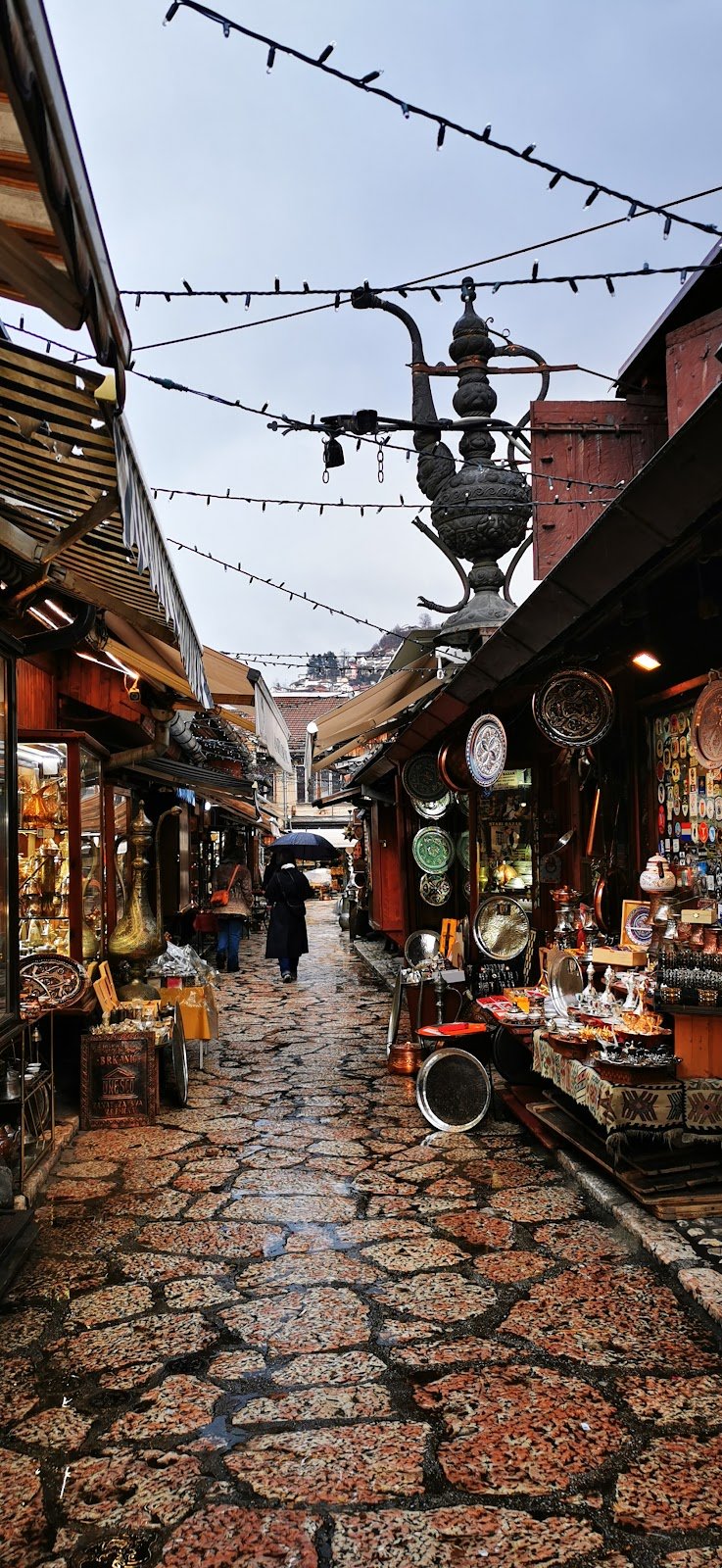
The Sarajevo Meeting of Cultures boasts more than a line on the pavement—it links two neighborhoods with their own signatures. Step one direction toward Ferhadija Street to see broad Austrian facades, bookshops, and Viennese cafés. Wander the other way into the Baščaršija, where minarets spike the skyline, shop windows glow with copper goods, and the aroma of fresh burek tempts every passerby. The landmark works best when visitors linger, let their senses wander, and soak in the details of daily life in these twin districts.

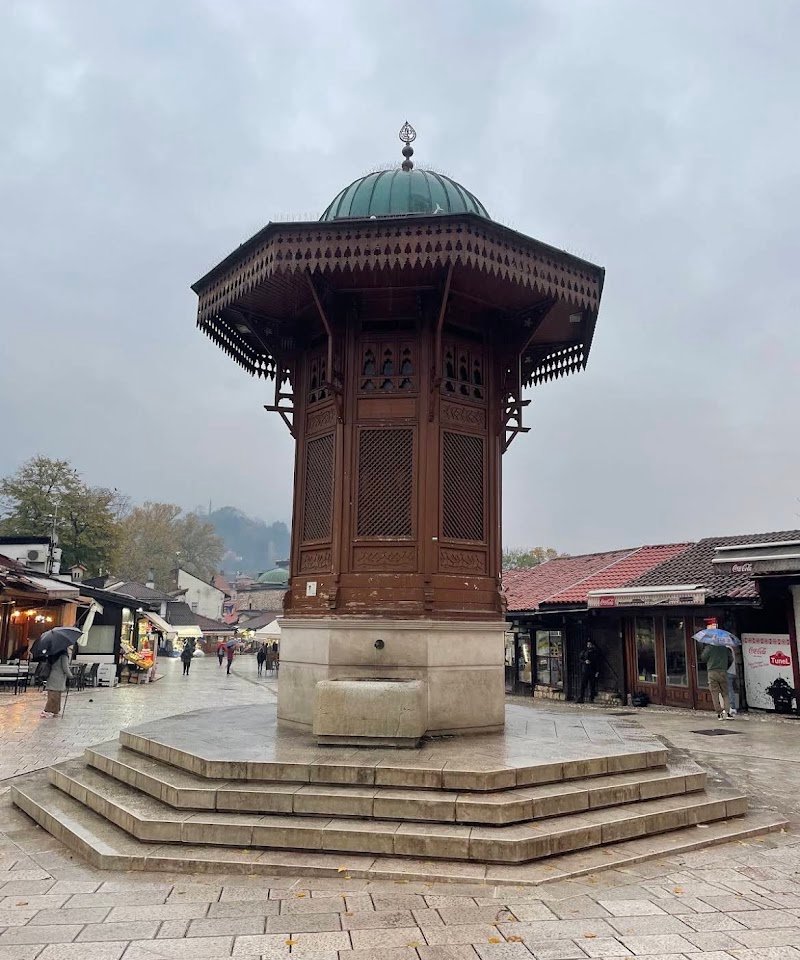
  • Key sights and features: The clear line on the ground labeled "Sarajevo Meeting of Cultures" is the central spectacle. Nearby, the Sebilj Fountain and Gazi Husrev-beg Mosque beckon with history and beauty.
  • Unique experiences: Pause at open-air café tables to people-watch as styles and languages mix. Seek guided walking tours for in-depth stories about Ottoman markets and Austro-Hungarian palaces. Visit at dusk to hear mosque calls overlap with the ringing of church bells—truly a city symphony.
  • Photo-worthy locations: Snap a shot straddling the meeting line, capture the golden light along Ferhadija Street, or frame the Baščaršija’s twisting alleys and lively bazaars.
  • Cultural or historical facts: The meeting line marks centuries of cultural shift, symbolizing Sarajevo’s resilience through wars and empires. The mix of mosques, synagogues, cathedrals, and churches within a few blocks sets the city apart as a crossroads of peace and diversity.

Tips for your visit

While the Sarajevo Meeting of Cultures won’t demand a ticket or strict schedule, a few small steps can make any trip more meaningful. Peak hours mean more groups and street vendors, but visiting during lulls unlocks personal space and quiet discovery. The area comes alive rain or shine, though uneven stones mean comfortable shoes win the day. Most vendors and hosts are eager to share stories, but polite curiosity always opens more doors than rushing through with a camera snapping.

  • Best times to avoid crowds: Visit before 10 AM or after 7 PM for a calmer stroll. Weekdays tend to be less busy than weekends.
  • What to bring: Refillable water bottles, a camera or phone for pictures, and sturdy walking shoes for hours of exploration.
  • Local etiquette or rules: Modest clothing works well in the old town. Always ask before photographing locals or religious sites. Friendly greetings go a long way in both shops and mosques.
  • Safety or comfort advice: Watch for slick stones after rain. While the city is safe for visitors, pickpockets sometimes linger at crowded corners. Keep bags and wallets close.

Similar Attractions