Google Places photo

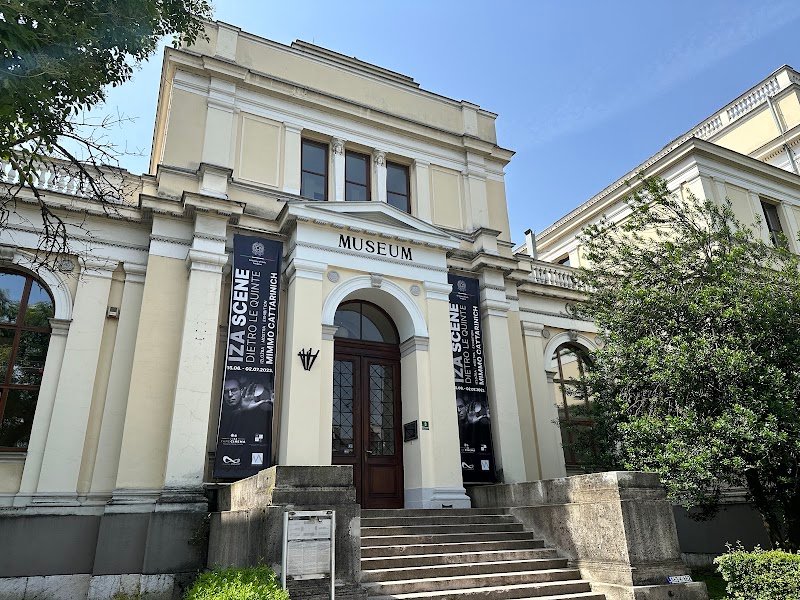
The National Museum of Bosnia and Herzegovina

Sarajevo, Bosnia and Herzegovina

In the heart of Southeast Europe, one landmark stands as a keeper of memory, beauty, and complexity: The National Museum of Bosnia and Herzegovina. This historic institution brings together centuries-old treasures, local artifacts, and natural wonders that tell the story of a nation at the crossroads of cultures. Between airy courtyards, ancient relics, and colorful displays, every corridor promises both discovery and reflection. Whether visiting for an hour or an afternoon, explorers find surprises behind each wooden door.

Visiting Info

Currency
Entrance fee
20 BAM
Hours
Opening hours
Monday: Closed
Tuesday: 10:00 AM – 7:00 PM
Wednesday: 10:00 AM – 7:00 PM
Thursday: 10:00 AM – 7:00 PM
Friday: 10:00 AM – 7:00 PM
Saturday: 10:00 AM – 6:00 PM
Sunday: 10:00 AM – 6:00 PM

Contact Information

Location
Address
Zmaja od Bosne 3, Sarajevo 71000, Bosnia and Herzegovina

Planning your visit

Early planning makes all the difference when visiting The National Museum of Bosnia and Herzegovina. Located just south of Sarajevo’s bustling city center, the museum is easy to reach by tram, taxi, or even a pleasant walk through tree-lined streets. Weekends and school holidays often bring larger crowds, while mornings tend to offer quieter galleries for unhurried exploring. Tickets are affordable, though lines can be slow during busy hours. The museum’s layout is accessible, though parents with strollers or those with mobility aids may want to plan extra time for ramps and elevators.

  • Best time to visit: Spring or fall weekdays, early mornings for fewer crowds
  • How to get there: Accessible via Sarajevo’s tram line, taxis, or a 20-minute walk from the city center
  • Accessibility: Suitable for families and seniors; elevators and gentle ramps are available in most sections
  • Average visit duration: 2 to 3 hours for highlights, up to half a day for deeper exploration
Must see stuff

Inside The National Museum of Bosnia and Herzegovina, every hall reveals a different world. The main building, a stately Austro-Hungarian structure, welcomes visitors with peaceful courtyards and grand staircases. The museum’s most famous treasure, the illuminated Sarajevo Haggadah, draws historians and the curious alike with its vivid illustrations and turbulent past. Nearby, ethnographic exhibits showcase intricate folk costumes, everyday tools, and centuries-old crafts, while the Archaeology Pavilion houses Roman mosaics, ancient jewelry, and medieval tombstones called stećci. For nature lovers, a lush botanical garden flourishes in an inner courtyard, offering a quiet spot to rest and imagine rural Bosnia. Beyond the highlights, quiet galleries feature rotating art displays, old city maps, and hidden stories from every era of the country’s history.

  • Key sights: The Sarajevo Haggadah, archaeological finds, folk costume collection, botanical garden
  • Unique experiences: Quiet time in the garden, specialized temporary exhibits, glimpses of traditional music instruments
  • Photo-worthy locations: Central staircase, glass-ceilinged halls, garden walkways
  • Cultural facts: Home to the finest collection of medieval tombstones in the region, and source of stories from the Ottoman, Austro-Hungarian, and Yugoslav eras

Tips for your visit

Exploring the museum becomes even better with a few insider tricks. Arriving near opening time means clear halls and easier photos. In cooler months, the historic building can feel drafty, so an extra layer helps. Bringing a reusable water bottle is wise—there is a small café, but options are limited. Respectful quiet behavior in certain exhibition rooms keeps the experience pleasant for others, especially near religious artifacts. English-language guides or brochures are helpful, but not always plentiful, so consider downloading information in advance. A bit of patience with minor repairs or occasional closed sections pays off. Exploring nearby, visitors discover small bookstores and coffee bars that keep the experience going even after leaving the museum gates.

  • Best times to avoid crowds: Weekday mornings right at opening
  • What to bring: Water, camera, comfortable walking shoes, light jacket in cool weather
  • Local etiquette: Speak quietly in galleries, avoid touching displays, ask before photography in sensitive rooms
  • Safety or comfort advice: Watch for uneven floors or wet steps in the garden after rain

Similar Attractions