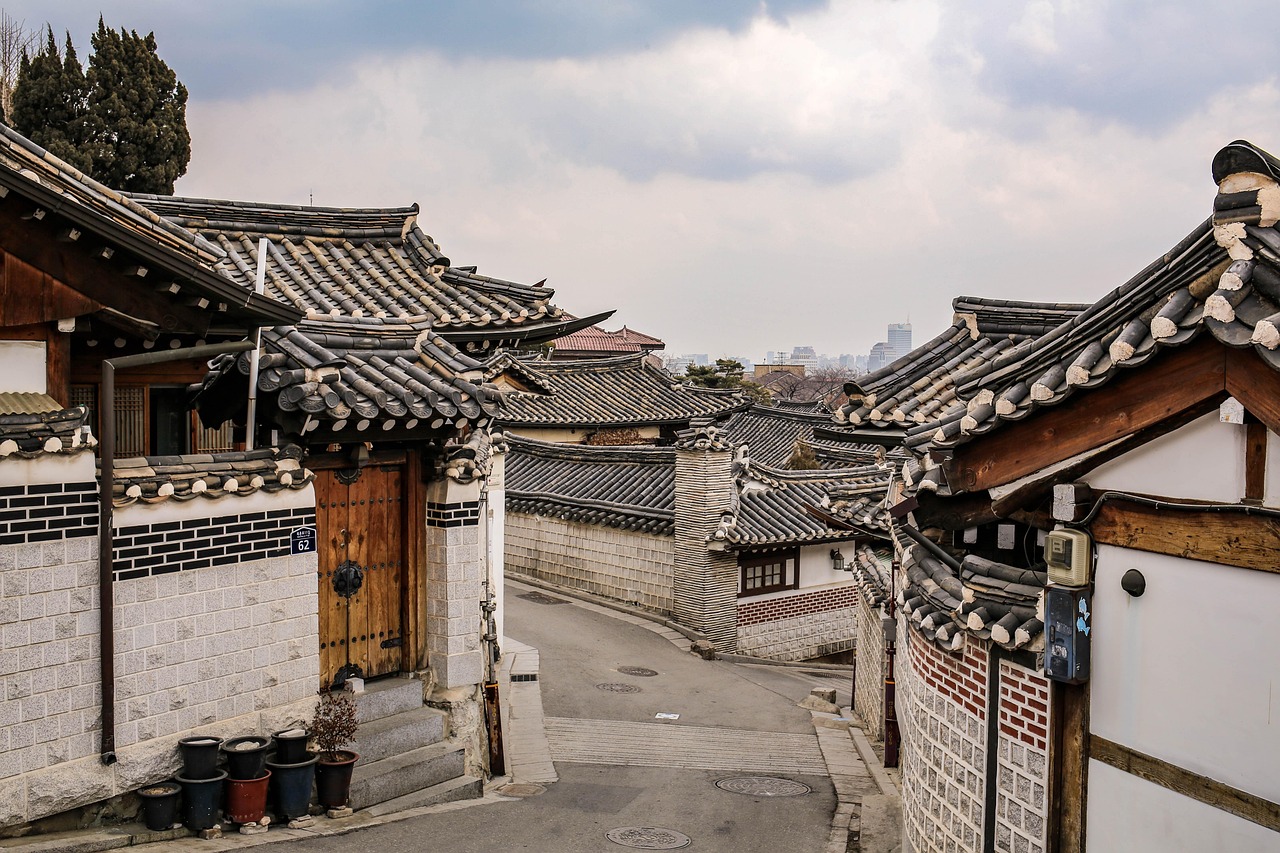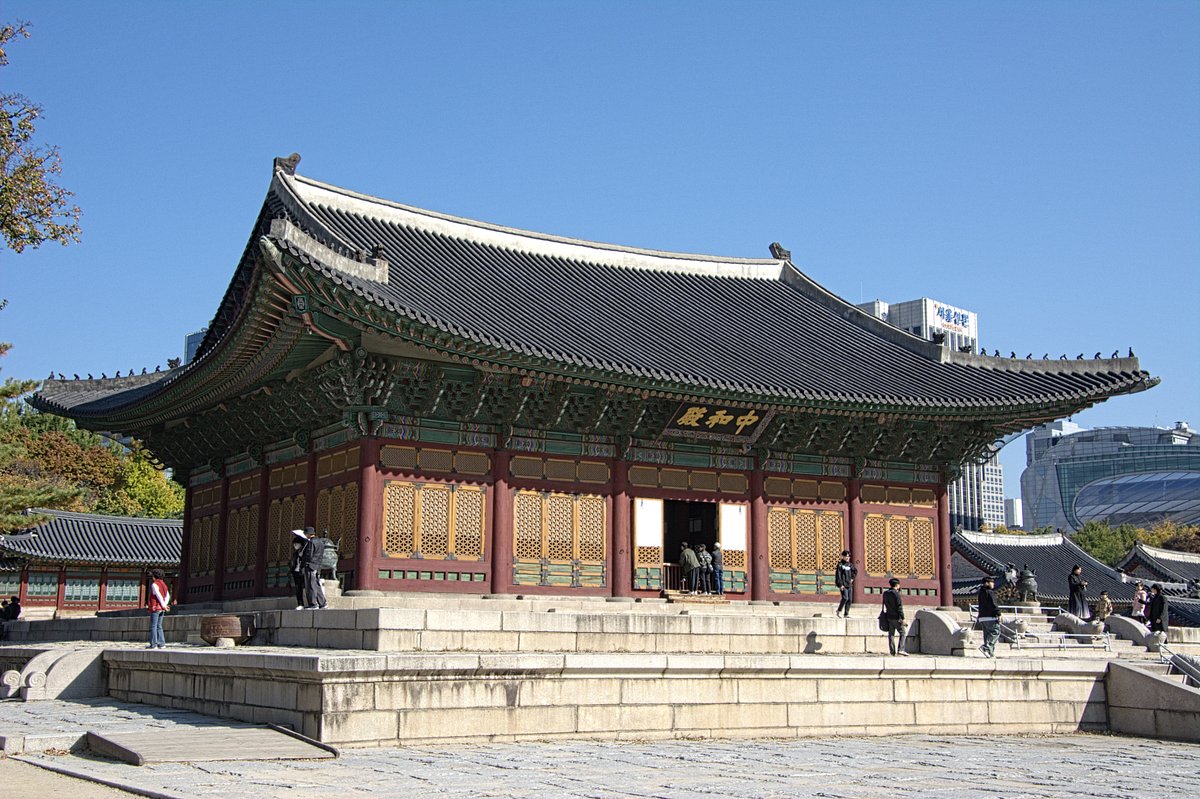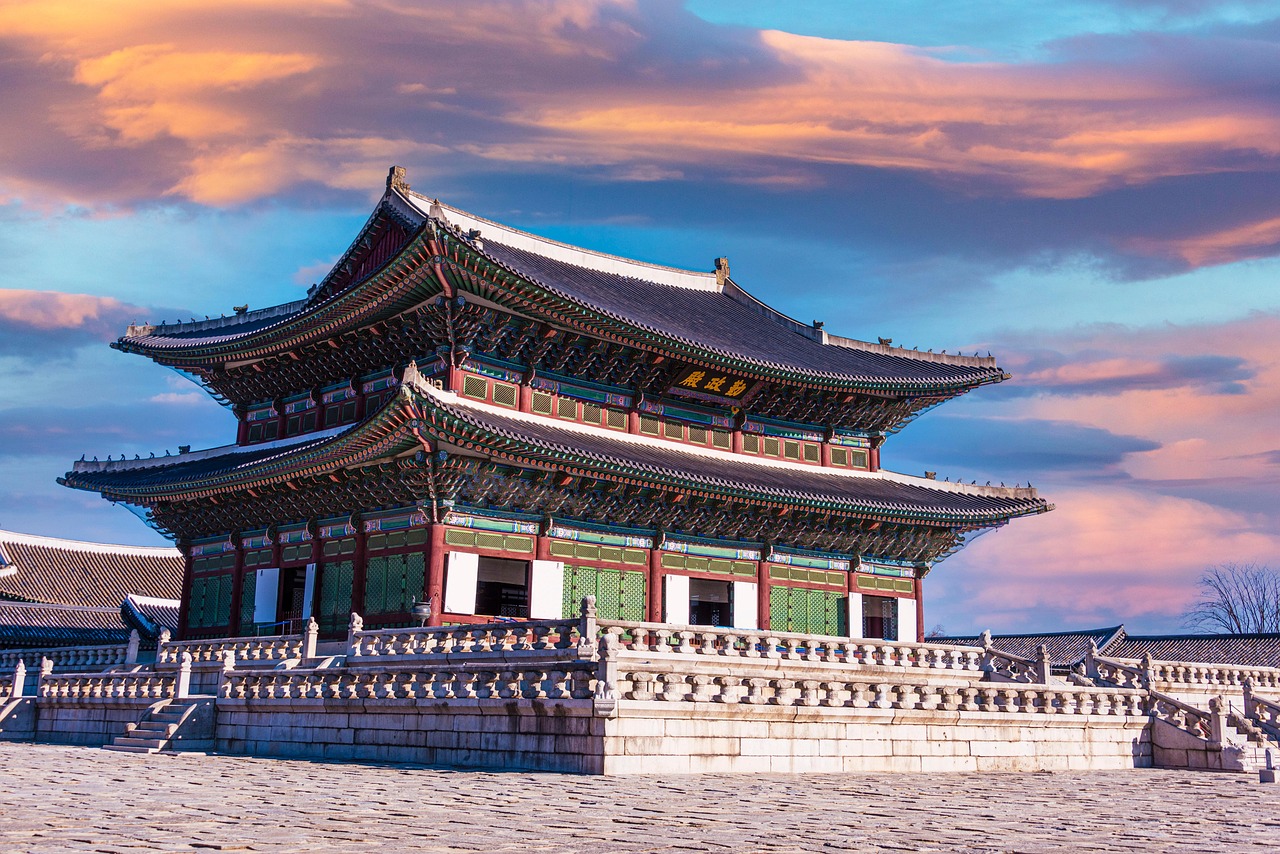
gyeongbokgung, pagoda, landmark, building, architecture, historic, historical, gyeongbokgung palace, palace, traditional, seoul, korea, gyeongbokgung, gyeongbokgung, gyeongbokgung palace, gyeongbokgung palace, gyeongbokgung palace, gyeongbokgung palace, gyeongbokgung palace, seoul

Gyeongbokgung Palace

Seoul, South Korea
i

gyeongbokgung, pagoda, landmark, building, architecture, historic, historical, gyeongbokgung palace, palace, traditional, seoul, korea, gyeongbokgung, gyeongbokgung, gyeongbokgung palace, gyeongbokgung palace, gyeongbokgung palace, gyeongbokgung palace, gyeongbokgung palace, seoul

Photo by bongki66

Ancient walls rise in the heart of bustling Seoul, where Gyeongbokgung Palace stands as a living testament to centuries of Korean royalty and culture. With ornate gates opening onto spacious courtyards and graceful halls, this palatial complex fuses grand history and modern city life. Strolling through its grounds offers a blend of royal pageantry, storytelling, and everyday Seoul beauty.

Visiting Info

Currency
Entrance fee
3000 KRW
Hours
Opening hours
Monday: 9:00 AM – 6:00 PM
Tuesday: Closed
Wednesday: 9:00 AM – 6:00 PM
Thursday: 9:00 AM – 6:00 PM
Friday: 9:00 AM – 6:00 PM
Saturday: 9:00 AM – 6:00 PM
Sunday: 9:00 AM – 6:00 PM

Contact Information

Location
Address
161 Sajik-ro, Jongno District, Seoul, South Korea

Planning Your Visit

Every visit to Gyeongbokgung Palace starts with a little preparation. While admission is simple, weather, timing, and crowds can shape the experience. Early mornings often bring fewer visitors and softer light for photography, especially in spring and autumn. The palace sits at the northern edge of Seoul’s central district, easily reachable by subway or bus, making day trips from anywhere in the city convenient. Expect queues for tickets during peak weekends or festival days, and keep in mind that major restoration projects occasionally close certain areas.

  • Best time to visit: Late March–May and September–November; mornings or on weekdays for thinner crowds
  • How to get there: Take Subway Line 3 to Gyeongbokgung Station (Exit 5) or buses stopping at Gwanghwamun Plaza
  • Accessibility: Main paths are stroller-and wheelchair-friendly, with ramps at key entries; family restrooms available
  • Average visit duration: 2–3 hours for major sights; plan extra time for museums or guided tours
Must See Stuff

Home to Joseon Dynasty kings, Gyeongbokgung Palace dazzles with sprawling courtyards, elegant pavilions, and vibrant traditional art. Crowd favorites—the main throne hall and lotus-filled ponds—share the stage with tucked-away gardens and museum galleries. Changing of the guard ceremonies, held at the Grand Gwanghwamun Gate, mix costumed ritual with lively drumbeats, drawing both locals and travelers.

  • Main sights: Geunjeongjeon Hall (throne room), Gyeonghoeru Pavilion (lake pavilion), Hyangwonjeong Pavilion (island pagoda), and the wide Heungnyemun Gate
  • Unique experiences: Rent a hanbok (traditional costume) for free entry and photos, enjoy the Changing of the Guard Ceremony (several times daily), and explore the National Folk Museum on palace grounds
  • Photo-worthy spots: Gyeonghoeru’s mirrored reflection, red-and-green painted corridors, flowering trees in spring
  • Historical notes: Built in 1395, the palace faced destruction in the Imjin War and Japanese Occupation; restoration began in the 20th century, making some halls replicas of originals

Tips for Your Visit

A few simple strategies turn a good palace tour into a great one. Late afternoons in autumn gift golden sunlight and quieter pathways. While the grounds invite wandering, stone paths and a few uneven stairs make sturdy shoes a must. Rules are relaxed, but respect for historic buildings is expected. Some areas require shoe removal or prohibit food and drink. Lockers near the entrance handle heavy bags, and nearby cafes offer rest after the visit. While English signage is clear, hiring a local guide unlocks stories and details that might get missed otherwise.

  • Best times to avoid crowds: Weekday mornings or during light rain—umbrellas make for dramatic photos
  • What to bring: Water bottles, sun hats in summer, cameras, and comfortable walking shoes
  • Local etiquette: Be respectful in sacred areas; no climbing or touching delicate carvings
  • Safety and comfort: Free drinking water is limited; bring your own, and use lockers for large bags