Beautiful reflection of Hyangwonjeong Pavilion surrounded by autumn colors in Gyeongbokgung Palace.
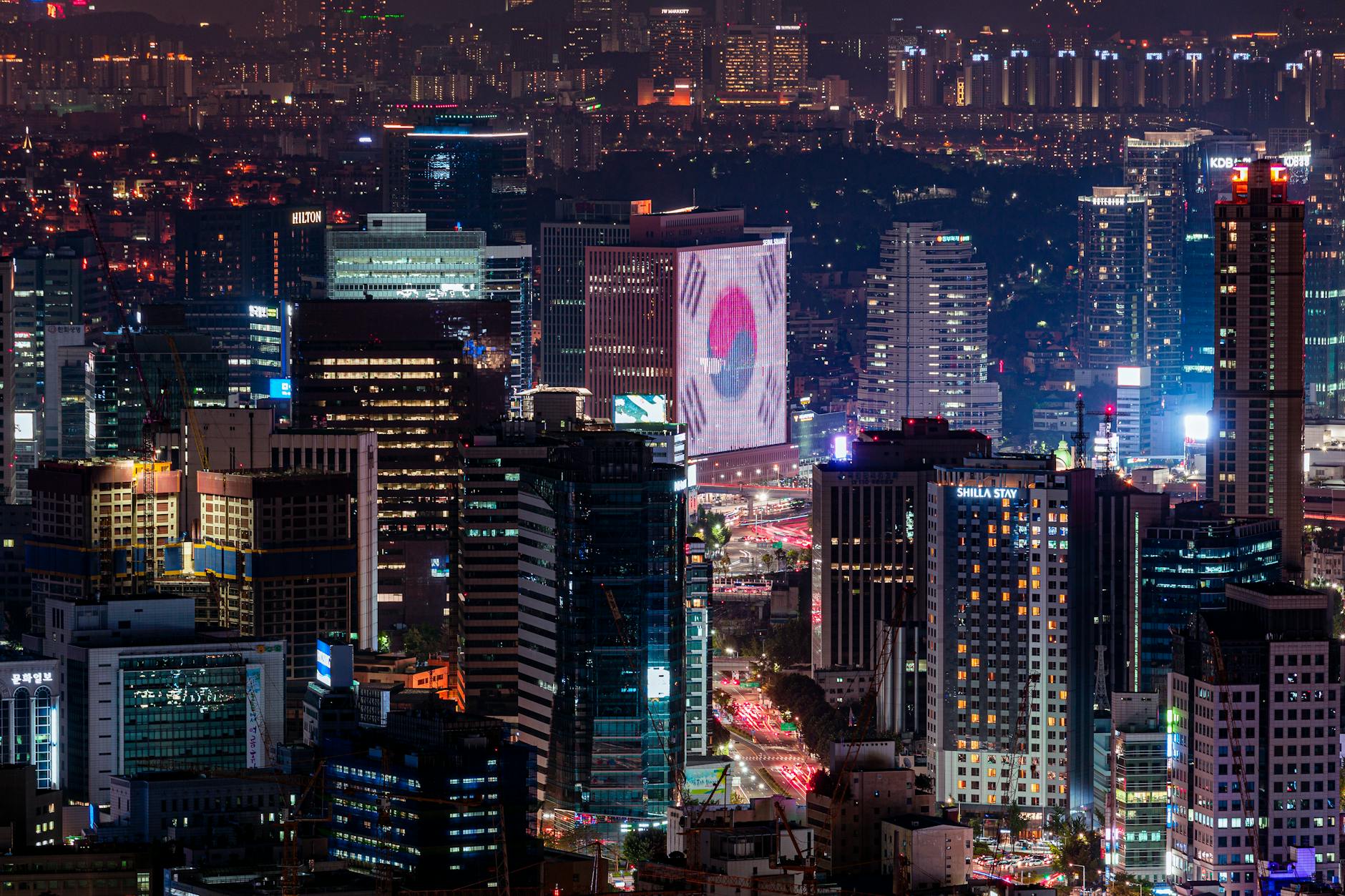
Vibrant night skyline of Seoul featuring illuminated skyscrapers and urban landscape.
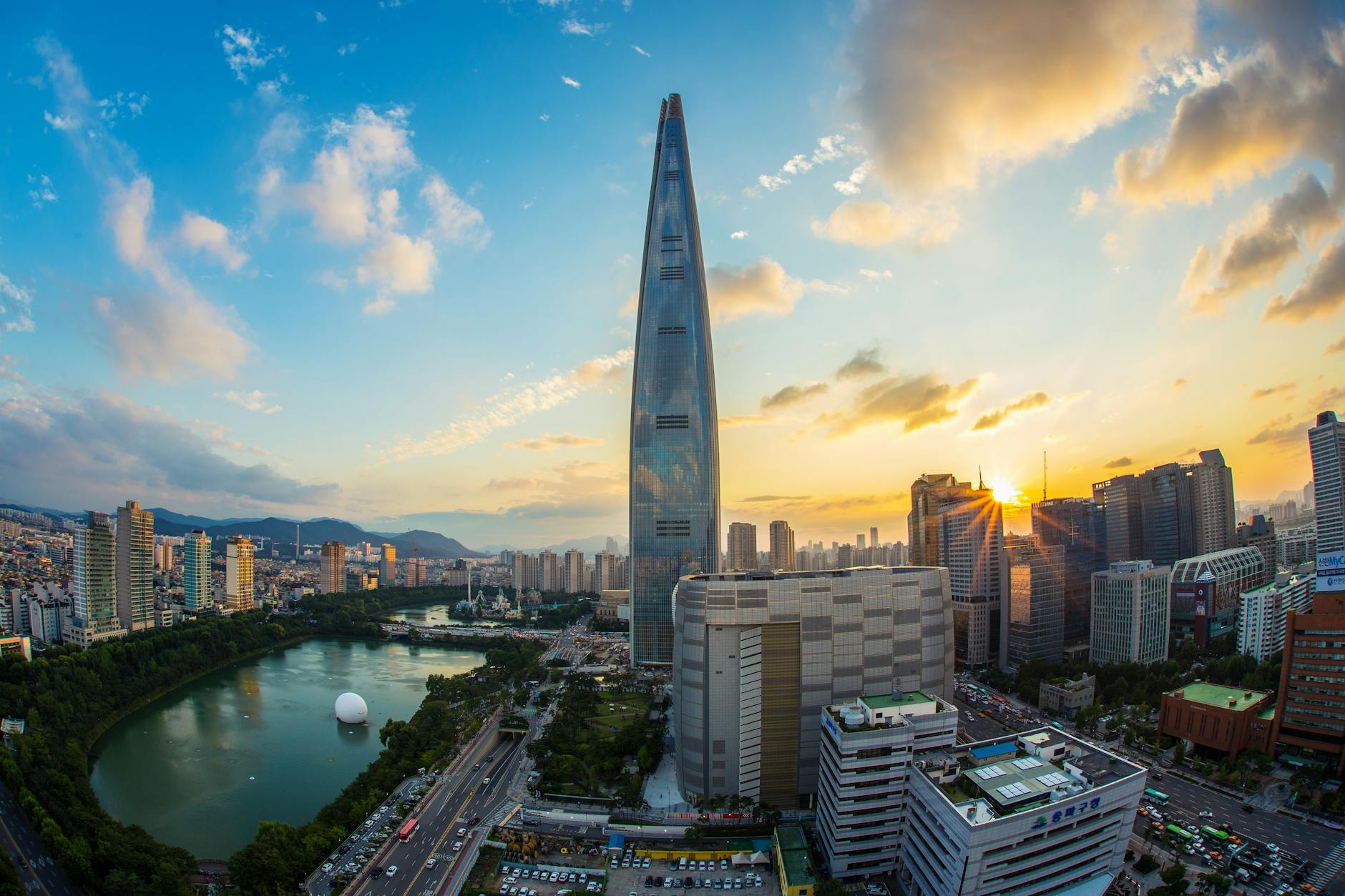
Stunning view of Seoul's skyline featuring Lotte World Tower at sunset.
korea, south korea, travel, asia, seoul, traditional, korea, south korea, south korea, south korea, south korea, south korea
View of buildings against cloudy sky

Seoul

South Korea
Art & ArchitectureModern AttractionsMarketplace & ShoppingCulturalUrban Highlights
i

Beautiful reflection of Hyangwonjeong Pavilion surrounded by autumn colors in Gyeongbokgung Palace.

Photo by 대정 김

Seoul grabs you fast, like stepping into a neon canyon. In Myeongdong, hawkers shout over sizzling tteokbokki while K-pop blares from shopfronts. Cross the river to Gangnam, all glass towers and designer labels, then slip into a tucked-away teahouse in Bukchon, where time slows over honeyed jujube tea. At dawn, joggers circle the Han, skyscrapers mirrored in its wide, calm sweep. Night pulls you to Hongdae’s clubs, bass thumping till your ribs hum. Subway rides reveal whole worlds: market alleys stuffed with dried squid, temple courtyards ringing with bell chimes. Seoul tires the feet but feeds the senses. Expect late-night ramyeon runs, cherry blossoms flickering in palace gardens, and the odd drizzle that softens the city’s electric edge.

Quick Facts

currency
KRW
languages
Korean
airports
Incheon International Airport
size
Mega City
power
Type C, Type F
timezone
Asia/Seoul
safety
Safe
costs
Moderate

General Information

Safety indexSeoul is considered a very safe city for tourists. The overall safety index is high, with low rates of violent crime and petty theft. The city is well-policed, and public transportation is safe even at night. However, visitors should still take normal precautions, especially in crowded places.

Best Time to TravelThe best time to visit Seoul is during spring (April–June) and autumn (September–November). These seasons offer pleasant weather, beautiful cherry blossoms in spring, and vibrant foliage in autumn.

Least crowded and still a good time to visitIf you want to avoid crowds while still enjoying decent weather, consider visiting during late May or early June and late September. These periods provide a balance between fewer tourists and comfortable temperatures.

BudgetA moderate daily budget in Seoul is about $70–$150 per person, including accommodation, meals, local transportation, and attractions. There are options for both budget travelers (hostels, street food) and luxury seekers (hotels, fine dining).

Healthcare and VaccinationsSeoul has excellent healthcare facilities and pharmacies are widely available. No special vaccinations are required for travelers beyond routine immunizations (MMR, DPT, polio, influenza, etc.). Travel health insurance is recommended.

Visa RequirementsVisa requirements depend on your nationality. Many nationalities can enter South Korea visa-free for up to 90 days. Others must apply for a visa or a K-ETA (Korea Electronic Travel Authorization) before arrival. Always check current requirements based on your country of origin.

Weather in Seoul

°C°F
3595
2474
1254
133
-1112
Jan
Feb
Mar
Apr
May
Jun
Jul
Aug
Sep
Oct
Nov
Dec
3020100
Avg. min. temperature
Avg. max. temperature
Avg. precipitation days

First-time travelers

Seoul greets first-time visitors with a kinetic energy—neon lights, humming markets, swift subway trains. It’s dazzling and dizzying, a city caught between thousand-year-old traditions and space-age ambition. Stepping off the train in Myeong-dong, the air smells of frying batter, sweet rice, and city asphalt. New sights demand attention. Old palaces peek between glass towers. Every corner offers a surprise.

Finding Your Footing

Start with the basics: respect, curiosity, and a working subway card. Locals hurry, but don’t be afraid to pause. Cheonggyecheon stream cuts through skyscrapers—a tranquil path for shy explorers. Line up at a corner food stall and order tteokbokki. The spicy-sweet rice cake sauce leaves lips tingling. People-watching from here, Seoul feels simultaneously vast and inviting.

Visit Bukchon Hanok Village early—before the day’s tour buses arrive. Wander narrow lanes flanked by weathered wood hanoks. Residents tend tiny gardens, gossip spilling over stone fences. The distant drone of Gwangjang Market lures the hungry south. Order pajeon (savory pancake) crisp around the edges, steam curling off. The market’s chaos can overwhelm, but lean in. Notice how vendors remember regulars and noisily barter. It’s gritty, alive, genuine.

Savoring Sensory Firsts

The city stretches far, yet moments of gentleness appear. Jogyesa Temple flickers with prayer lanterns—walk softly under old gingko trees. Han River breezes cool crowded afternoons. There’s peace to be found against the hurry. As the sun sets in Hongdae, music spills from basements, fashion pulses in the parks, and Seoul’s young spirit comes alive.

  • Bring cash for markets—some stalls are cash-only.
  • Order mandoo (dumplings) at Namdaemun for a quick, warm snack.
  • Download Naver Map; Google Maps struggles here.
  • Respect subway etiquette: quiet, even at rush hour.

Seoul’s contrasts can feel overwhelming. But with each bite, each friendly exchange, the city opens just a bit more—inviting newcomers to join its rhythm.
Return travelers

Returning to Seoul feels like flipping through fond memories with new pages waiting ahead. The raw bewilderment from that first visit is gone. Today, deeper flavors emerge—places missed, stories still unfolding, subtleties only return travelers catch. The city rewards a second look.

Beyond the Surface

Skip the palace crowds and instead wake early for a riverside stroll at Ttukseom Hangang Park. Elderly Seoulites gather here, stretching in silence or playing janggi beneath sun shelters. Pause for an iced can of coffee and let the river’s slow churn erase city noise.

Double back to Dongdaemun, not for shopping, but for the buzzing streetlife at dawn. Vendors prepping tteok in the cool air, lines of taxi drivers hunching over broth at pojangmacha. Glimpses of daily routines—mundane and magical at once. Take a sunrise hike up Inwangsan. Misty views of tile rooftops and city gridlines, the air scented with pine and incense from hidden shrines. These spaces belong to Seoul’s regulars, now softly familiar to you, too.

Taste and Tradition—Altered

Venture to the Ahyeon-dong neighborhoods for a late bowl of yukgaejang, the spicy beef soup beloved by locals. Here, you’re greeted as a returning friend, not a stranger. Engage with Seoul’s craft scene: at Mullae Arts Village, welders and painters work next to small cafes, their output raw and contemporary. Each visit uncovers a new mural, a quirky shop, a face remembered.

  • Join a makgeolli tasting at a Seochon pub—lemony or earthy varieties from local brewers.
  • Hunt for antique albums or ceramics in Hwanghak-dong Flea Market.
  • Visit an indie bookshop—Your Mind or Thanks Books—for local recommendations.

Seoul becomes richer on each return. Its true character—layered, proud, inventive—reveals itself slowly to those willing to look again.

Must-see locations

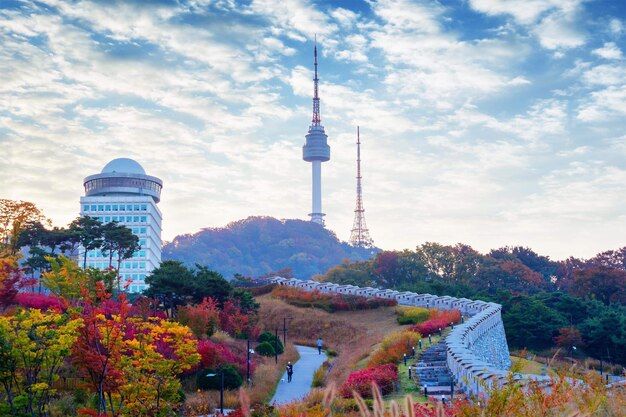
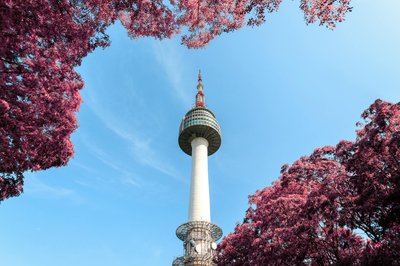
A stunning view of N Seoul Tower surrounded by pink foliage under a clear blue sky in Seoul, South Korea.
i

A stunning view of N Seoul Tower surrounded by pink foliage under a clear blue sky in Seoul, South Korea.

Photo by Aleksandar Pasaric

N Seoul Tower

Rising above Mount Namsan, N Seoul Tower blends Seoul’s modern skyline with sweeping city views, twinkling lights, and love locks. Cultural festivals on the terrace meet picnic spots in Namsan Park for a vibrant local experience.

Learn More
Everland

Everland

Everland, Seoul’s top amusement park, blends wild safari rides and thrilling roller coasters with themed zones like Global Fair and European Adventure. Seasonal festivals bring dazzling parades, flowers, and K-pop performances.

Learn More
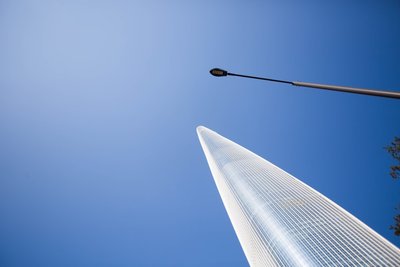
a tall building with a street light in front of it
i

a tall building with a street light in front of it

Photo by Junseong Lee

Lotte World Tower

Soaring above Seoul’s skyline, Lotte World Tower blends luxury shopping, sky-high views from the Seoul Sky Observatory, and tempting global dining. Glass floors, art galleries, a cinema, and Han River panoramas—every floor thrills.

Learn More
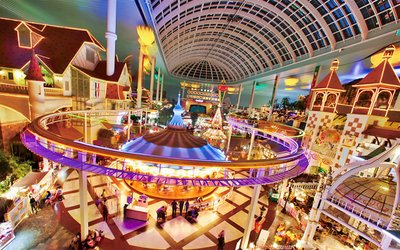
Lotte World

Lotte World

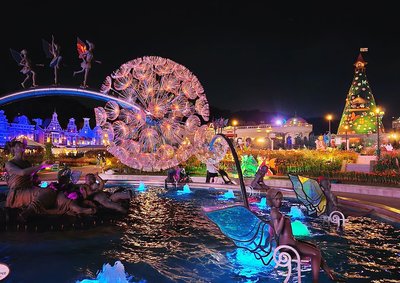
Lotte World, Seoul’s vibrant theme park, thrills visitors with both an indoor fantasy land and a lakeside outdoor park. Ice skate under glass domes, ride roller coasters, and watch parades with lively K-pop music and Korean legends.

Learn More
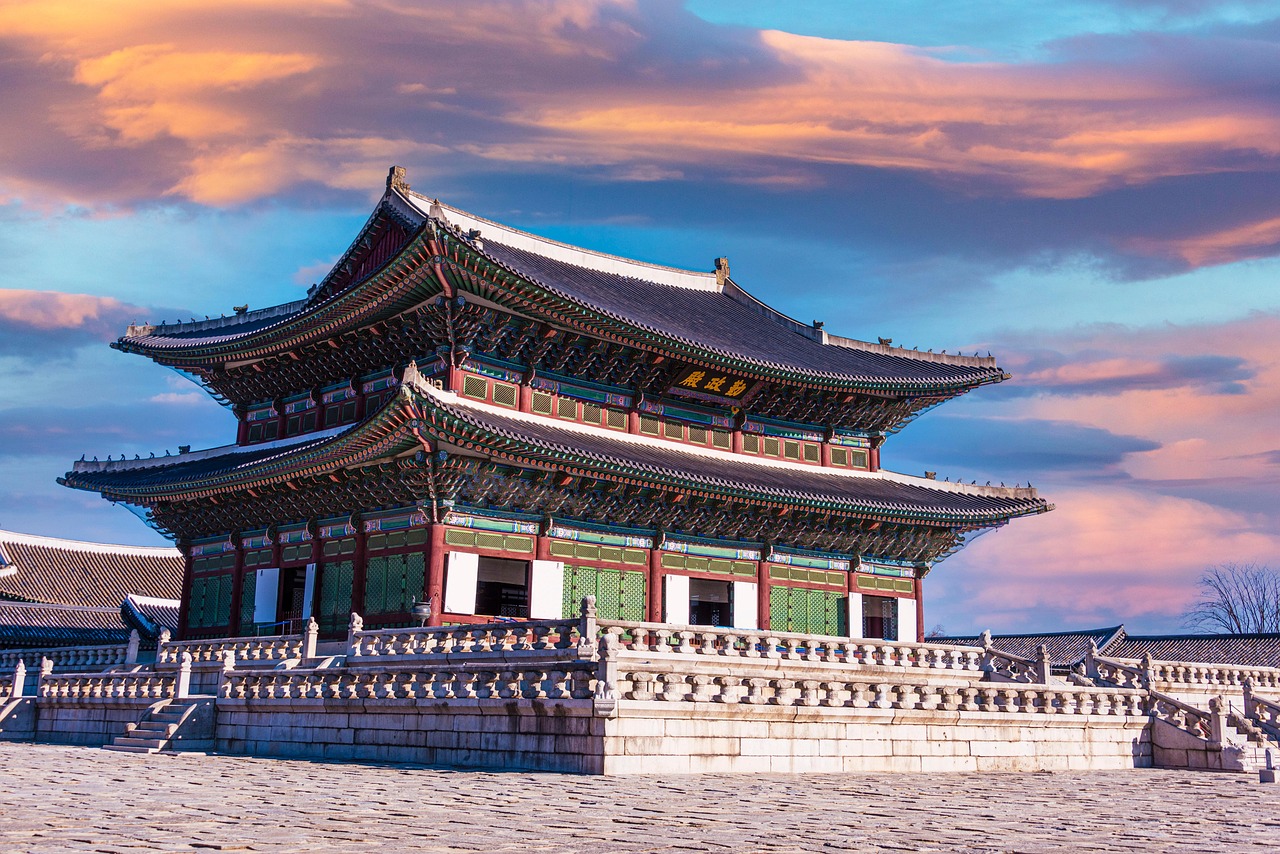
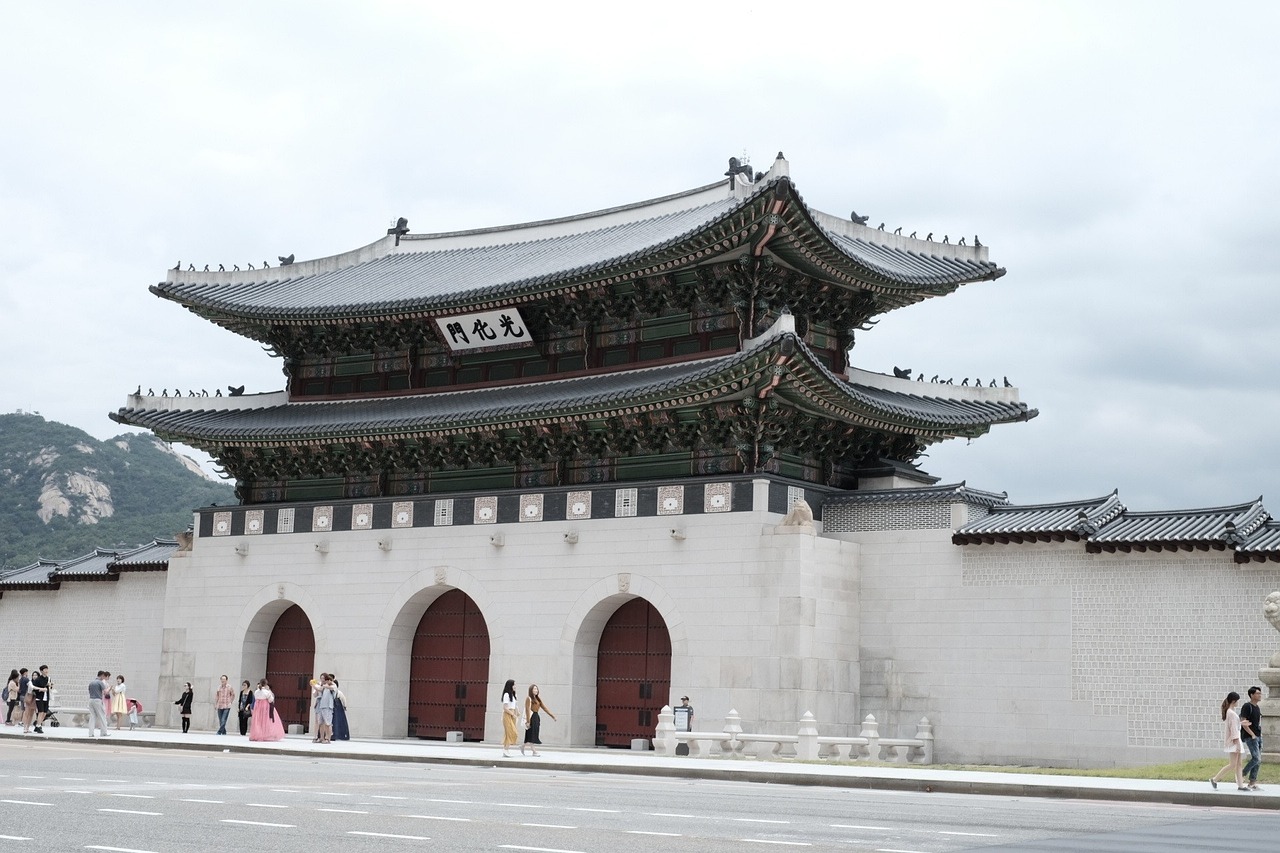
gyeongbokgung, pagoda, landmark, building, architecture, historic, historical, gyeongbokgung palace, palace, traditional, seoul, korea, gyeongbokgung, gyeongbokgung, gyeongbokgung palace, gyeongbokgung palace, gyeongbokgung palace, gyeongbokgung palace, gyeongbokgung palace, seoul
i

gyeongbokgung, pagoda, landmark, building, architecture, historic, historical, gyeongbokgung palace, palace, traditional, seoul, korea, gyeongbokgung, gyeongbokgung, gyeongbokgung palace, gyeongbokgung palace, gyeongbokgung palace, gyeongbokgung palace, gyeongbokgung palace, seoul

Photo by bongki66

Gyeongbokgung Palace

Gyeongbokgung Palace, Seoul’s grandest royal estate, draws visitors with colorful changing-of-the-guard ceremonies, tranquil lotus ponds, and royal halls framed by Bukhansan’s peaks. Explore traditional hanbok rentals, art museums, and open courtyards.

Learn More

How to get there

By air

Seoul is served by two major airports: Incheon International Airport (ICN) and Gimpo International Airport (GMP), with Incheon handling most international flights. Both airports offer easy and efficient connections to the city center by rail, bus, and taxi.
Options to get to town:
Taxi
Price:
KRW 55,000–100,000 (ICN to city center, depending on time and destination)
Duration:
50–70 minutes
Where to buy:
Taxi stand at airport arrival area
Airport bus
Price:
KRW 17,000 (standard limousine bus)
Duration:
60–90 minutes
Where to buy:
Tickets counters in arrival hall or pay on bus
Train/shuttle
Price:
KRW 4,150 (AREX all-stop); KRW 9,500 (AREX Express)
Duration:
60 minutes (all-stop train), 43 minutes (Express)
Where to buy:
AREX ticket counter or machines at the airport station

By train

Seoul is well-connected to other major South Korean cities via the Korea Train Express (KTX) high-speed railway and conventional rail. Trains arrive to Seoul Station, centrally located and well connected to the city metro.

By car

Seoul can be reached by car via an extensive network of expressways from other cities in South Korea. The road system is modern and well maintained, and major rental agencies are available. Expect heavy traffic during peak periods on routes into Seoul.
Additional charges to be aware of:
Toll / vignette / emission sticker
Cost:
Toll fees vary by distance (e.g., Busan to Seoul: approx. KRW 25,000)
How to pay:
Pay at toll booths on expressways (cash or card, some with Hi-Pass electronic system)
Other driving costs
Cost:
Parking fees in central Seoul can be KRW 2,000–5,000 per hour
How to pay:
Pay at parking facility, usually via automated machine or attendant

How to get around

Public transport

Seoul boasts an extensive, clean and efficient public transport system. The Seoul Metropolitan Subway is often the fastest way to get across the city, supported by a broad bus network. Stations and stops are well signed in English, and routes cover most tourist spots and neighborhoods.

Ticket options:
Ticket TypePriceWhere to buy
Single ticketKRW 1,250–1,350 (varies by distance)Ticket machines and counters at subway stations
Day passKRW 4,600Subway stations at ticket machines and counters

Taxis & ridesharing

Taxis are plentiful, safe, and relatively affordable, with metered fares. Most drivers speak limited English but translation apps are common. Ridesharing is available via local apps.

Service providers:
ProviderPriceHow to book
Local taxiBase fare approx. KRW 4,800; metered by distance/timeOn the street, hotel front desk, or through local taxi apps (e.g., Kakao T)
Ridesharing appVaries by time and distanceKakao T app

Car rental

Car rentals are available, but driving in Seoul can be challenging due to traffic and limited parking. Rentals are best suited to trips outside the city or for specific excursions.

Rental options:
ServicePriceHow to book
Daily rentalFrom KRW 60,000 per day (compact)Major international and local car rental offices at airports or city locations
Weekly rentalFrom KRW 350,000 per weekCar rental offices or their official apps

Bike & scooter rental

Bikes and e-scooters are a convenient way to explore Seoul's parks and riverside paths. The city operates a public bike-share system and private e-scooter options are widely available via mobile apps.

Rental options:
ServicePriceHow to book
Bike rentalKRW 1,000/hour or KRW 5,000/daySeoul Bike "Ddareungi" kiosks or mobile app
Scooter rentalKRW 1,000–1,200 per 10 minutesE-scooter apps such as Kickgoing or Gcooter

What to eat

Neon reflections splash across crowded sidewalks as pots sizzle behind open windows in Seoul. Every step brings a new aroma—garlic, gochujang, toasted sesame. Hungry crowds squeeze through winding market lanes while hammered copper kettles steam their promise of warmth. Seoul is a city that eats late, loud, and with endless curiosity.

Eating here means weaving through ancient recipes and pop-up inspirations. In this city, food comes dense with story. For better or for worse, every meal is a journey.

Signature Dishes

  • Bibimbap: Rice stacked with bright vegetables, spicy gochujang, and a runny fried egg, stirred for harmony in every bite.
  • Samgyeopsal: Thick pork belly strips grilled tabletop, wrapped in crisp lettuce with raw garlic, ssamjang, and a whisper of perilla leaf.
  • Kimchi Jjigae: Spicy kimchi stew simmered with pork and tofu, bubbling red and hearty—Seoul’s rainy day medicine.
  • Jjajangmyeon: Black-bean noodles slurped in backstreet diners, sweet, savory, and loaded with pork and onion.

Street Food & Markets

Gwangjang Market wakes your appetite with the sharp scent of mung bean pancakes (bindaetteok) and thick blood sausage (soondae). Myungrang hot dogs, fried sticky rice battered and showered with sugar, beckon like carnival fare. Vendors holler over stacks of tteokbokki—rice cakes steeped in pepper sauce, sweet and fiery.

Many stalls stick to classics, but a few test boundaries with truffle mayo or squid ink. Expect crowds, sometimes sticky tables. Cash is king. Bring patience, walk hungry, and let your curiosity guide you.

Sweet Treats & Drinks

Patbingsu sparkles in café windows—mounds of shaved ice decorated with red beans, fruit, and chewy mochi. Try hotteok (syrup-stuffed pancakes) sold streetside in winter, or honeycomb ice cream for a modern twist. Sip makgeolli (milky rice wine) with jeon pancakes on a rainy day, or dive into smoky, nutty sikhye (sweet rice punch) to cool off after shopping.

Why Travelers Eat Here

  • Big Flavors, Fast: Dishes come bold and quick, perfect for fueling sightseeing.
  • Night Market Buzz: Many markets come alive after dark, packed with locals and visitors alike.
  • Eater-Friendly Prices: Street food and classic eateries make eating well affordable, though top spots can be spendy.
  • Inventive Twists: Seoul’s young chefs flip tradition—expect the unexpected alongside the must-eats.

As day slides into indigo night, the city’s warmth lingers through each bite. Seoul’s food feeds the curious heart and the hungry soul. And just when you think you’ve tasted it all, there’s another alley, another aroma, another reason to stay.

Top Rated Restaurants

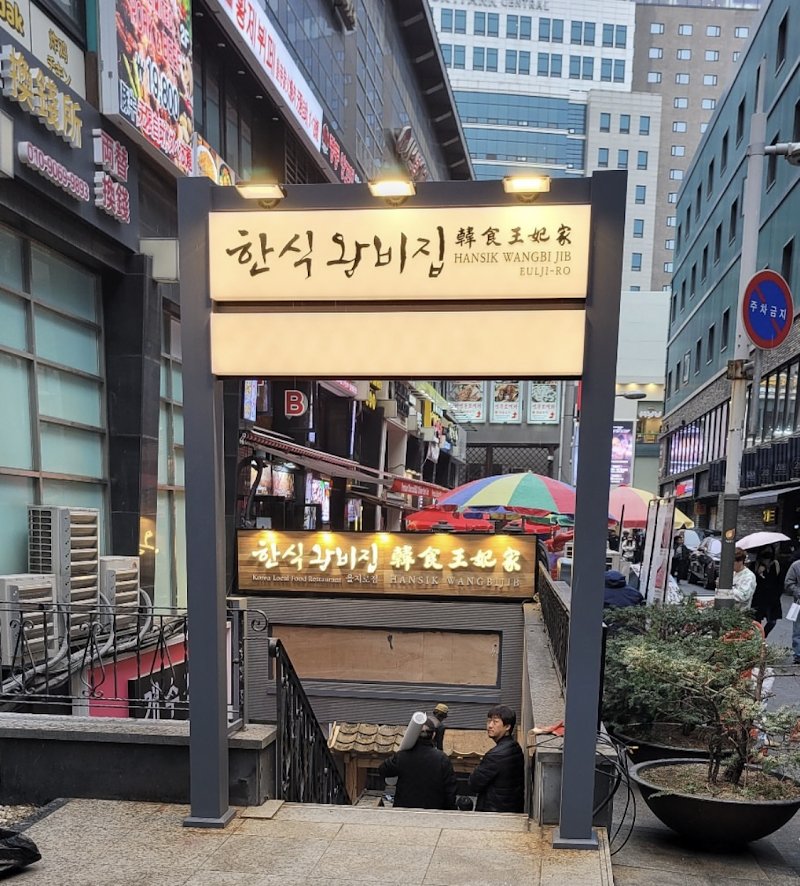
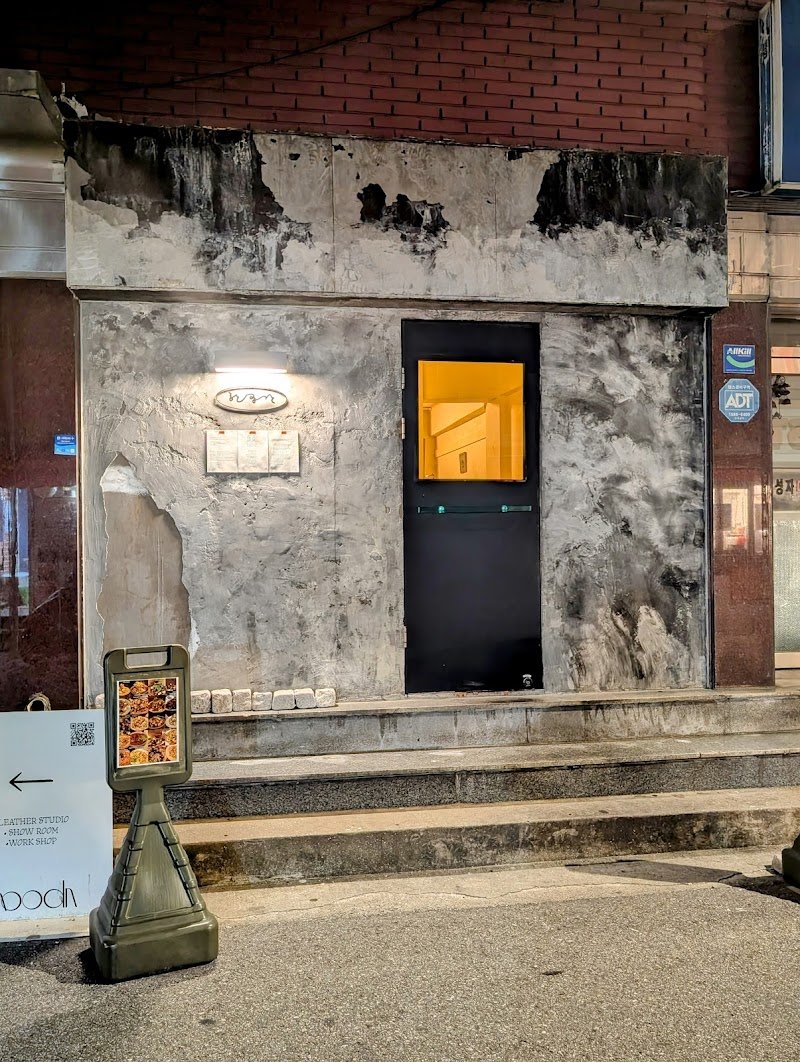
Hansikwangbijib (Euljiro Branch)

Hansikwangbijib (Euljiro Branch)

5.0 (2.2k reviews)
LocationSouth Korea, Seoul, 지하1층 B101 KR 서울특별시 중구 명동7길 21
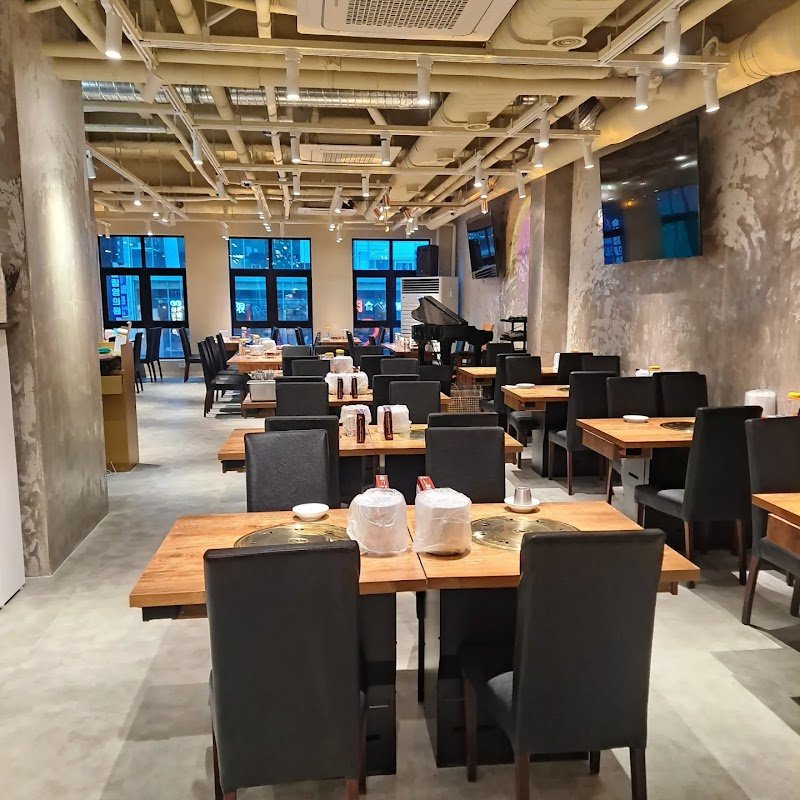
Hangong-Gan

Hangong-Gan

5.0 (978 reviews)
LocationSouth Korea, Seoul, Mapo-gu, 연남동 561-4
Odarijip Ganjang Gejang Savoy Hotel Branch

Odarijip Ganjang Gejang Savoy Hotel Branch

4.9 (2.9k reviews)
LocationSouth Korea, 2F 4F B building Myeongdong 8na-gil, 10 Savoy hotel KR 서울특별시 중구
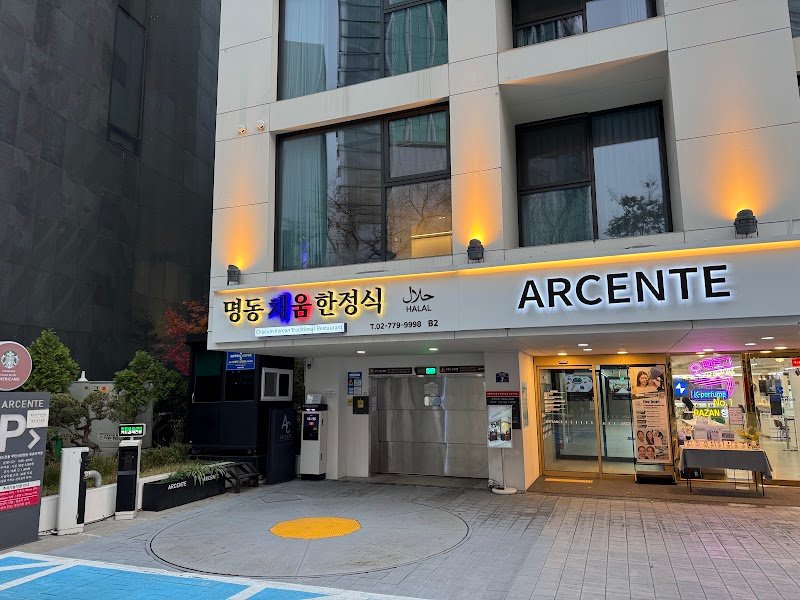
CHAEUM KOREAN TRADITIONAL RESTAURANT

CHAEUM KOREAN TRADITIONAL RESTAURANT

4.9 (739 reviews)
LocationSouth Korea, Seoul, Jung District, Toegye-ro 18-gil, 7 지하 2층
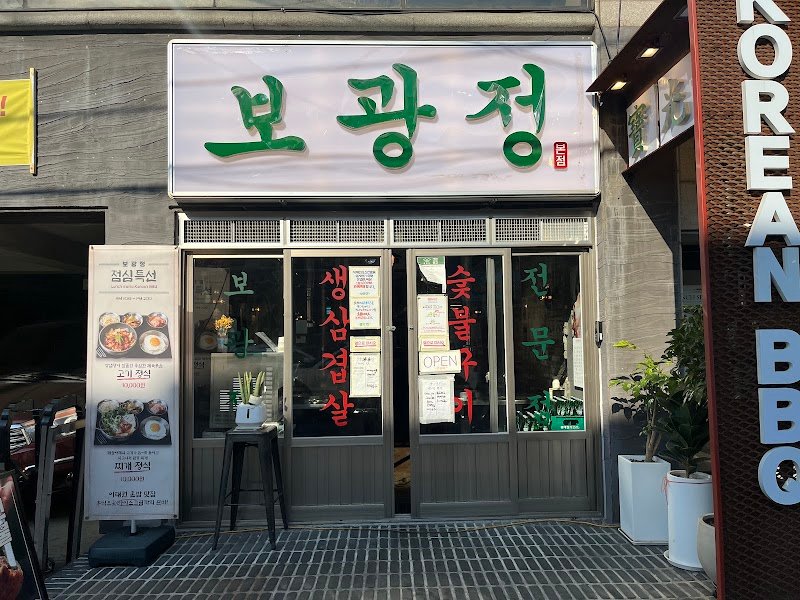
bogwangjung

bogwangjung

4.9 (2.3k reviews)
Location1 floor, 118 Bogwang-ro, Yongsan District, Seoul, South Korea

Accommodations

Few cities can feel as sprawling—or as alive—as Seoul at night. The bright lights of Myeongdong tempt shoppers. The back alleys of Hongdae pulse with music. Choosing where to sleep isn’t only practical. It shapes the whole trip. In Seoul, the right neighborhood is half the adventure.

Neighborhood Overview

  • Myeongdong: Bustling, neon-lit, and always busy. Shoppers and first-timers flock here for easy metro access and late-night bites. Hotels are convenient, though prices can reflect the central location. Best for urban explorers and food lovers.
  • Hongdae: Youthful, quirky, and creative. Independent cafes, live music, and street art set the vibe. Travelers who crave nightlife or local culture feel at home in the area—a haven for backpackers and students.
  • Insadong: Traditional, slower-paced, and artsy. Temples, tea houses, and galleries line quiet streets. Couples and families drawn to Korean history and crafts appreciate the calm. Here, boutique hanok stays reward those seeking character.
  • Gangnam: Sleek, stylish, and chic. Skyscrapers and upscale malls show Seoul’s modern side. Families or business travelers find chain hotels, convenience, and Western comforts. Nights are lively, but not rowdy.
  • Itaewon: Diverse and international. Here, global eateries mix with lively bars. Solo travelers and expats gather for nightlife or fusion food. Accommodations range widely, though some side streets get noisy on weekends.

Types of Accommodation

  • Hotels & Business Chains: Names like Lotte, Shilla, and Ibis offer familiar touches. Expect rates from $80–$250 per night depending on room size and season.
  • Guesthouses & Hostels: Often found in Hongdae and Insadong, these suit budget travelers. Dorm beds from $15. Private rooms start near $40. Clean but simple.
  • Hanok Stays: Restored traditional houses, mostly in Bukchon and Insadong. Immersive but sometimes rustic settings. Rates from $90 to $200 per night, usually including light breakfast.

Insider Tips for Booking

Book rooms two months ahead for visits during cherry blossom or autumn foliage. Rates double in peak travel weeks. Most listings add a 10% local tax at checkout. Always check for heated floors (ondol) in winter stays. Street noise affects some areas—request a higher floor if you’re a light sleeper.

When dusk falls, temple rooftops glow above tangled lanes. The right bed—cozy guesthouse, shiny high-rise, or humble hanok—draws you deeper into Seoul’s story. With the right base, you wake up feeling woven into the city. Ready to chase new discoveries as the city comes alive again.