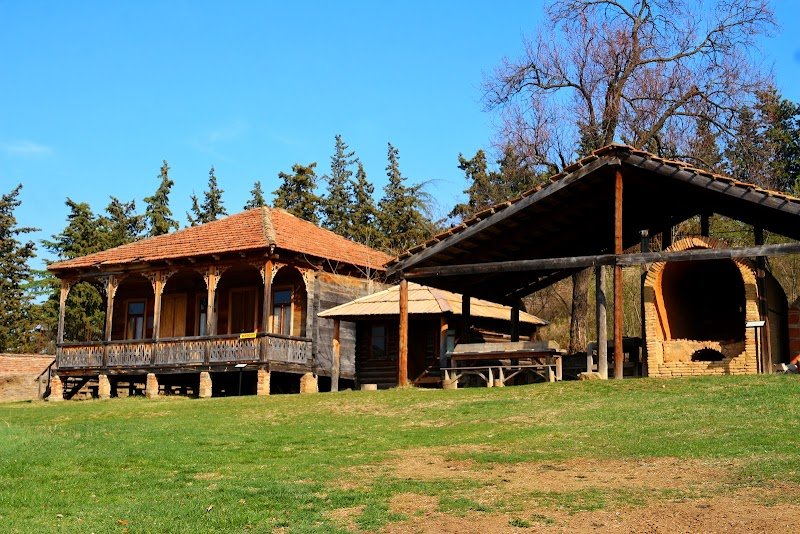
Google Places photo

Giorgi Chitaia Open Air Museum of Ethnography

Tbilisi, Georgia

Across the hills on the outskirts of Tbilisi, Georgia, an open-air museum quietly brings the country’s diverse rural heritage to life. The Giorgi Chitaia Open Air Museum of Ethnography is more than a collection of buildings—it's a living patchwork of wooden homes, farmsteads, towers, and chapels that have been carefully moved from every corner of Georgia. Here, visitors can wander among the winding trails, shaded verandas, and native gardens while glimpsing a way of life that still shapes Georgian culture today.

Visiting Info

Currency
Entrance fee
20 GEL
Hours
Opening hours
Monday: Closed
Tuesday: 10:00 AM – 6:00 PM
Wednesday: 10:00 AM – 6:00 PM
Thursday: 10:00 AM – 6:00 PM
Friday: 10:00 AM – 6:00 PM
Saturday: 10:00 AM – 6:00 PM
Sunday: 10:00 AM – 6:00 PM

Contact Information

Location
Address
კუს ტბის ქუჩა, T'bilisi, Georgia

Planning your visit

Preparing for a trip to the Giorgi Chitaia Open Air Museum pays off, as the site sprawls over a wide, hilly landscape and changes character with the seasons. Mornings offer cool air and golden light, while afternoons fill with families and school groups, especially in warm months. Although located just above the busy Vake district, reaching the museum from central Tbilisi takes some effort, and the terrain suits slow wanderers better than those in a rush.

  • Best time to visit: Late spring and early autumn provide comfortable weather and blooming wildflowers; weekday mornings are quieter.
  • How to get there: Take a taxi or bus from Tbilisi’s city center, heading toward Turtle Lake; walking from the lake (about 15 minutes uphill) is possible, but a taxi can drop you at the entrance.
  • Accessibility: Paths are uneven and hilly; strollers and wheelchairs may struggle. Seniors or families with small children should pace themselves.
  • Average visit duration: Plan for 2–3 hours to see highlights, longer if you want to linger or picnic.

Must see stuff

The museum’s grounds stretch across 52 hectares, hosting real houses, towers, churches, and barns reassembled from Georgia’s distinct regions. Walking these trails feels like stepping through a portal into Georgia’s mountains, valleys, and vineyards—without leaving Tbilisi. Some houses are centuries old, each telling stories of highland herders, vineyard keepers, or skilled craftspeople. Occasional craft demonstrations and seasonal festivals add flair, especially in summer and autumn.

  • Svanetian watchtower: A stone fortress from the high Caucasus, famous for its unique shape and ancient defensive role.
  • Kartlian and Kakhetian farmsteads: Traditional wooden homes with carved balconies and barns stacked with old tools and looms.
  • Megrelian corn-drying house: A stilted granary with an unusual design, perfect for history buffs and photographers alike.
  • Restored chapels and tiny shrines: Some are hidden off the main paths, offering quiet moments and beautiful woodcarving details.
  • Views from the hilltop: Broad panoramas over Tbilisi, especially lovely at sunset.
  • Craft shops and pop-up markets: Local artisans sometimes sell textiles, ceramics, and honey near the museum’s entrance on weekends.
  • Fun historical fact: The museum is named for Giorgi Chitaia, the Georgian ethnographer who dedicated his life to documenting and preserving these rural ways of life.

Tips for your visit

Exploring the Giorgi Chitaia Open Air Museum rewards those who come prepared. With steep slopes, changing weather, and dispersed exhibits, comfort and curiosity go a long way. The museum rarely feels overcrowded except during major holiday festivals, when local families and school trips can make the grounds lively but noisy. Signs are mostly in Georgian and some English, so guidebooks or smartphone apps help add context.

  • Best times to avoid crowds: Arrive right when the museum opens, or visit on weekdays outside of school vacation periods.
  • What to bring: Wear sturdy walking shoes; bring water, sun protection, and a camera. A light picnic is welcome in grassy areas.
  • Local etiquette: Step gently around exhibits and gardens. Don’t climb on buildings; many are fragile.
  • Safety and comfort: Shade can be limited; in summer, take breaks under trees or near the entrance. Restrooms are basic but clean. Watch for uneven paths and low door frames in some houses.

Similar Attractions