Museo di Storia Naturale

Museo di Storia Naturale

Verona, Italy
i

Museo di Storia Naturale

Photo by Museo di Storia Naturale

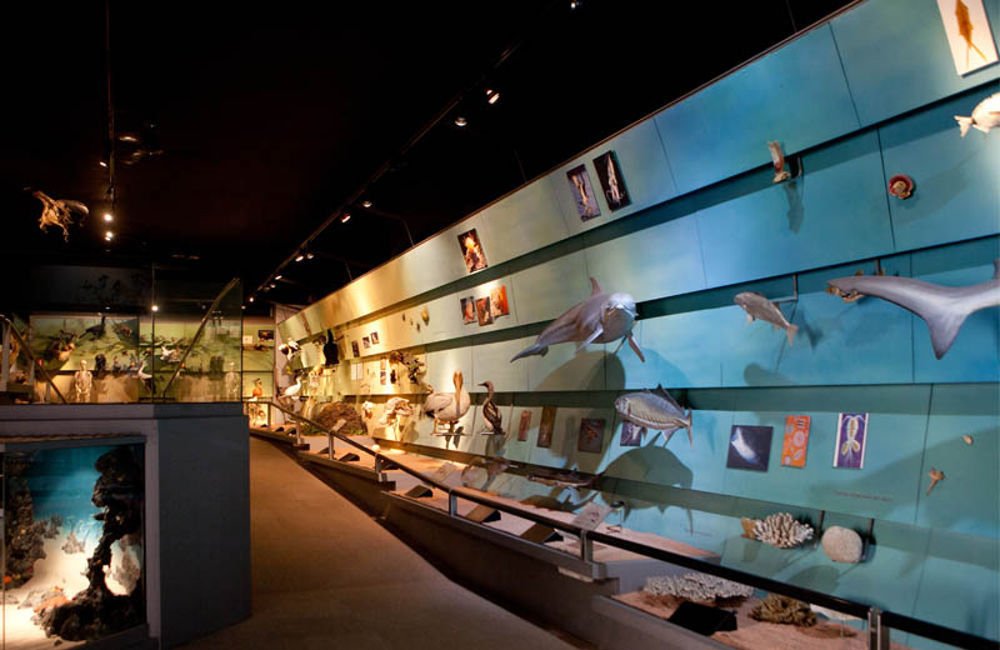
Few museums turn the natural world into a living story quite like Museo di Storia Naturale in Verona, Italy. Within the weathered walls of a 16th-century palace, ancient fossils and rare specimens spark curiosity in visitors of all ages. Each gallery unfolds with surprises—from towering dinosaur bones to glittering minerals—offering a vibrant escape from city streets into deep time and distant lands. For families, school groups, and solo wanderers alike, this museum’s blend of science and history provides a refreshing perspective on the wonders around and beneath Verona.

Visiting Info

Currency
Entrance fee
6 EUR
Hours
Opening hours
Monday: Closed
Tuesday: 10:00 AM – 6:00 PM
Wednesday: 10:00 AM – 6:00 PM
Thursday: 10:00 AM – 6:00 PM
Friday: 10:00 AM – 6:00 PM
Saturday: 10:00 AM – 6:00 PM
Sunday: 10:00 AM – 6:00 PM

Contact Information

Location
Address
Lungadige Porta Vittoria, 9, 37129 Verona VR, Italy

Planning Your Visit

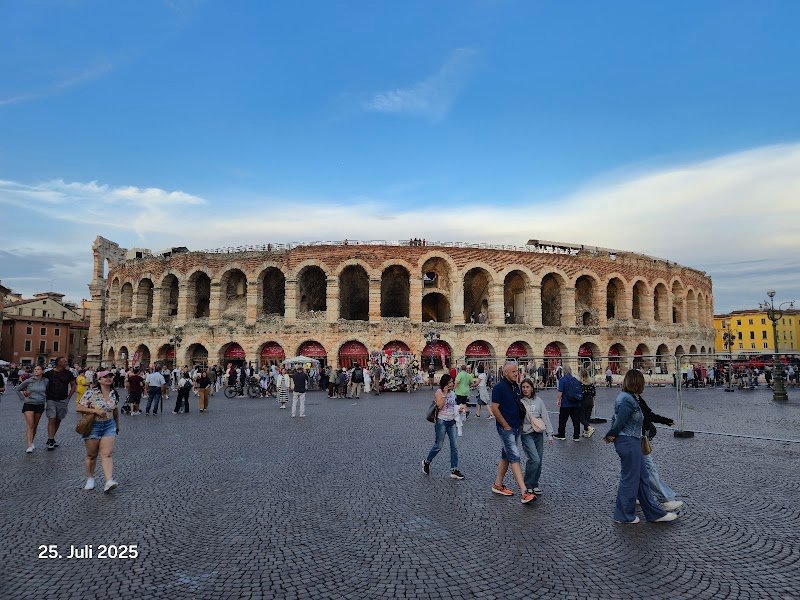
Clever planning ensures a smooth visit to Museo di Storia Naturale. Nestled inside Palazzo Pompei on the banks of the Adige River, this museum stays busiest on weekends, rainy days, and school holidays. Try arriving early on a weekday morning to savor quiet galleries or in late afternoon, when light pours through stone windows and crowds thin. Public buses stop close by, and a walk from Verona’s Arena or market squares blends scenic urban strolls with natural science adventure. For those with mobility needs, elevators and ramps unlock most galleries, though a few smaller spaces remain challenging. While tickets are rarely sold out, lines can slow down mid-summer, so booking online helps.

  • Best time to visit: Weekday mornings or late afternoons in spring and autumn offer the calmest experience.
  • How to get there: City buses 11, 12, and 13 stop nearby; walking from Piazza Bra takes about 20 minutes.
  • Accessibility: Most areas are stroller- and wheelchair-friendly; check staff for access to upper floors.
  • Average visit duration: Plan on 1.5 to 2 hours for main galleries, longer for families or curious visitors.
Must See Stuff

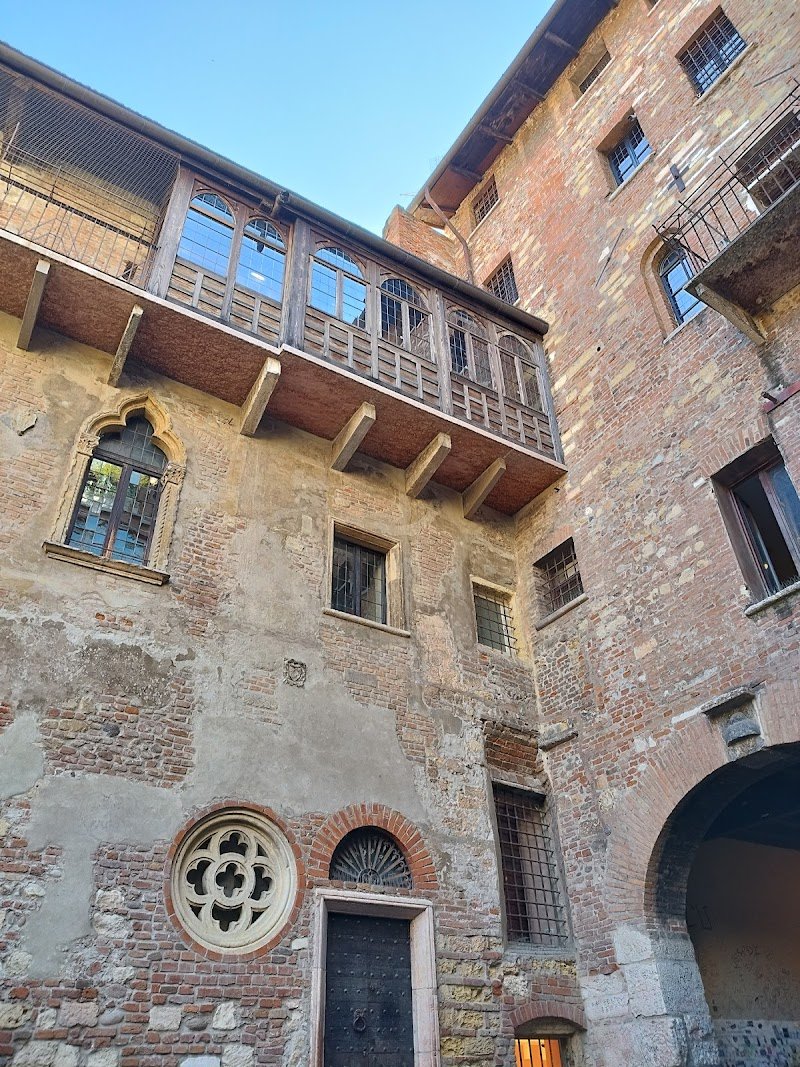
Museo di Storia Naturale offers something for every interest, from geology to ancient wildlife. Children rush in to see complete dinosaur skeletons—like the massive Ouranosaurus—while adults linger over glittering rock crystals and cabinets filled with fossil fish from Verona’s limestone hills. Displays feel close together, making the experience immersive but occasionally crowded. Interactive screens and hands-on items bring science into focus for young learners. Look out for special exhibitions in the side galleries: local artist interpretations of natural themes, or temporary showcases of insects, shells, and rare stones. In the courtyards, stone carvings and centuries-old architecture share quiet space with native plants and songbirds.

  • Key sights: Dinosaur skeletons, fossil fish from Bolca, butterfly and mineral rooms.
  • Unique experiences: Temporary exhibitions, touch tables for kids, weekend guided tours in Italian.
  • Photo-worthy locations: Ornate staircases, sunlight in the mineral gallery, dinosaur hall columns.
  • Cultural facts: Housed in a Renaissance palace designed by Michele Sanmicheli, the museum’s collections date to 18th-century science pioneers and local scholars.

Tips for Your Visit

Preparation makes a visit less rushed and more rewarding. Afternoons outside school visit hours remain the most peaceful. Bring a small water bottle, as the palace can feel stuffy in summer, and comfortable shoes for uneven floors. Photos are allowed (without flash), and some corners delight with their old-world charm. While most signs mix Italian and English, a pocket translator can help with smaller displays or special exhibitions. Even the small museum shop is worth a peek, with fossil-themed trinkets for children and surprisingly artistic mineral samples. Some rooms have limited seating, handy for a brief pause for grandparents or little ones.

  • Best times to avoid crowds: Tuesday or Thursday afternoons outside of major school breaks.
  • What to bring: Water, camera, and sturdy shoes.
  • Etiquette: Remain gentle with interactive displays and keep voices low for the enjoyment of all visitors.
  • Comfort tips: Cooler weather means sweaters; in summer, check for mosquitoes by the river after your visit.

Similar Attractions