Google Places photo

Münsterbrücke

Zurich, Switzerland
i

Google Places photo

Photo by 陈迪

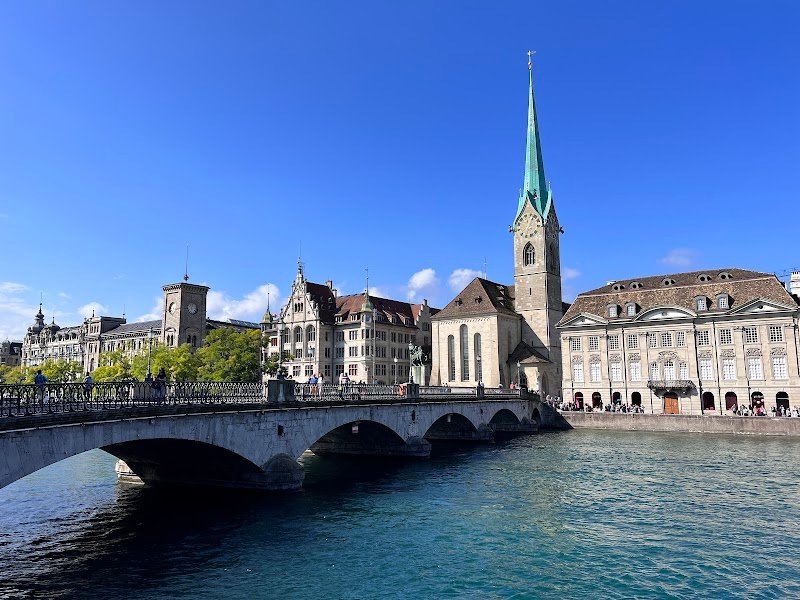
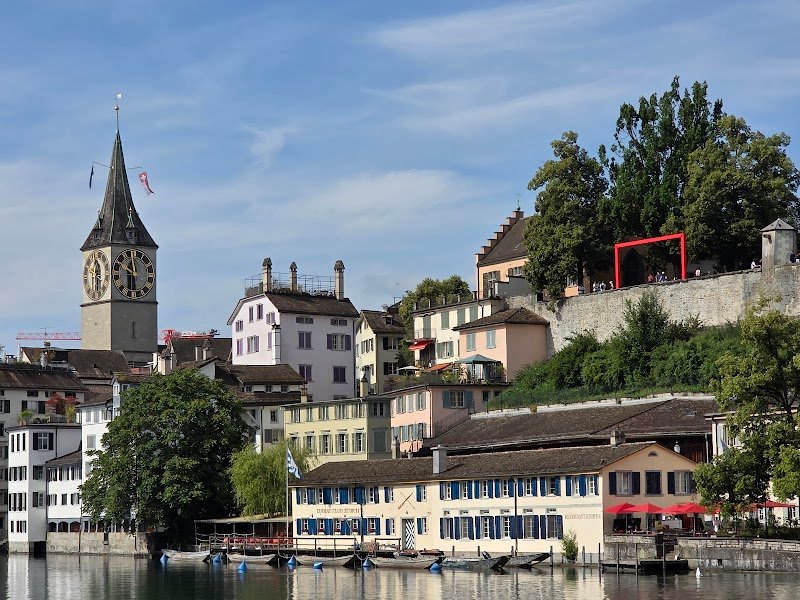
Spanning the historic heart of Zurich, Münsterbrücke serves as much more than a footbridge. Its graceful stone arches stretch across the Limmat River, linking centuries-old churches and bustling promenades. Generations have strolled its length, drawn by changing seasons and city rhythms. For travelers, Münsterbrücke offers both a gateway and a destination, blending history with daily life high above the water.

Visiting Info

Currency
Entrance fee
Free
Hours
Opening hours
Monday: Open 24 hours
Tuesday: Open 24 hours
Wednesday: Open 24 hours
Thursday: Open 24 hours
Friday: Open 24 hours
Saturday: Open 24 hours
Sunday: Open 24 hours

Contact Information

Location
Address
Münsterbrücke 8001, 8001 Zürich, Switzerland

Planning your visit

Thoughtful planning ensures a rewarding visit to Münsterbrücke, whether for a quick look or a slow afternoon. The bridge lies at the crossroads of Zurich’s Old Town, close to public transport and popular walking routes. Mornings bring a peaceful energy, while late afternoons draw more crowds and local street performers. Although the bridge is free to access, nearby attractions sometimes have entry fees. Expect lively foot traffic during weekends and summer evenings, but quieter moments at sunrise or on weekdays allow for more relaxed exploration.

  • Best time to visit: Early morning or evening light, spring through fall for mild weather and fewer crowds.
  • How to get there: Tram stops at Helmhaus or Rathaus put visitors within a two-minute walk; bicycle stations and parking are also nearby.
  • Accessibility: Flat stone walkways make Münsterbrücke easily navigable for strollers and wheelchairs, though some connecting streets are cobbled.
  • Average visit duration: 30 to 60 minutes for the bridge itself; longer if combining with nearby sights or riverside cafés.
Must see stuff

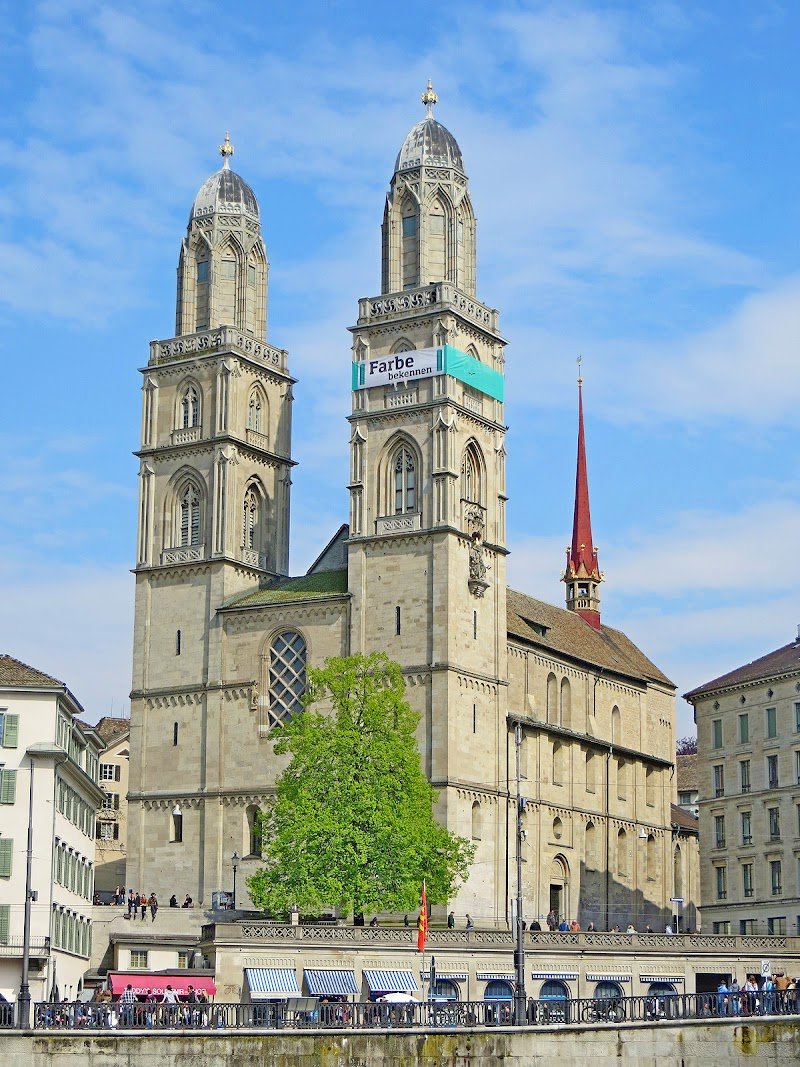
No visit to Münsterbrücke is complete without pausing to take in the sweep of Zurich’s skyline reflected in the Limmat. Framed by towering spires, the bridge offers unmatched views toward both Grossmünster and Fraumünster—two of the city’s most iconic churches. Musicians often fill the air with soft notes, while local artists draw portraits on the riverwalk. In spring, market stalls sometimes cluster at bridge ends, selling handmade crafts or fresh flowers. Beyond the obvious, small stairways at either side lead to intimate banks where residents read or picnic. Details matter here: time-worn stones, intricate lamp posts, and historical plaques recall centuries of civic life.

  • Key sights or features: Panoramic views of both Grossmünster and Fraumünster, picturesque arches, and elegantly carved balustrades.
  • Unique experiences: Watch the sunrise with coffee in hand, join a local walking tour for hidden history, or sit riverside to feed friendly ducks.
  • Photo-worthy locations: Center of the bridge for skyline panoramas, east-facing side at golden hour, and the landing near Helmhaus for lively street scenes.
  • Cultural or historical facts: Completed in 1838, Münsterbrücke once divided tradespeople and merchants; today, it connects instead of separates, standing as a symbol of modern unity in Zurich.

Tips for your visit

With the right approach, Münsterbrücke reveals both comfort and a little local magic. Early risers encounter city joggers and migrating swans before tour groups appear. Evenings invite musicians who perform for spare coins under antique lamps. The bridge lacks shelter, so rain or strong sun may challenge comfort—preparation pays off. While photography is welcome, cyclists weaving between crowds sometimes catch visitors by surprise. Politeness goes far on city bridges; stopping in narrow sections can block the steady flow of both commuters and explorers. A short detour to nearby cafés or small shops can add another layer to the experience.

  • Best times to avoid crowds: Sunrise or just before sunset during weekdays.
  • What to bring: Water bottle, light jacket, and a camera; comfortable shoes make cobblestone streets much easier to manage.
  • Local etiquette or rules: Allow space for passing cyclists, avoid lingering too long at the busiest chokepoints, and greet street performers if pausing.
  • Safety or comfort advice: Mind wet stones after rain; in winter, watch for icy patches. For families with young children, riverbanks below have safer spots to pause and play.
Münsterbrücke – Tickets, Hours & Visitor Guide