china, beijing, bridge, marco polo bridge, lugou bridge

Marco Polo Bridge

Beijing, China
i

china, beijing, bridge, marco polo bridge, lugou bridge

Photo by LoggaWiggler

Just outside Beijing, history lingers where the modern city melts away into quiet riverside suburbs. Marco Polo Bridge, also known as Lugou Bridge, stands as a reminder of centuries past, its ancient stone arches surviving dynasties, invasions, and shifting times. Today, travelers strolling the bridge can sense the echoes of poems and battles, finding both beauty and significance underfoot at every step.

Visiting Info

Currency
Entrance fee
20 CNY

Contact Information

Location
Address
V629+3JW, Fengtai District, China, 100165

Planning your visit

Visiting Marco Polo Bridge requires just a little foresight. Located about 15 kilometers from Beijing’s city center, the site is surprisingly easy to reach by public transit or taxi. Weekends, especially during spring and autumn, bring more visitors, but patience rewards anyone who comes during early mornings or late afternoons. Ticketing is straightforward at the main entrance, with minimal wait times on regular weekdays. The riverside area is peaceful, making this landmark suitable for all ages, though the many stone steps might challenge some visitors.

  • Best time to visit: Weekdays, especially in spring (April-May) or fall (September-October). Arrive early morning or late afternoon for best light and fewer crowds.
  • How to get there: Take Line 14 of the Beijing Metro to Dawayao Station, then transfer to a short taxi ride; buses and rideshares are also available.
  • Accessibility: Stone steps abound, which may be tricky for wheelchair users or those with strollers, but families and seniors often visit at a gentle pace.
  • Average visit duration: 1–2 hours, including a relaxed walk over the bridge and time for photos or a snack nearby.

Must see stuff

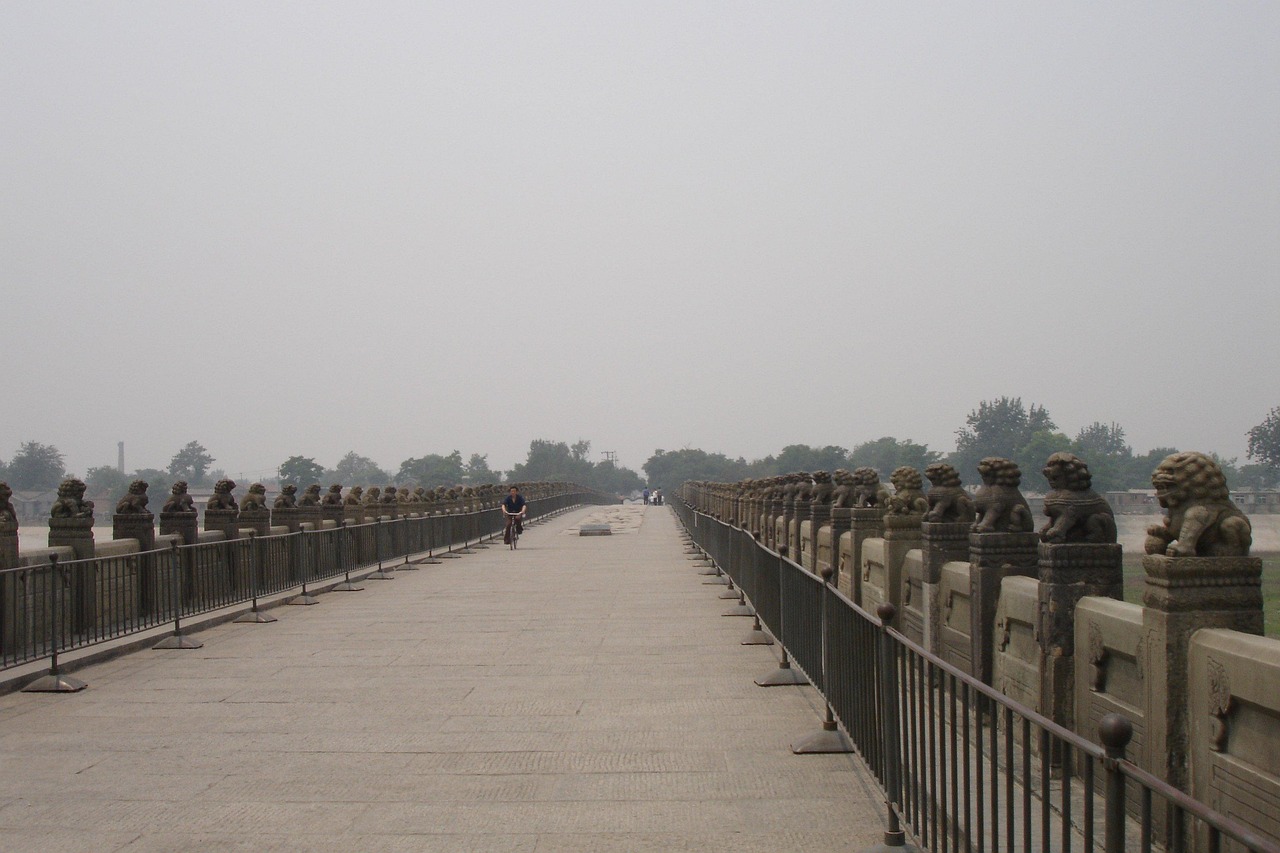
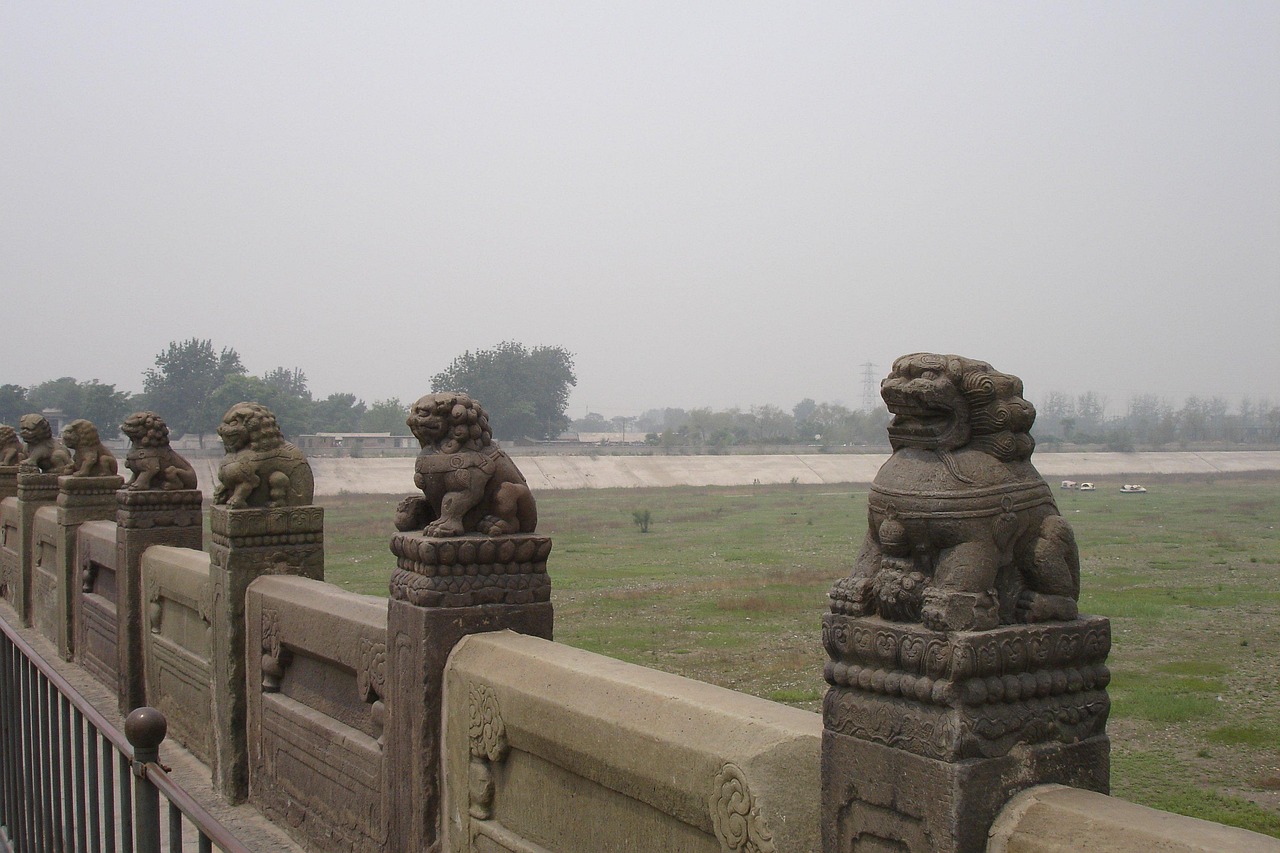
Marco Polo Bridge offers more than a crossing of the Yongding River; it gives a window into China’s enduring past. The bridge’s 11 slanted arches and more than 500 unique stone lions spark lively scavenger hunts as visitors count the differences. Don’t miss the riverside walk, which provides quiet views of traditional architecture and local life. To better understand the importance of this place, explore the nearby Lugouqiao Museum, which covers both the bridge's architectural wonders and its role in modern history.

  • Key sights or features: The ancient stone lions lining the bridge, the quaint watchtowers at either end, and panoramic river views.
  • Unique experiences: Join a guided English-language tour to hear legendary tales, or try to spot rare lion designs—no two look exactly alike.
  • Photo-worthy locations: Sunrise and sunset from mid-bridge, riverbanks in soft golden light, and the view with the watchtower as a backdrop.
  • Cultural or historical facts: The bridge, built during the Jin Dynasty, witnessed the start of the Marco Polo Bridge Incident in 1937—a pivotal moment in modern Chinese history.

Tips for your visit

With clear skies, the bridge area can grow warm in midday, though shade from trees and cool river breezes help. Keep belongings close, mainly during crowded festival weekends, even though the atmosphere generally feels relaxed and safe. Comfortable shoes remain a must, given the many uneven stones. After a walk, small noodle shops and fruit vendors just beyond the bridge offer a glimpse of daily neighborhood life—tempting for a quick, authentic meal. And as with many revered sites in China, respect for the bridge’s age and importance goes a long way.

  • Best times to avoid crowds: Arrive before 10 a.m. or after 4 p.m., and consider visiting outside public holidays.
  • What to bring: Refillable water bottle, camera, sunhat, and walking shoes.
  • Local etiquette or rules: Avoid climbing on bridge lions or carving initials; photography is welcomed, but drone use is restricted.
  • Safety or comfort advice: Watch for slippery stones after rain, and pack some cash for snacks from local vendors as cards are not always accepted.

Similar Attractions