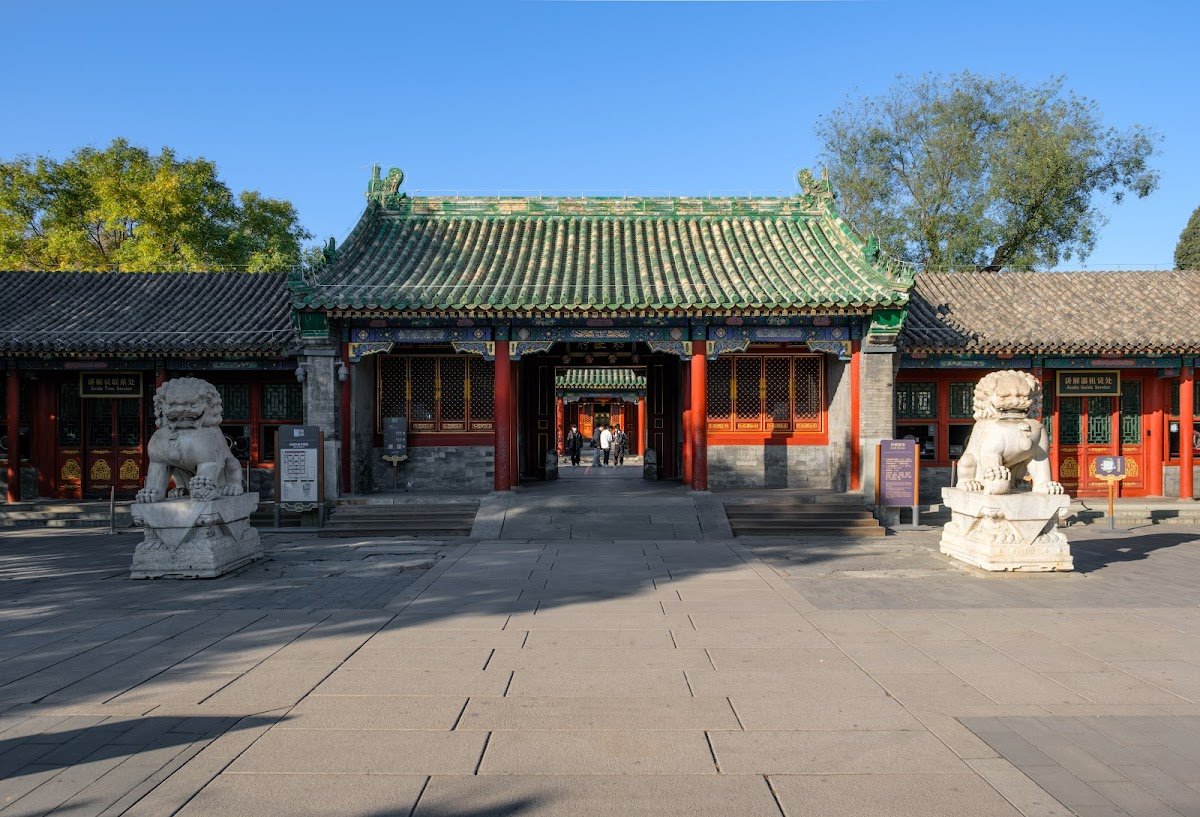
Prince Gong Mansion

Prince Gong’s Mansion

Beijing, China
i

Stately pine trees, curling gray rooftiles, and tranquil rock gardens welcome all who enter Prince Gong’s Mansion. This centuries-old palace, rich with intrigue and artistry, stands as a living piece of China’s imperial history. Visitors find much more than weathered halls—hidden nooks, bustling cultural events, and stories layered in every stone make each return special. For families, solo travelers, or curious explorers, this storied mansion promises both discovery and quiet moments away from city noise.

Visiting Info

Currency
Entrance fee
10 USD

Contact Information

Location
Address
17 Qian Hai Xi Jie, Xi Cheng Qu, Bei Jing Shi, China, 100035

Planning your Visit

Planning a trip to Prince Gong’s Mansion calls for just a little preparation for a more memorable experience. The site, increasingly popular with both tourists and locals, can feel crowded—especially during high season. Early arrivals or weekday visits reward patient guests with calmer paths, easy photo ops, and a gentler pace. The mansion sits in a lively old Beijing neighborhood, yet access is fairly straightforward by public transit.

  • Best time to visit: Late spring through autumn, weekdays in the morning, or just before closing for fewer crowds.
  • How to get there: Take Line 6 of the Beijing Subway and get off at Beihai North Station. A short walk south leads directly to the main gate. Taxis also offer convenient access but may struggle with traffic near rush hour.
  • Accessibility: The main paths and several halls support wheelchairs and strollers, though some older sections have steps or uneven stones.
  • Average visit duration: Allow at least 2 hours, but half a day gives enough time to enjoy gardens, teahouses, and exhibitions at a relaxed pace.

Must-see Stuff

Though the mansion covers a spacious area, not every corner can be absorbed in one visit. Start in the main courtyards, where ancient cypress trees shade elegant halls once reserved for nobility. Step into the exquisite gardens, where winding paths, rockeries, and shining ponds offer scenes fit for a painting. Beyond these classics, quiet teahouses and rotating folk opera shows lend deeper flavor. Don’t overlook small museums within the compound, revealing the home’s secrets through artifacts and detailed models.

  • Key sights or features: Grand Opera House, Western-style Yinde Hall, lush Lotus Pond Garden, Whispering Pines Pavilion.
  • Unique experiences: A live Peking Opera performance in the on-site theater (check schedules), hand-painted fan workshops, and quiet tea breaks in the garden’s pavilion.
  • Photo-worthy locations: The reflection bridges over the lotus ponds, moon gates near the courtyards, and the ornate Main Hall steps.
  • Cultural or historical facts: Built in 1777, the mansion became the home of He Shen, China’s most infamous official, and later Prince Gong. Its many doors and hidden chambers reflect both imperial grandeur and private drama.

Tips for your Visit

Some thoughtful planning makes Prince Gong’s Mansion much more enjoyable. Vendors nearby offer snacks, but inside choices remain limited and a little pricey. Paths, though mostly flat, can get slippery after rain. Large tour groups often arrive mid-morning, so beating the rush can transform the experience. Visitors do find English-language signs, but more information is available in Chinese, making a bilingual guide or phone translation app very useful.

  • Best times to avoid crowds: Arrive near opening or in the late afternoon. Winter months see fewer visitors overall.
  • What to bring: Comfortable walking shoes, a refillable water bottle, sunscreen in summer, and a camera with plenty of memory.
  • Local etiquette or rules: Speak softly in garden and theater areas, do not climb on rocks or sculptures, and always follow marked paths.
  • Safety or comfort advice: Watch for uneven flagstones, bring an umbrella for shade or sudden rain, and secure belongings in busy entry areas.

Similar Attractions