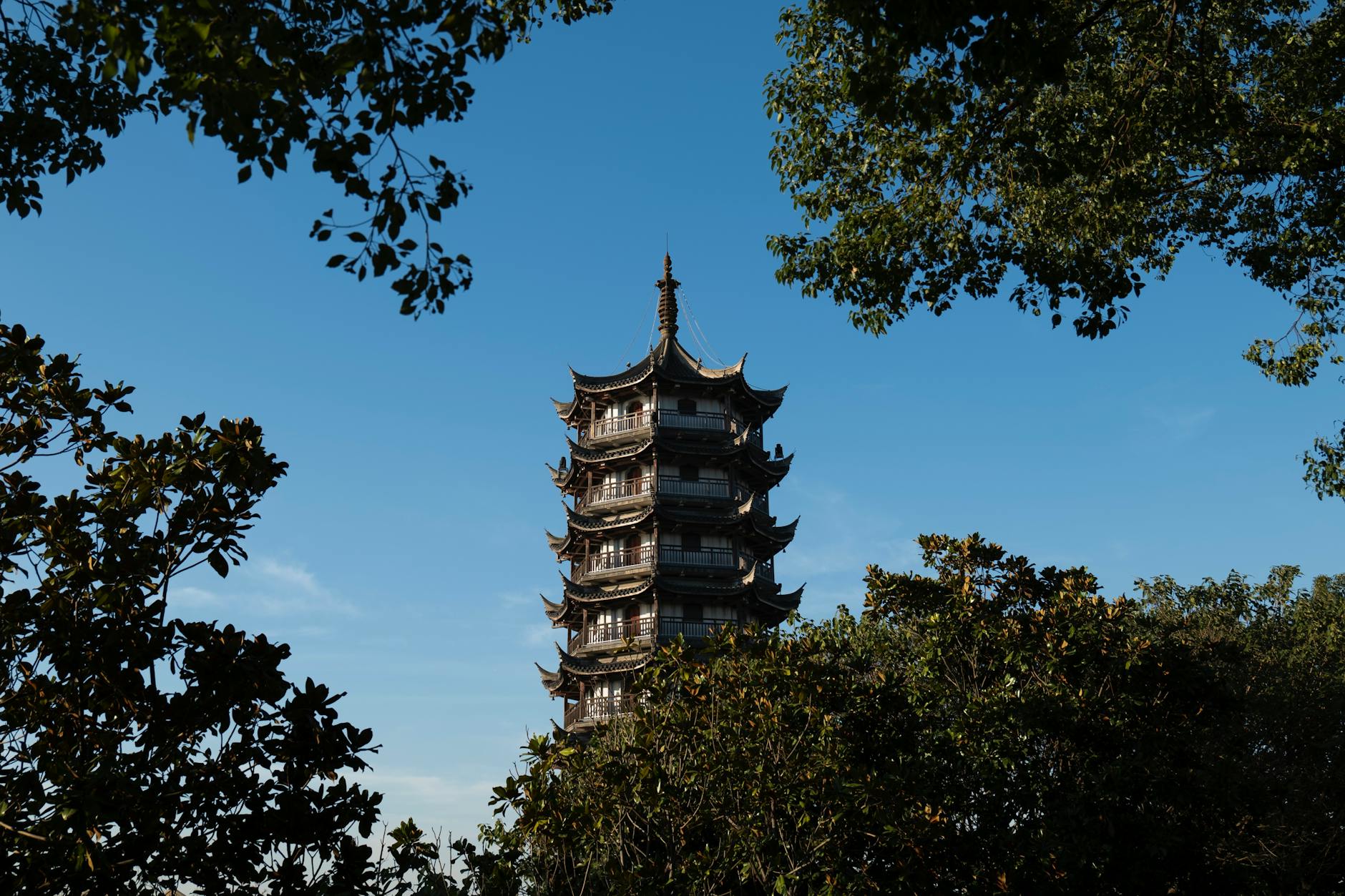
Scenic view of Longhua Pagoda in Shanghai framed by trees under a clear blue sky.
Beautiful view of Longhua Temple

Longhua Temple

Shanghai, China
i

Scenic view of Longhua Pagoda in Shanghai framed by trees under a clear blue sky.

Photo by Weichen Tian

Longhua Temple stands as one of the oldest and most respected Buddhist temples in China. A place where tradition breathes through ancient halls, shaded courtyards, and the scent of incense wafting through the air. Here, travelers find quiet corners, timeworn statues, and a world that offers a window into the spiritual life of the past and present—all while being nestled in the midst of a lively urban environment.

Visiting Info

Currency
Entrance fee
10 CNY

Contact Information

Location
Address
2853 Longhua Rd, Xuhui District, Shanghai, China, 200232

Planning Your Visit

Few places reward careful planning like Longhua Temple. Crowds ebb and flow with the seasons, yet early mornings tend to be calm compared to weekends or festival days. The walk from Longhua Road metro station brings visitors straight to the ornate entrance gates. Travelers of all ages find something to appreciate here, though wide stone steps and busy courtyards can challenge stroller-pushers or those who rely on wheelchairs. Most visitors spend about two hours exploring, but those with an eye for detail often linger longer.

  • Best time to visit: Spring for cherry blossoms; weekdays early in the morning for fewer crowds
  • How to get there: Take Metro Line 11 or 12 to Longhua Station, then follow signs north; taxis are convenient but the area can be congested by car
  • Accessibility: Most main areas accessible for families, but some zones have stairs and uneven paths
  • Average visit duration: 1.5-2 hours

Must See Stuff

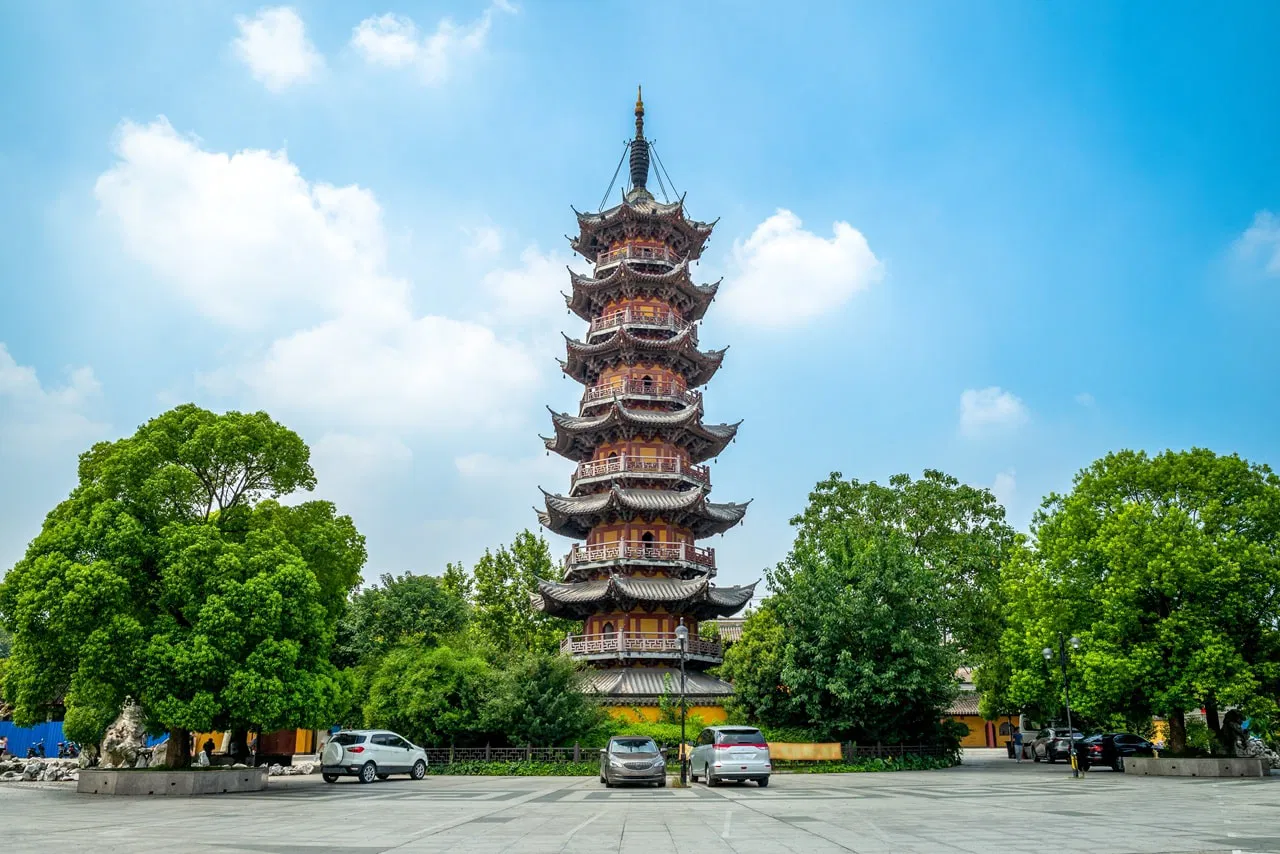
For many, the highlights begin at the towering Longhua Pagoda—a symbol that draws eyes upward from anywhere in the complex. The main halls showcase vibrant offerings, golden Buddha statues, and intricate relics charting over 1,700 years of history. Visitors feel the quiet weight of centuries in these spaces, especially on days when chanting floats through the air. Elsewhere, side gardens brim with azaleas and shaded walkways, rewarding those who wander off the obvious routes. Less known but memorable, the ancient bell—rung during major ceremonies—offers travelers a direct connection to tradition. Cameras come out often, especially near cherry trees that turn the grounds pink each spring. Signs in Chinese and English explain the history, so curiosity is well fed throughout the visit.

  • Key sights: Longhua Pagoda, Mahavira Hall, Bell Tower, historic statues, Buddha Hall
  • Unique experiences: Hearing the giant bronze bell, watching prayer rituals, exploring the peaceful side gardens
  • Photo-worthy locations: Pagoda at sunrise, cherry blossoms in bloom, incense smoke drifting in sunbeams
  • Cultural insight: Site of festivals and rituals since at least the Song Dynasty; still active and revered by the local community

Tips for Your Visit

Successful visits to Longhua Temple balance respect with curiosity. Early arrivals enjoy softer light and fewer people. Water bottles and walking shoes lighten the day, as stone pathways can stretch between shaded alcoves and main halls. Respectful dress—shoulders and knees covered—honors ongoing religious activity. Photography is possible almost everywhere, but be mindful and watch for signs. During festivals, crowds can get busy, so patience becomes its own reward. The temple sometimes closes parts of the grounds for ceremonies, so checking ahead can save a detour.

  • Best times: Arrive at opening for quiet; avoid weekends if possible
  • What to bring: Comfortable shoes, camera (extra battery), refillable water bottle
  • Etiquette: Speak softly, avoid flash photos inside halls, do not touch the statues
  • Safety and comfort: Watch for uneven steps; benches and shaded areas offer rest