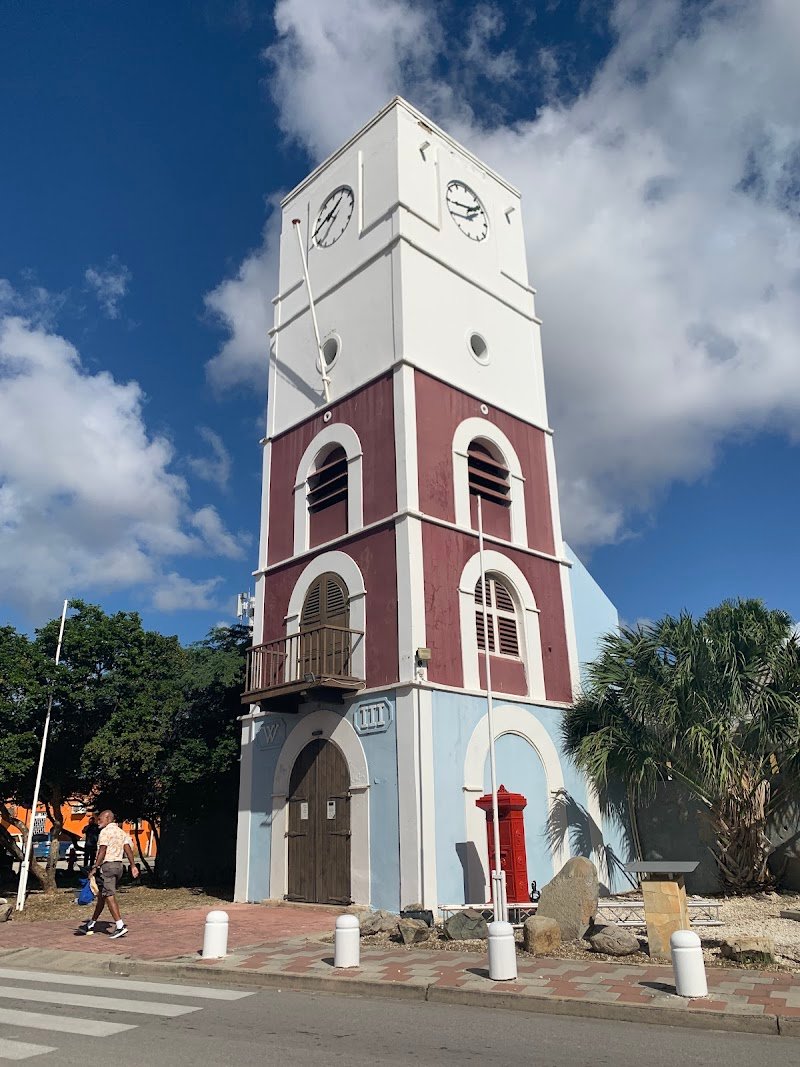
Google Places photo

Museo Histórico Aruba

Oranjestad, Aruba
i

Google Places photo

Photo by Rossi Rossi

Fort Zoutman, the oldest building in Aruba, shelters a treasure trove of local history at the Museo Histórico Aruba. Its thick coral walls and timeworn towers hint at centuries of stories: colonial clashes, Caribbean trade, and the spirited life of Aruban people. To stand inside these courtyards is to hear whispers of the island’s past—a living conversation that colors every cobblestone with meaning.

Visiting Info

Currency
Entrance fee
5 USD
Hours
Opening hours
Monday: Closed
Tuesday: 9:00 AM – 5:00 PM, 6:00 – 8:30 PM
Wednesday: 9:00 AM – 6:00 PM
Thursday: 9:00 AM – 6:00 PM
Friday: 9:00 AM – 6:00 PM
Saturday: 10:00 AM – 2:00 PM
Sunday: Closed

Contact Information

Location
Address
Museo Arubano, Zoutmanstraat, Oranjestad, Aruba

Planning your visit

Time your journey to Museo Histórico Aruba with a bit of thought for the weather and the flow of visitors. Aruba’s gentle trade winds mean most days feel balmy, yet mornings offer cooler air and fewer groups wandering the fort’s halls. Oranjestad, the capital, serves as a convenient starting point. Local buses stop nearby, and taxis offer hassle-free access from all major hotels. Advance tickets speed up entry, though the fort rarely feels crowded except during major events like the Bon Bini Festival. The museum provides ramps and wide doorways for all ages and mobility levels. Plan enough time to wander both the main exhibits and the surrounding fort grounds.

  • Best time to visit: Early mornings or late afternoons; weekdays are quieter than weekends
  • How to get there: Short walk from the Oranjestad harbor, easily reached by public bus, car, or taxi
  • Accessibility: Family-friendly and wheelchair accessible, though some upper levels have steep stairs
  • Average visit duration: About 1 to 2 hours covers all main areas and exhibits

Must see stuff

Highlights of Museo Histórico Aruba blend military grit with snapshots of everyday island culture. The sturdy King’s Tower, once used to spot encroaching ships, now offers panoramic island views. Original prison cells, vintage uniforms, and antique weaponry fill the halls, but quieter details like handwritten letters or humble domestic tools speak just as loudly. Kids love the changing exhibits—sometimes detailing the island’s gold rush, sometimes focusing on seafaring or carnival costumes. Out in the courtyard, locals gather for music and dance, especially during weekly festivals. Bring a camera at sunset; the aged stone glows in deep gold, framing Aruba’s skyline in memorable light.

  • Key sights or features: King’s Tower lookout, antique cannons, colonial-era prison cells
  • Unique experiences: Guided history tours, Bon Bini Festival performances with folk music and dancers
  • Photo-worthy locations: Stone archways in the inner courtyard, fortress battlements at dusk
  • Cultural or historical facts: Built in 1798, the fort protected Arubans through pirates, soldiers, and storms; the museum preserves personal stories, artifacts, and local art

Tips for your visit

To make the most of your trip, start early or late in the day to dodge larger tour groups and the tropical sun. Exhibits cycle through both English and Dutch, and guides field questions with local warmth—don’t hesitate to ask for stories not on the placards. Families may want to bring water bottles, as vending machines sometimes run empty, and old stone floors mean sturdy shoes work best. While touching artifacts is off-limits, children can try traditional games in the courtyard during festivals. Photography is encouraged outdoors, but flash should be avoided inside the exhibit halls out of respect for delicate artifacts. The fort’s towers can get windy, so a light jacket helps after sunset.

  • Best times to avoid crowds: Early weekday mornings or after 3 pm; skip cruise ship arrival times
  • What to bring: Bottled water, sunhat, camera, cushioned walking shoes, light jacket for breezy evenings
  • Local etiquette or rules: No flash photography indoors, respect roped-off areas, applause welcomed during local performances
  • Safety or comfort advice: Mind uneven floors and tight stairways; museum staff offer help as needed

Similar Attractions